Why Food Powder Packaging Needs Automation

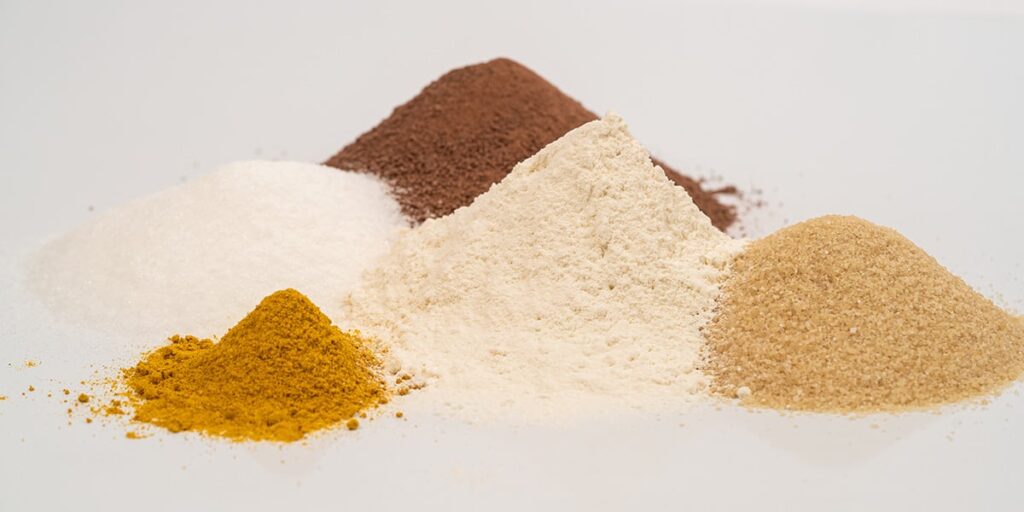
Packaging food powders such as flour, starch, sugar, cocoa, milk powder, and protein blends presents unique challenges. These products are dusty, sensitive to contamination, and often produced in high volumes where consistency and hygiene are critical.

Manual valve bag placement increases the risk of:

  • Product contamination

  • Inconsistent bag placement and fill accuracy

  • Operator exposure to airborne powders

  • Regulatory non-compliance

This is why manufacturers are increasingly adopting automatic bag placers for packing machines — specifically robotic valve bag placers — to modernize food powder packaging lines.

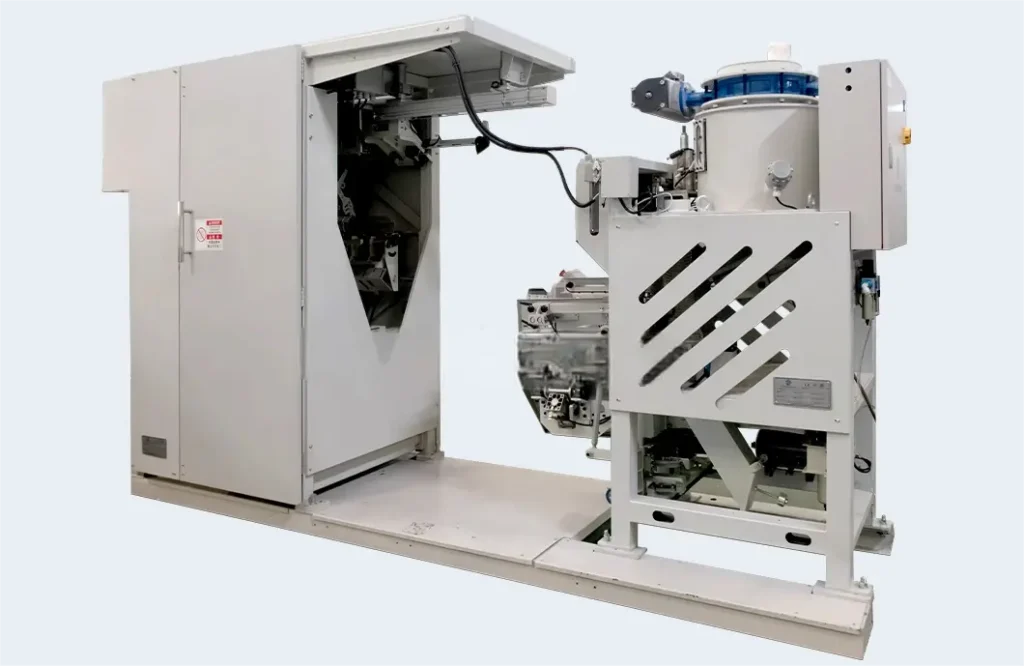
What Is a Valve Bag Placer in Food Packaging?

A valve bag placer is an automated system that:

  • Picks empty valve bags from a magazine

  • Pre-opens the valve mouth

  • Aligns the bag with the filling spout

  • Places and holds the bag for filling

In food powder packaging, this automation minimizes human contact with packaging materials and ensures every bag is placed accurately and hygienically.

Key Hygiene & Sanitation Benefits

1. Reduced Human Contact

Manual handling is one of the biggest contamination risks in food packaging. A robotic valve bag placer removes operators from direct contact with:

  • Bag interiors
  • Filling spouts
  • Product dust zones


2. Cleaner, Dust-Controlled Operation

Food powders easily become airborne during manual bag hanging. Automated placement ensures:

  • Precise bag seating on spouts

  • Reduced product blowback

  • Cleaner floors, equipment, and air

Less dust also means less product loss and easier sanitation between shifts.


3. Consistent Bag Placement = Consistent Quality

Incorrect bag placement can lead to:

  • Poor valve sealing

  • Underfilled or overfilled bags

  • Product leakage

Automatic bag placers deliver repeatable accuracy, improving:

  • Fill weight consistency

  • Seal integrity

  • Finished package appearance


Process Flow in Food Powder Applications

Automatic Food Powder Bagging Process:

  1. Bag Magazine – Clean valve bags are stacked and staged

  2. Pick & Open – Suction pads pick and pre-open the valve

  3. Spout Alignment – Sensors ensure precise positioning

  4. Place & Hold – Bag is stabilized for filling

  5. Release for Filling – Powder dosing begins immediately

This closed, controlled process is ideal for hygienic packaging zones.

Case Study: Flour Packaging Line Automation

Industry: Food ingredients
Product: Wheat flour (25 kg valve bags)
Challenge: Dust contamination and inconsistent bag placement

Solution:
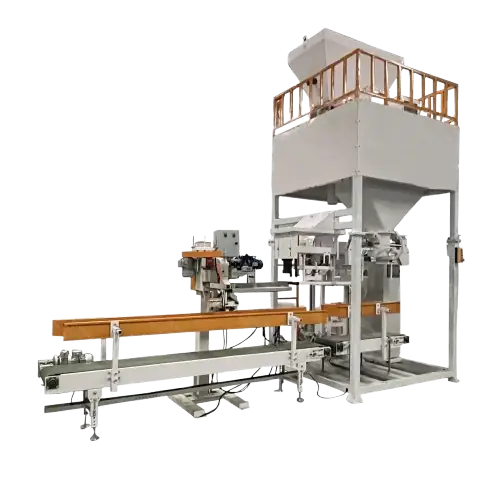
A mid-size flour mill installed a robotic valve bag placer integrated with their existing valve bag filling machine.

Results:

  • 40% reduction in airborne flour dust

  • Improved sanitation audit scores

  • Higher throughput with fewer stoppages

  • Operators redeployed from bag hanging to quality checks

The upgrade paid for itself in under 16 months, driven by labor savings and reduced product waste.

Why Food Manufacturers Are Switching to Automatic Bag Placers

Food producers face growing pressure from:

  • Stricter hygiene regulations

  • Rising labor costs

  • Higher customer expectations

An automatic bag placer for food powder packaging delivers:

  • Better sanitation

  • Higher productivity

  • Safer working conditions

  • Scalable automation for future growth

It also creates a foundation for end-of-line automation, including conveyors, checkweighers, and palletizers.

Integration with Existing Food Packaging Lines

Modern valve bag placers are designed for:

  • Easy retrofit on existing fillers

  • Stainless-steel or food-grade finishes

  • PLC/HMI integration for recipe control

  • Fast changeover between bag sizes

This makes automation achievable without replacing your entire packing line.

Conclusion

Automatic bagging systems are redefining how cement producers operate — increasing output, improving safety, and ensuring cleaner working environments.

By integrating a Robotic Valve Bag Placer, cement manufacturers can achieve faster, safer, and more sustainable packaging operations — one valve bag at a time.

Featured Thinking

Single Weigher vs Dual Weigher Bagging Machine

Open-Mouth vs Valve Bagging Machine: Key Differences Explained

What Is an Open-Mouth Bagging Machine and How Does It Work?