
Heavy-duty hydraulic hammer for open die and free forging production.
Fully Hydraulic Open Die Forging Hammer
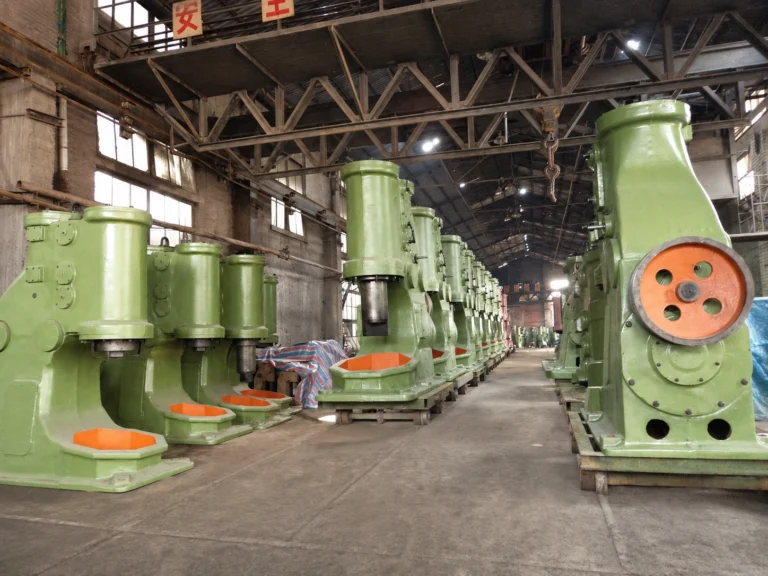
Fully hydraulic open die forging hammers are designed for powerful, controlled and efficient forging of shafts, rings, flanges, gear blanks and heavy metal components.
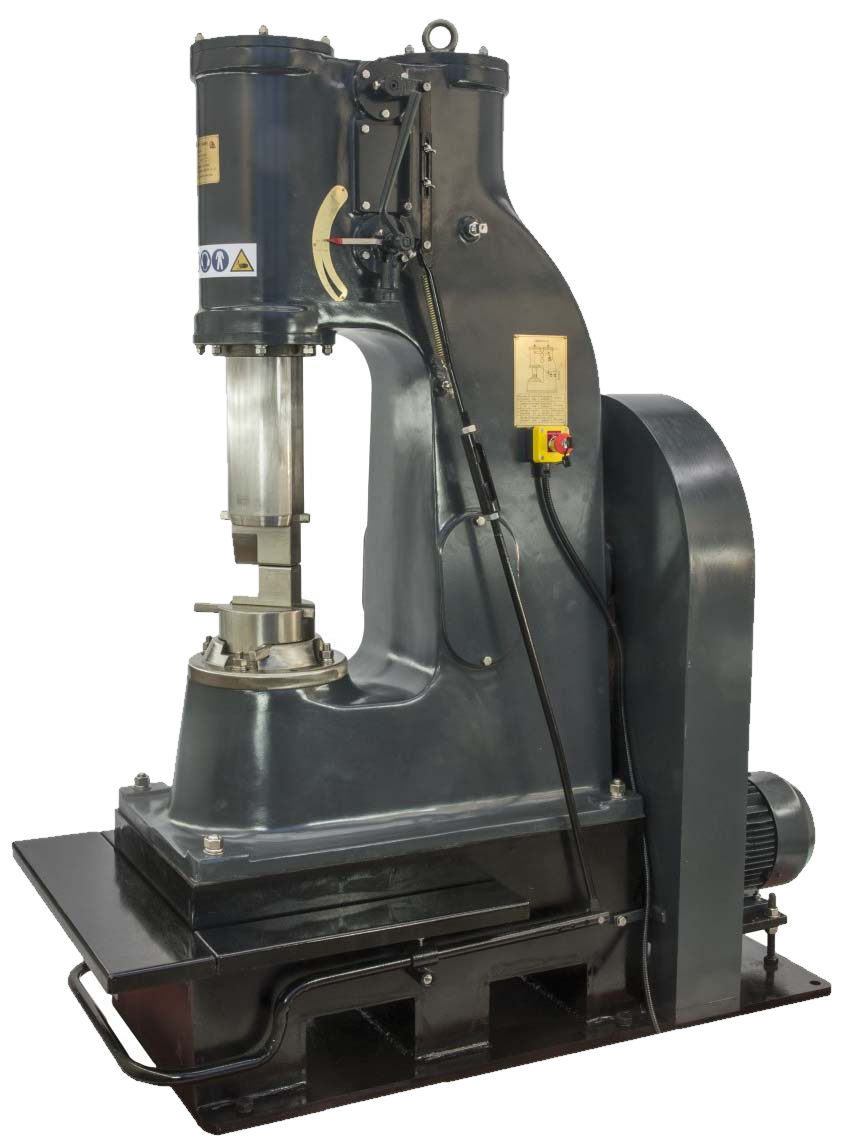
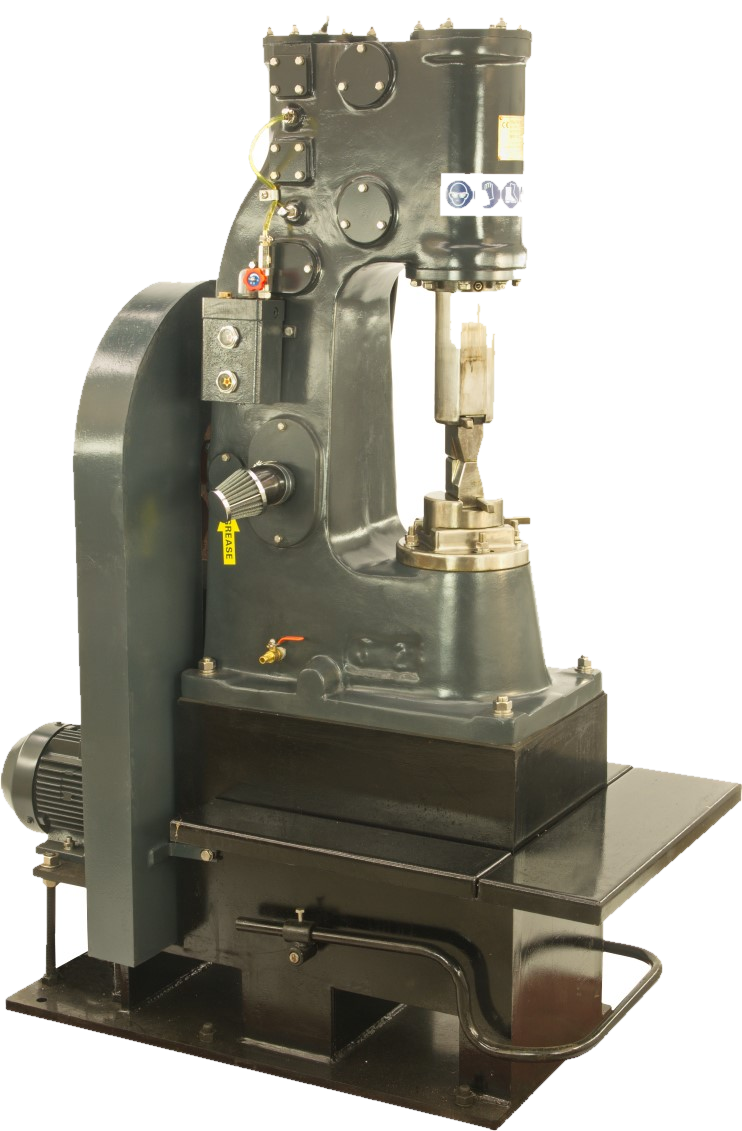

Fully Hydraulic Open Die Forging Hammer for Heavy Forging Workshops
A fully hydraulic open die forging hammer is built for workshops that need strong impact energy, fast response and reliable operation in demanding forging conditions. The WM series is suitable for free forging processes where heated billets, ingots or preforms are shaped between open dies using repeated controlled blows.
This machine is commonly used for producing medium and large forgings, including shaft forgings, discs, rings, flanges, gear blanks, blocks, stepped parts and general forged components. It is suitable for carbon steel, alloy steel, stainless steel and other forgeable materials used in industrial production.
Unlike traditional steam or pneumatic systems, the hammer uses hydraulic power to control the striking and return movement. This helps improve operating efficiency, reduce dependence on external air systems and provide smoother control during open die forging work.
Built for Open Die Forging Applications
The WM series hydraulic open die forging hammer is suitable for forging plants, steel processing workshops, heavy machinery manufacturers, tool producers and component suppliers that need flexible forming capacity. It can be used as a standalone forging machine or matched with auxiliary equipment such as forging manipulators, heating furnaces, charging machines and material handling systems.
Typical applications include shaft forging, bar drawing, upsetting, elongating, punching, flattening, ring preforming, flange forging and rough shaping before machining. For higher productivity, the hammer can be integrated into an open die forging line with handling and heating equipment selected according to billet size, material grade and production target.
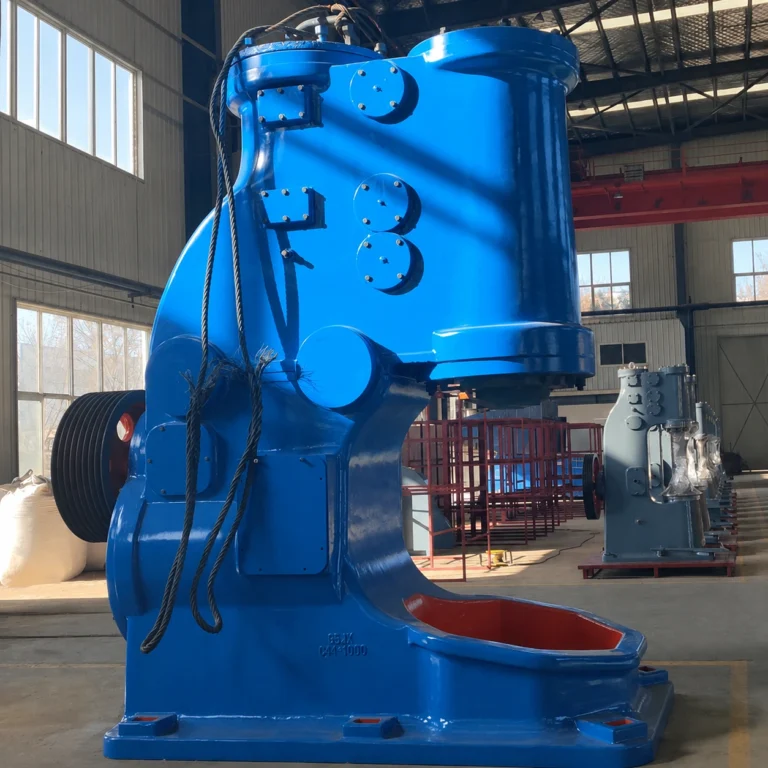
Features
Fully Hydraulic Drive System
Strong Open Die Forging Capability
Multiple Structural Options
Fast Blow Frequency
Controlled Hammer Stroke
Heavy-Duty Frame Construction
Operator-Friendly Control
Suitable for Production Lines
Custom Project Configuration
Suitable Forging Processes
| Forging Process | Description | Typical Use |
|---|---|---|
| Drawing-out | Reduces the cross-section of heated metal and increases its length. | Bars, shafts, tools and elongated forged parts |
| Upsetting | Compresses the heated workpiece to increase its cross-section or form a thicker section. | Tool ends, bolt-style heads, short thick sections and local forming |
| Punching | Creates holes or openings in heated metal using suitable punching tools. | Tool eyes, brackets, links, rings and hardware parts |
| Chiselling | Cuts, separates or marks heated metal using chisel-type tooling. | Hot cutting, splitting, shaping and preparation work |
| Forge Welding | Joins heated metal surfaces together using pressure and repeated hammer impact. | Tool making, repair work, blacksmith forging and joined components |
| Bending | Forms heated metal into angles, curves or required profiles. | Hooks, brackets, handles, rings and shaped components |
| Twisting | Twists heated bars or sections to create functional or decorative forms. | Decorative ironwork, handles, tools and custom forged parts |
| Open Die Forging | Shapes heated metal between flat or simple dies without fully enclosing the workpiece. | Free forging, repair work, shafts, bars and small-batch forged parts |
| Flattening | Creates flatter surfaces or prepares the workpiece for further forming. | Plates, blades, tools, brackets and general shaping |
| Hot Cutting | Cuts heated bars, billets or forged sections using cutting dies or hot cutting tools. | Billet preparation, trimming and separating forged parts |
| Tool Forging | Forms heated metal into working tools or tool blanks through repeated impact. | Chisels, punches, knives, hand tools and agricultural tools |
| Note | Core processes include drawing-out, upsetting, punching, chiselling, forge welding, bending and twisting. Other applications depend on hammer capacity, die design, workpiece size, forging temperature, material and operator requirements. | |
Common Applications
Blacksmith Forging
Open Die Forging
Tool and Hardware Manufacturing
Repair and Maintenance Workshops
Industrial Hot Metal Forming
Pneumatic Forging Hammer Working Principle
The pneumatic power hammer uses a motor-driven flywheel and crank mechanism to operate the internal pneumatic system. As the machine runs, compressed air is directed to move the hammer ram up and down.
The operator controls the forging hammer through the machine control system, usually using a hand lever or foot pedal. This allows the hammer to perform idle running, top positioning, pressing, single blows, light blows and continuous forging blows.
The forging force is created by a combination of ram weight, air pressure and ram speed. This gives the machine strong impact performance while still allowing the operator to control the hammer action during different forging stages.
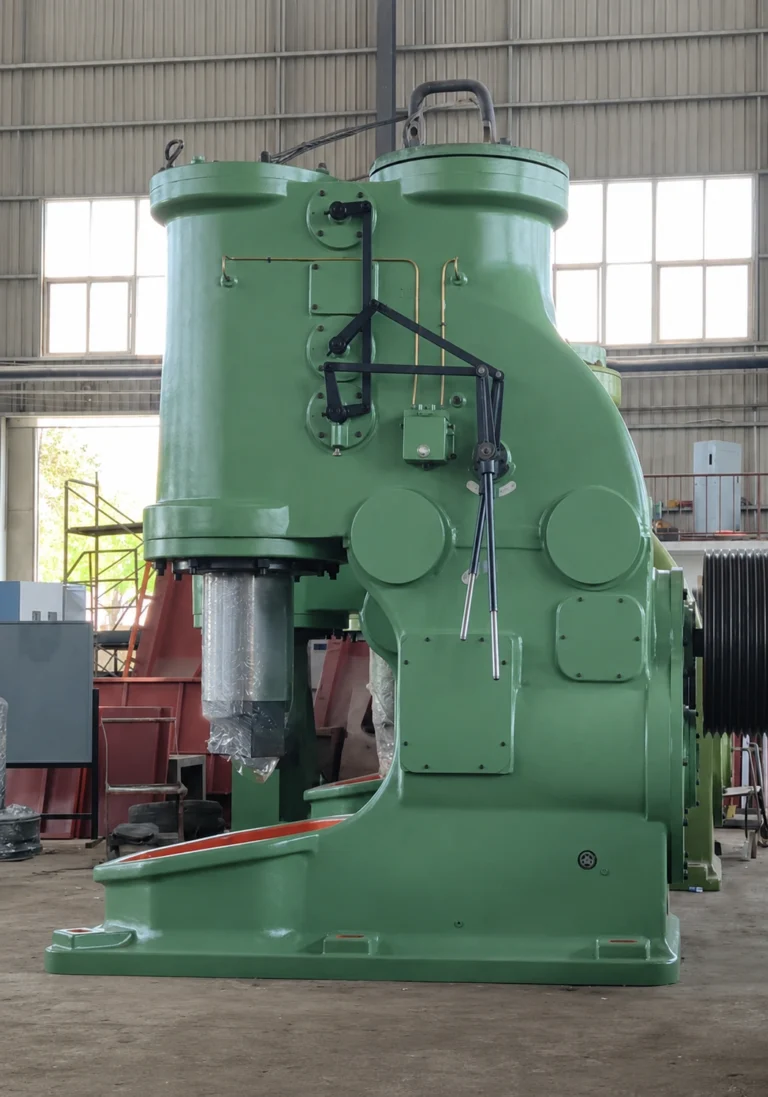
Key Benefits
Higher Forging Efficiency
Better Process Control
Wide Product Flexibility
Reduced External System Dependence
Suitable for Heavy Materials
Strong Workshop Value
Process flow
1. Material preparation
2. Workpiece Loading
3. Initial Forging
4. Controlled Shaping
5. Dimension Correction
6. Final Handling
Electric screw press technical specifications
| Specification | Unit | WM-35 | WM-70 | WM-120 | WM-140 | WM-175 | WM-210 | WM-245 | WM-280 | WM-350 | WM-420 | WM-520 | WM-630 | WM-875 |
|---|---|---|---|---|---|---|---|---|---|---|---|---|---|---|
| Blow Energy | kJ | 35 | 70 | 120 | 140 | 175 | 210 | 245 | 280 | 350 | 420 | 520 | 630 | 875 |
| Weight of Falling Part | kg | 1300 | 2650 | 4100 | 5100 | 6200 | 7500 | 8200 | 9500 | 12400 | 14400 | 16000 | 21000 | 28000 |
| Max. Stroke | mm | 1000 | 1260 | 1450 | 1500 | 1730 | 1800 | 1850 | 2150 | 2300 | 2300 | 2480 | 2600 | 2600 |
| Blow Frequency | min-1 | 60–120 | 60–120 | 60–100 | 60–100 | 50–90 | 50–90 | 50–90 | 50–90 | 50–90 | 45–80 | 40–45 | 40–45 | 40–44 |
| Main Motor Power | kW | 55 | 55 | 55 | 55 | 55 | 55 | 55 | 55 | 55 | 55 | 75 | 75 | 75 |
| Motor Number | pc | 2 | 3 | 4 | 5 | 6 | 7 | 7 | 7 | 10 | 11 | 10 | 15 | 18 |
| Distance Between Guides | mm | 460 | 550 | 630 | 710 | 760 | 890 | 890 | 900 | 980 | 1120 | 1200 | 1550 | 1650 |
| Operation Area | mm | 1800 × 1250 | 2300 × 1380 | 2700 × 1470 | 3500 × 1650 | 3700 × 1950 | 4200 × 2000 | 4200 × 2000 | 4200 × 2250 | 4700 × 2500 | 5000 × 2700 | 5000 × 2700 | 5170 × 2700 | 5170 × 2700 |
| Height of Lower Die Surface | mm | 750 | 750 | 760 | 760 | 880 | 880 | 880 | 900 | 900 | 950 | 1200 | 1200 | 1250 |
| Machine Size | mm | 3600 × 1500 × 6300 | 4500 × 1700 × 7000 | 5100 × 2300 × 7800 | 5900 × 2300 × 8000 | 6260 × 2500 × 9000 | 6740 × 2500 × 9500 | 6780 × 2600 × 9550 | 6920 × 2600 × 10000 | 7720 × 2900 × 11500 | 8380 × 2950 × 11500 | 8700 × 3000 × 12000 | 9100 × 3100 × 12700 | 9200 × 3100 × 13000 |
| Application Scope |
Forging Process: Open die forging, free forging, upsetting, drawing out, elongating, flattening, punching, bending, preforming and rough shaping Suitable Materials: Carbon steel, alloy steel, stainless steel and other forgeable metals Typical Products: Shaft forgings, ring forgings, flange forgings, gear blanks, discs, blocks, stepped shafts, heavy machinery parts and industrial forged components |
|||||||||||||
| Note | The above fully hydraulic open die forging hammer technical parameters are for reference only. Final specifications may vary depending on machine configuration, forged part size, material grade, die design, foundation requirements, automation level and project conditions. | |||||||||||||
For accurate model selection, please send your workpiece size, material, forging temperature, required process and expected production output. Wiz Machinery can help match the hammer capacity to your application.
Machine Selection Guidance
Choosing the right hydraulic open die forging hammer depends on more than blow energy alone. The correct model should be selected according to forged part weight, material grade, heating temperature, deformation ratio, operation area, required stroke, handling method and production volume.
For smaller open die forging work, a lower blow energy model may be suitable. For large shafts, rings, flanges and heavy billets, a larger machine with higher ram weight, wider guide distance and larger operation area may be required. For more efficient production, the hammer should also be matched with the correct furnace, manipulator and lifting equipment.
Suitable Forged Products
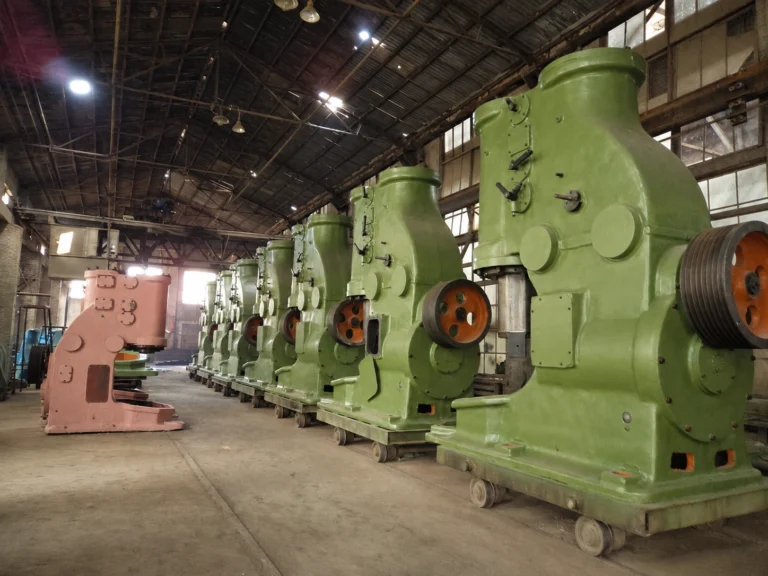
This fully hydraulic open die forging hammer can be used for a wide range of heavy forged parts where flexibility and impact energy are required. It is especially suitable for workshops producing custom forgings or different batches of industrial components.
Common forged products include:
Shaft forgings, step shafts, gear blanks, rings, flanges, discs, blocks, couplings, rollers, bars, cylinders, heavy fittings, agricultural machinery parts, engineering machinery components, mining equipment parts, railway parts and general industrial forged components.
First ever packaging machine questionnaire
Which machine do you need?
Take our quick questionnaire to discover which bagging machine fits your needs. For an exact match and pricing, a detailed quote will be required.