
Hydraulic CNC Forging Manipulator for Open Die Forging Presses and Hammers
CNC Forging Manipulator
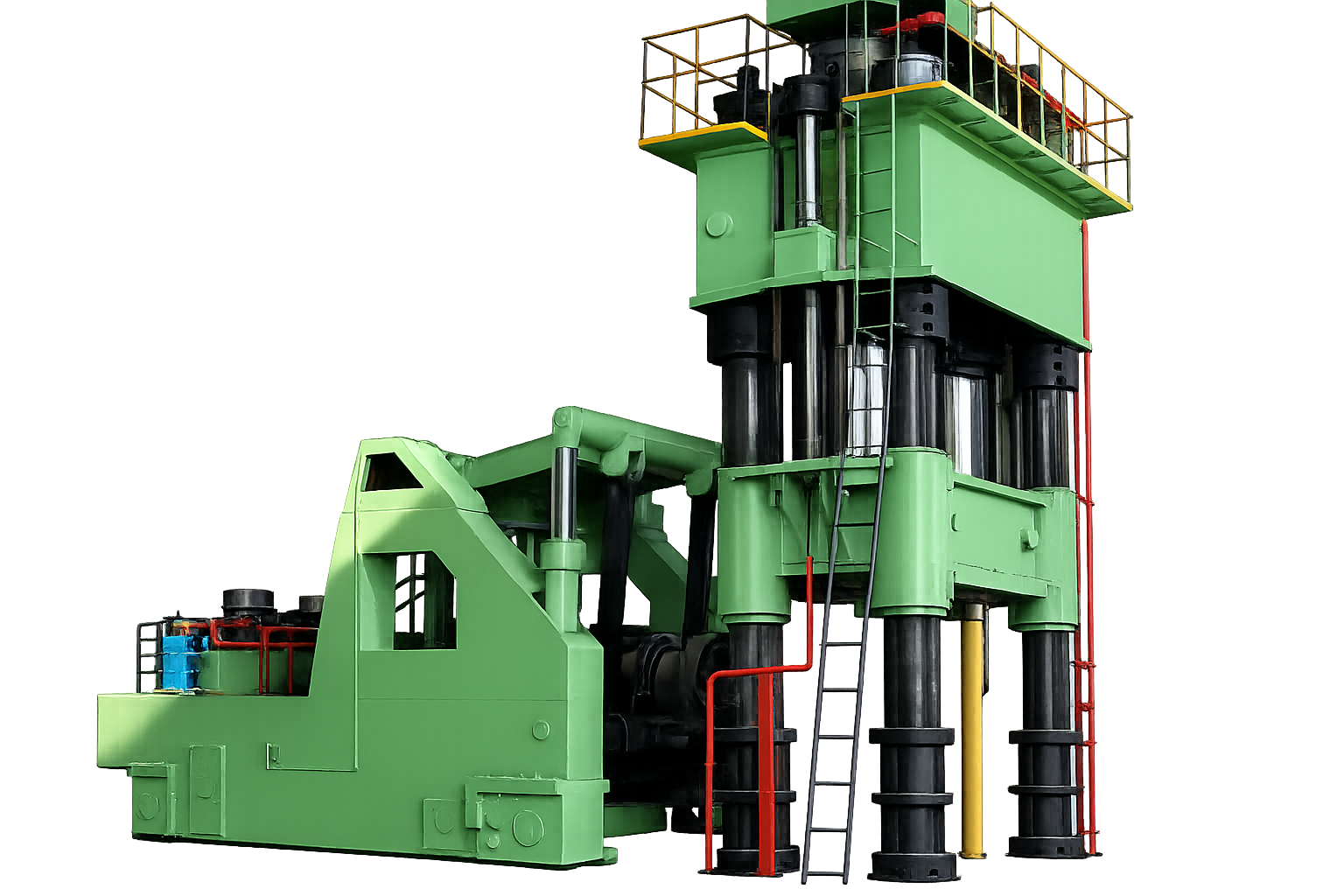
Wiz Machinery supplies CNC forging manipulators for handling, clamping, rotating, lifting and feeding hot billets, ingots and shaft forgings during open die forging.
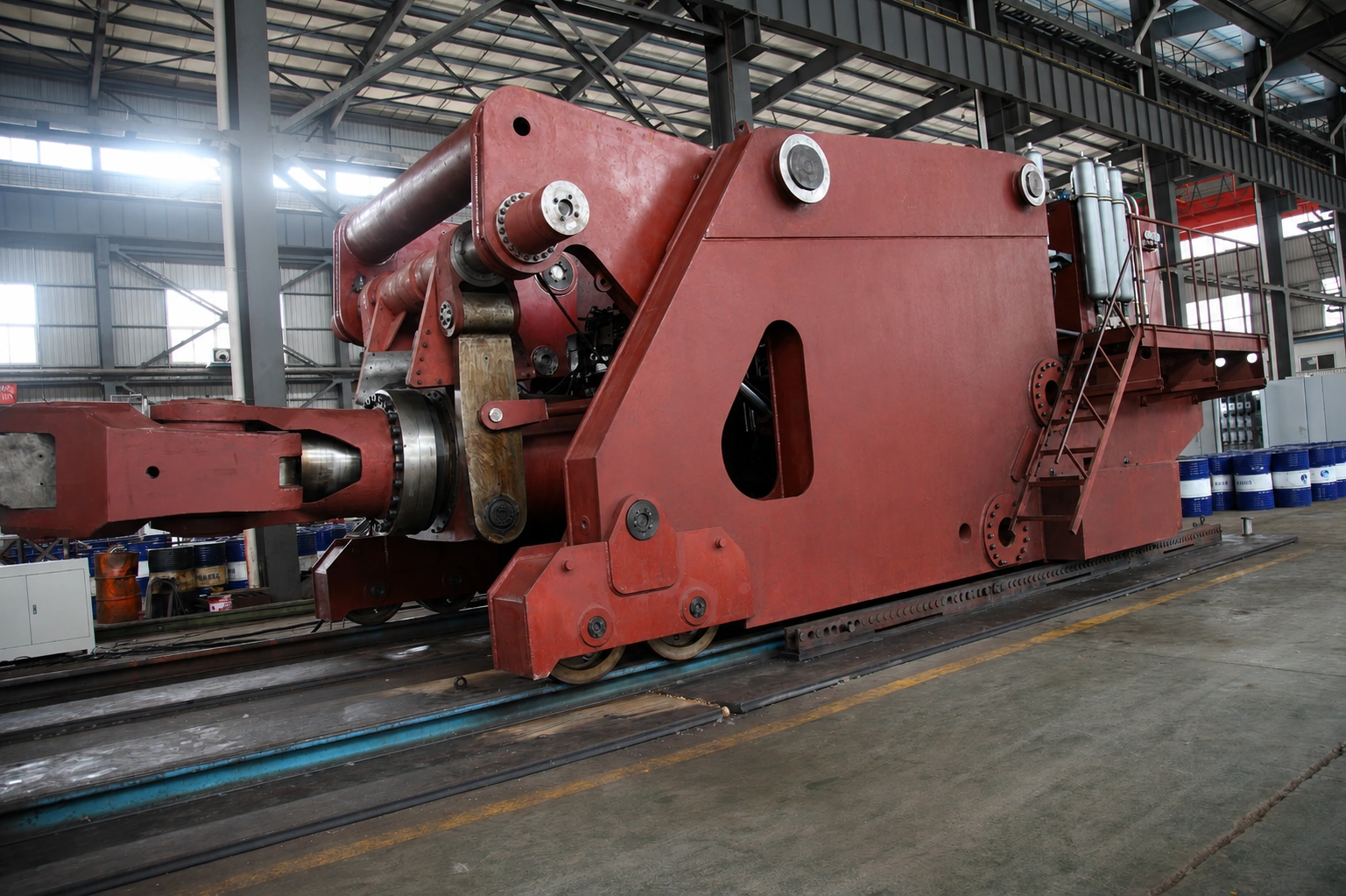
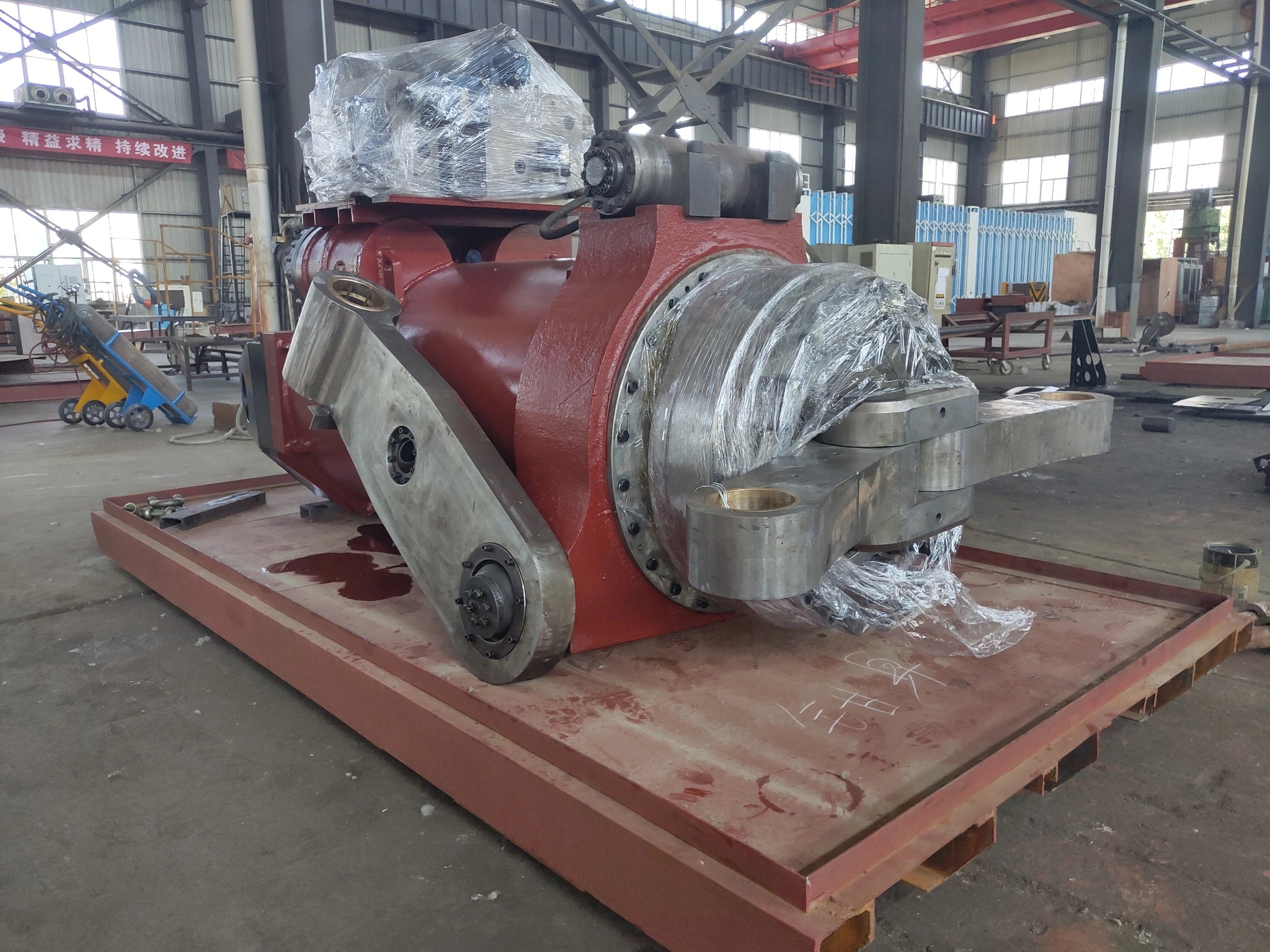
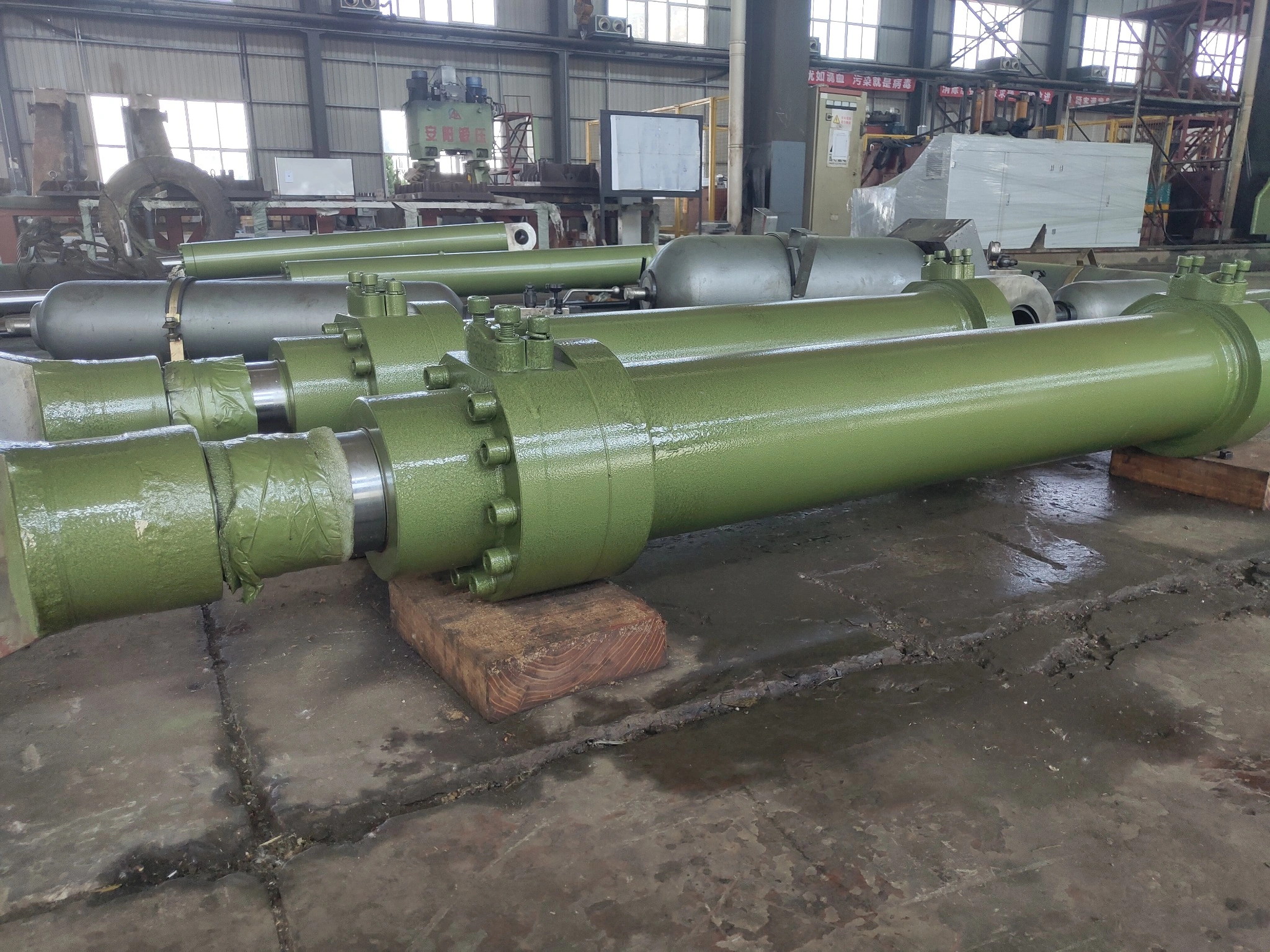
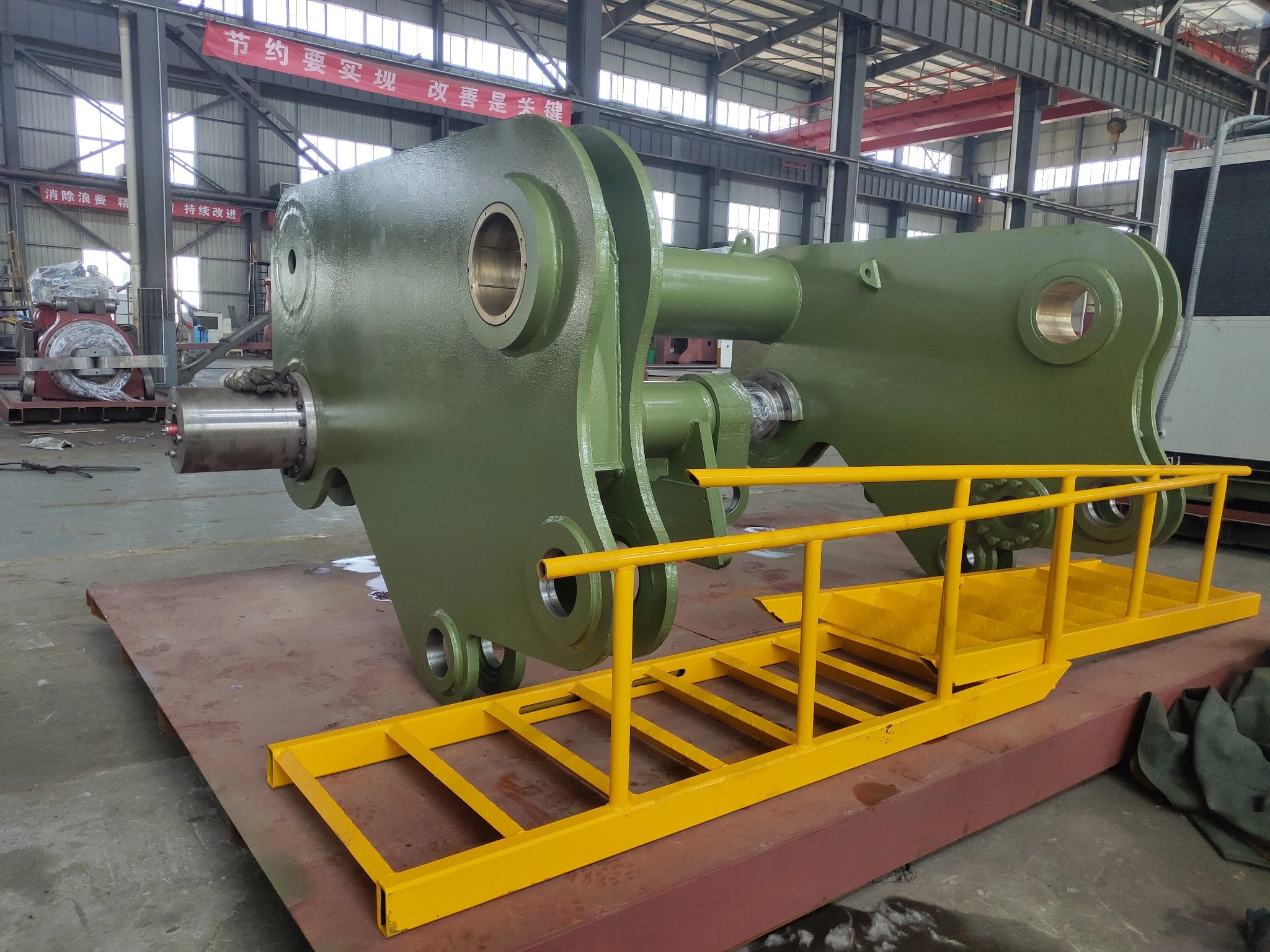
CNC Forging Manipulator for Heavy Open Die Forging
A CNC forging manipulator is an important auxiliary machine used in open die forging production. It clamps one end of a hot billet, ingot or shaft forging and moves the workpiece into the correct position under a forging press or hammer.
During forging, the manipulator can help with feeding, lifting, lowering, rotating, swinging, lateral movement and positioning. This allows the operator to control the hot workpiece more safely and accurately, especially when processing large shafts, rings, bars, discs, cylinders and heavy free forging parts.
CNC forging manipulator is suitable for forging workshops that need reliable billet handling equipment for open die forging lines. It can be matched with hydraulic open die forging presses, open die forging hammers, heating furnaces, charging equipment and other forging line machinery.
Why Choose a CNC Forging Manipulator?
In traditional open die forging, moving and rotating large hot workpieces manually is difficult, dangerous and inefficient. A CNC forging manipulator helps mechanise the handling process and allows the forging operator to position the billet more accurately.
Features
Fully Hydraulic Drive System
Control Options
Strong Clamping Jaw Design
Clamp Head Rotation
Lifting and Lowering Movement
Horizontal Lateral Movement
Compatible with Open Die Forging Equipment
Operator-Friendly Control System
Customisable Machine Configuration
How the CNC Forging Manipulator Works
The forging manipulator grips the hot billet or forging with its clamp head. The operator then uses the control system to move the billet into position under the press or hammer.
During forging, the manipulator can:
- Feed the billet forward or backward
- Rotate the forging for multi-side deformation
- Lift or lower the workpiece
- Move laterally for positioning
- Swing the clamp head
- Hold the billet steadily during pressing or hammering
- Cooperate with open die forging equipment for repeated operations
This allows large workpieces to be forged more consistently while reducing the need for direct manual intervention near the hot forging area.
Benefits
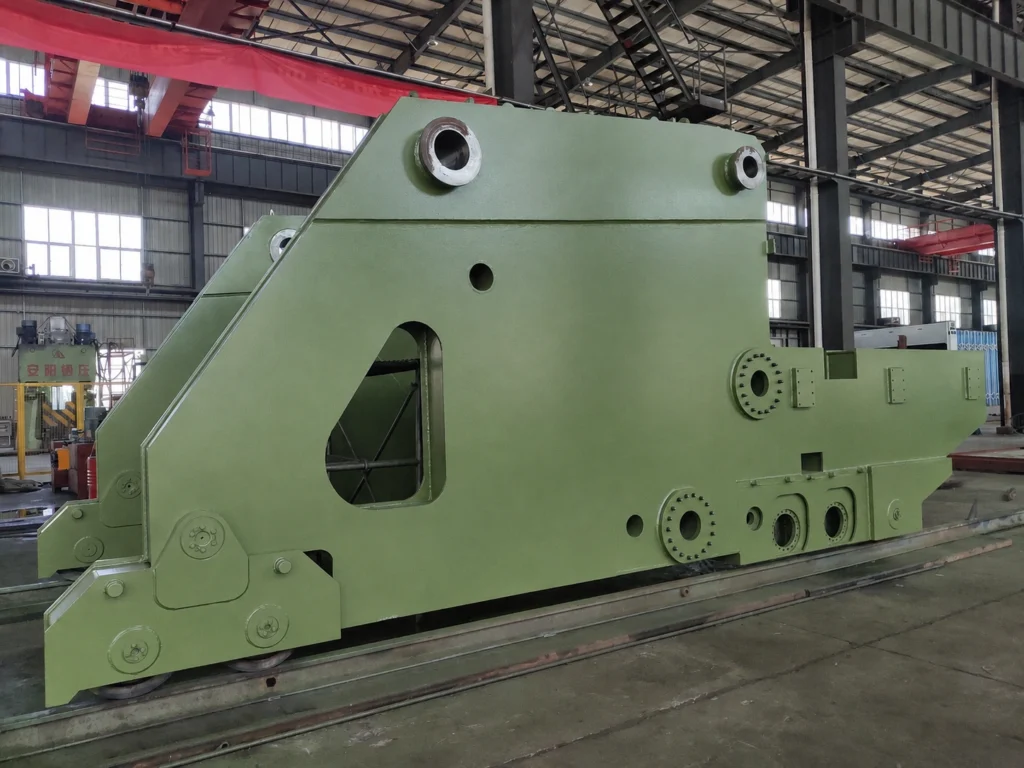
Safer Hot Billet Handling
Improved Forging Productivity
Better Workpiece Positioning
Reduced Labour Intensity
More Consistent Forging Quality
Suitable for Large and Heavy Forgings
CNC Forging Manipulator for Open Die Forging Automation
Modern open die forging plants are moving towards safer and more automated production. A CNC forging manipulator helps connect the handling process with the forging process.
When integrated correctly, the manipulator can support:
- More repeatable billet movement
- Better cooperation with the forging press
- Reduced operator workload
- Improved process stability
- Faster handling between forging steps
- Better use of heating temperature window
- Safer distance between operator and hot forging area
For customers upgrading from manual handling or older mechanical equipment, a hydraulic CNC forging manipulator can be an important step towards a more efficient forging workshop.
How to Choose the Right CNC Forging Manipulator
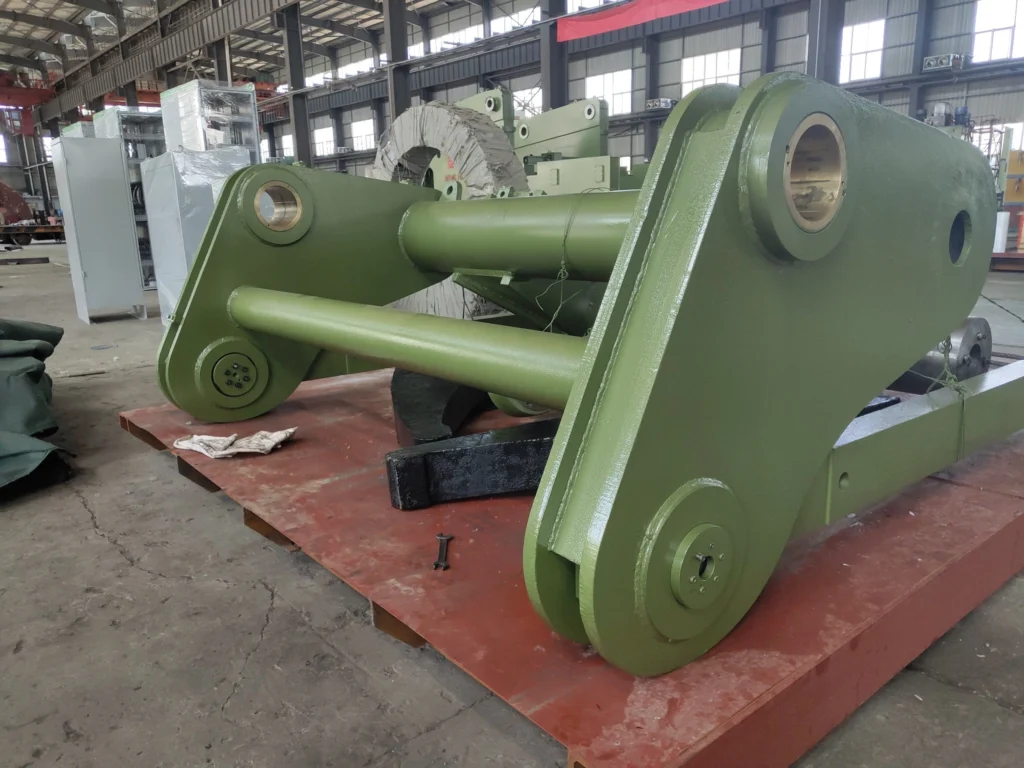
Rated Load
Billet Diameter and Clamping Range
Forging Press or Hammer Size
Factory Layout
Automation Requirement
Technical specifications
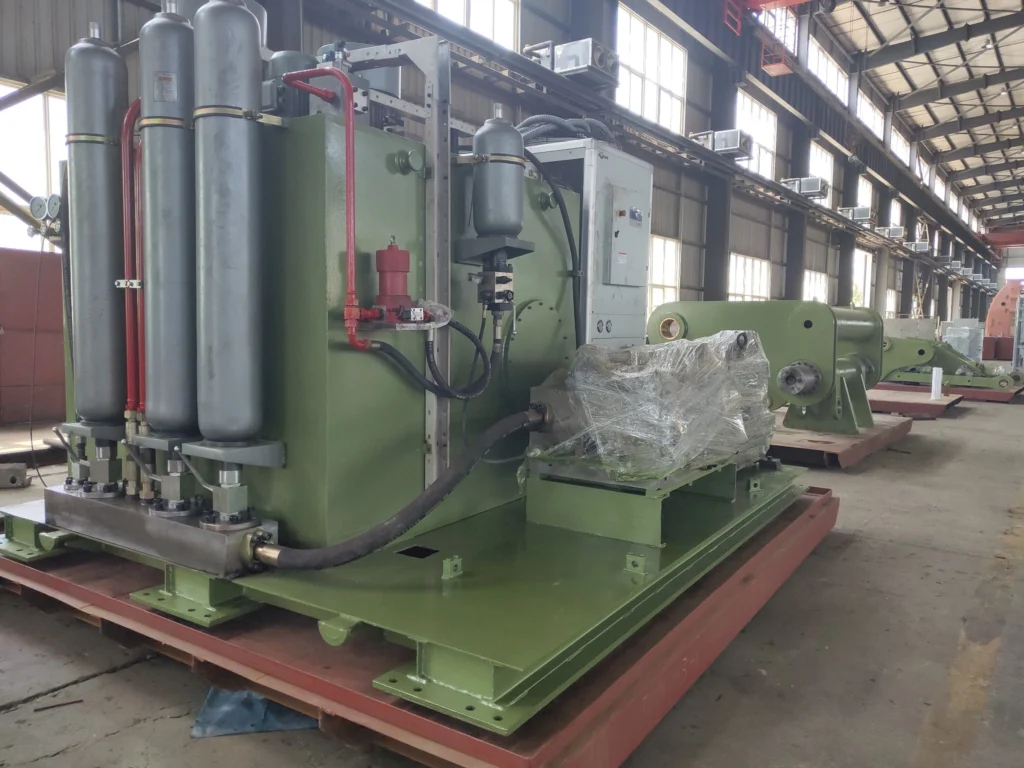
| Parameter Name | Unit | WM-10 | WM-20 | WM-30 | WM-40 | WM-50 |
|---|---|---|---|---|---|---|
| Rated Load | ton | 10 | 20 | 30 | 40 | 50 |
| Maximum Clamping Torque | t · m | 25 | 50 | 100 | 100 | 150 |
| Clamping Range, V-Shaped Jaws | mm | φ110–φ1050 | φ150–φ1300 | φ120–φ1800 | φ200–φ1600 | φ350–φ2000 |
| Maximum Clamping Capacity for Pancakes, Clamping Jaws | mm | φ1500 | 0–φ1800 | 0–φ2500 | ||
| Clamp Head Extension, Distance from Front Wheel Centre | mm | 2000 | 2600 | 2650 | ||
| Clamp Body Centre Distance Minimum Horizontal Height | mm | 700 | 800 | 1100 | ||
| Clamp Body Centre Distance Maximum Horizontal Height | mm | 2100 | 2300 | 3100 | ||
| Track Gauge | mm | 3400 | 3300 | 3800–4200 | 4500 | 4500 |
| Clamp Head Rotation Maximum | mm | 1600 | 2200 | 2800 | ||
| Clamp Head Swing | mm | ±180 | ±180 | ±200 | ±250 | ±220 |
| Clamp Body Parallel Lifting Speed | mm/s | 100 | 110 | 120 | 150 | 180 |
| Clamp Body Horizontal Lateral Speed | mm/s | 80 | 80 | 70 | ||
| Clamp Body Horizontal Buffer | mm | 70 | ±85 | ±95 | ||
| Equipment Dimensions, Length × Width × Height | m | 10.6 × 4.26 × 3.95 | 10.4 × 4.1 × 3.6 | 11.4 × 5.2 × 4.65 | ||
| System Working Pressure / Clamp | MPa | max 25 / 16 | 16 / 16 | 25 / 18 | ||
| Complete Machine Installation Power | kW | 152 | 140 | 210 | ||
| Machine Weight | ton | 58 | 96 | 140 | ||
| Application Scope | Forging Process: Open die forging, free forging, shaft forging, billet forging, ingot forging, upsetting, drawing out, elongation, stretching, rotation and press forging handling Suitable Materials: Carbon steel, alloy steel, stainless steel, tool steel, aluminium alloy, copper alloy, titanium alloy and other forgeable metals Typical Products: Long shafts, rollers, rings, discs, cylinders, bars, stepped shafts, heavy forgings, pressure vessel parts, power generation forgings, mining machinery parts and engineering machinery components | |||||
| Note | The above CNC forging manipulator technical parameters are for reference only. Final specifications may vary depending on workpiece weight, billet diameter, forging temperature, clamping jaw design, track layout, forging press or hammer size, automation level and project requirements. | |||||
For accurate model selection, please send your workpiece size, material, forging temperature, required process and expected production output. Wiz Machinery can help match the hammer capacity to your application.
Suitable Forging Equipment
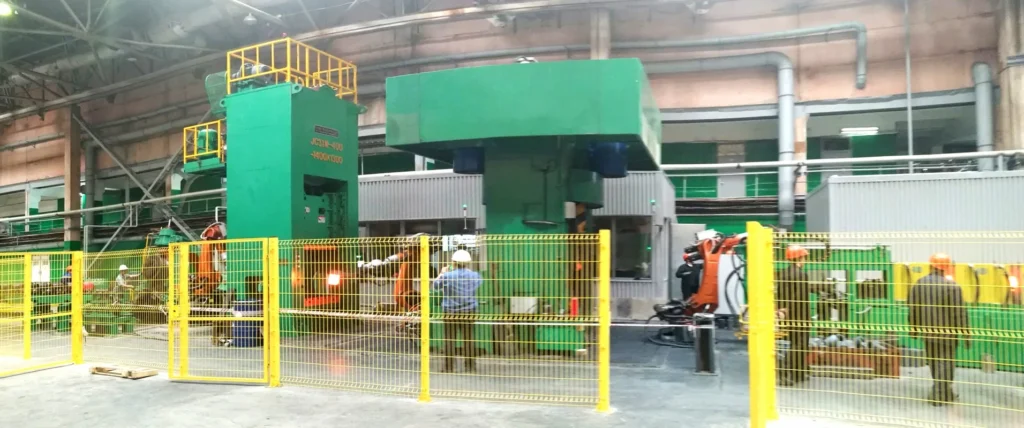
The CNC forging manipulator can be matched with different open die forging equipment, including:
- Hydraulic open die forging press
- Open die forging hammer
- Fully hydraulic open die forging hammer
- Heavy free forging press
- Heating furnace and charging machine
- Forging transfer equipment
- Integrated forging production line
For a complete open die forging line, Wiz Machinery can help match the manipulator with the main forging machine, heating equipment, track layout, control system and workshop handling requirements.
First ever packaging machine questionnaire
Which machine do you need?
Take our quick questionnaire to discover which machine fits your needs. For an exact match and pricing, a detailed quote will be required.