
High-efficiency ring rolling equipment for seamless forged rings
Ring Rolling Machine
Our ring rolling machines are designed for producing flanges, bearing rings, gear blanks, wheel hubs and other seamless ring forgings with stable performance, high productivity and reliable forming accuracy.
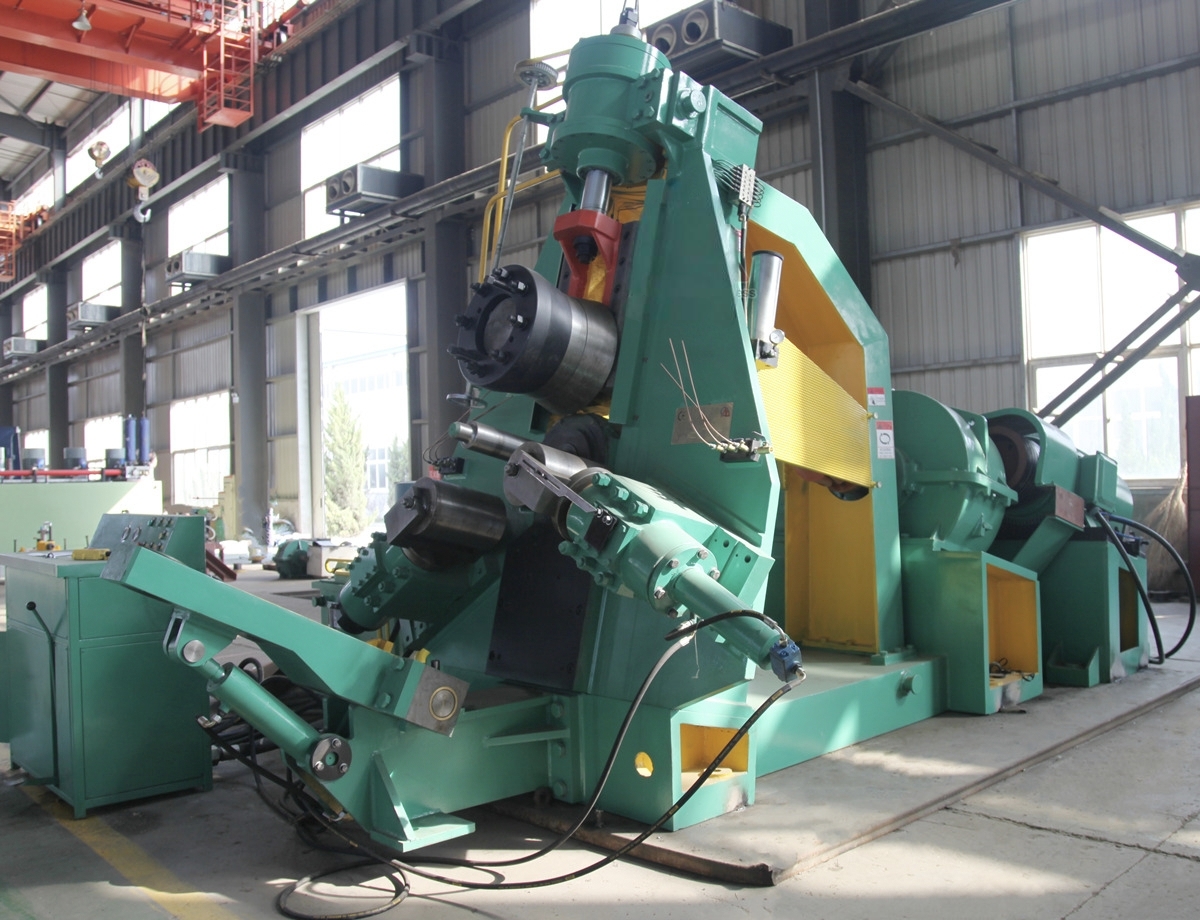
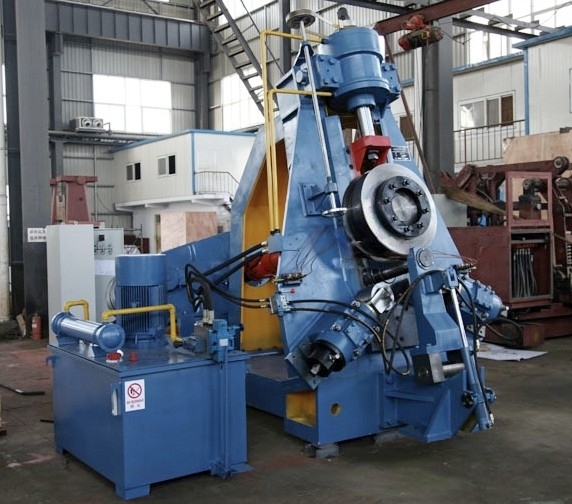
Ring Rolling Machine for Forged Ring Production
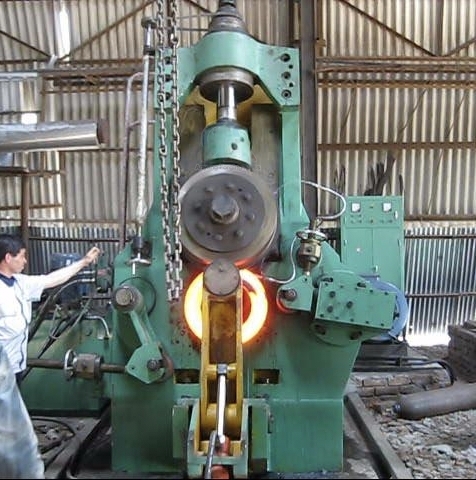
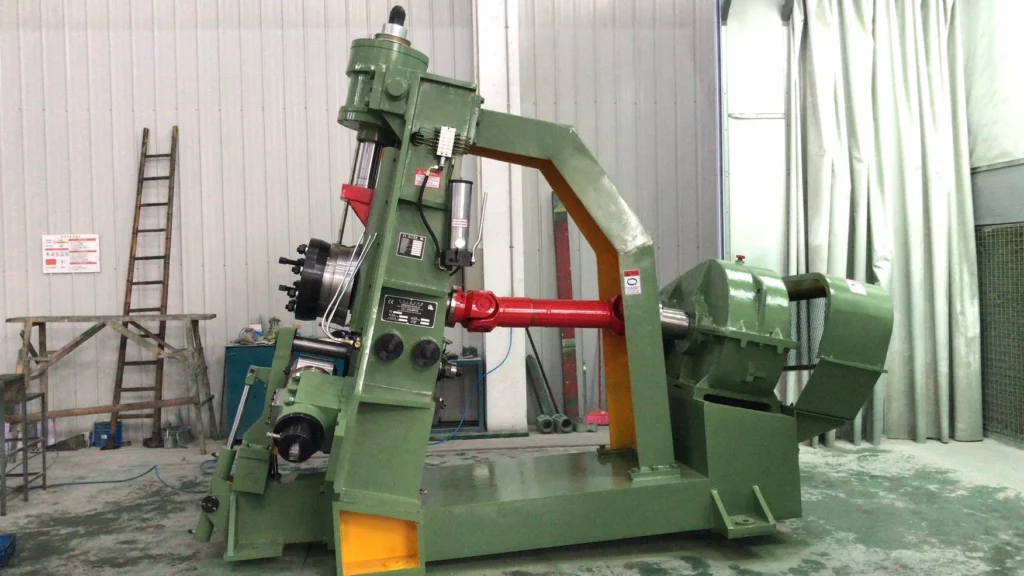
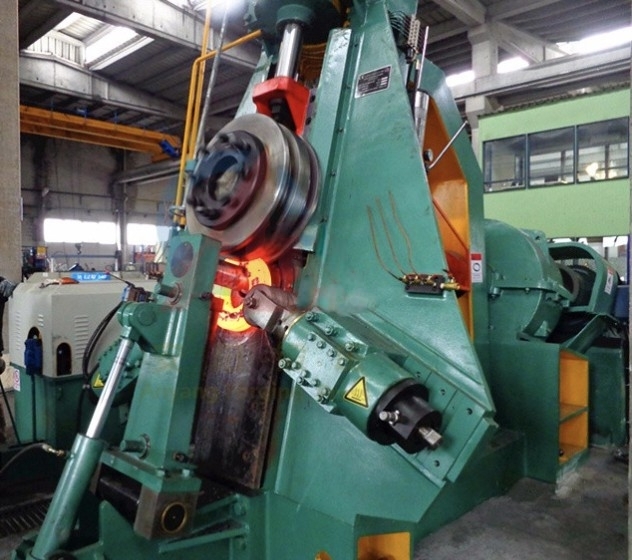
A ring rolling machine is used to expand and form heated ring blanks into accurate seamless ring forgings. It reduces wall thickness, increases outside diameter and improves ring shape through controlled rolling between the main rolling wheel, mandrel and supporting components.
This machine is suitable for manufacturers producing forged rings for machinery, automotive, railway, shipbuilding, petrochemical, aerospace, energy and general engineering industries. It is commonly used for flanges, bearing outer rings, gear blanks, sleeves, wheel hubs and wind power components.
For buyers looking for a reliable ring rolling solution, we can support machine selection according to required outside diameter, roller width, productivity, motor power, ring material and production layout.
Why Choose Our Ring Rolling Machine?
High Material Utilisation
Wide Application Range
Hydraulic Rolling Performance
Flexible Model Selection
One-Time Rolling Forming
Stable Ring Accuracy
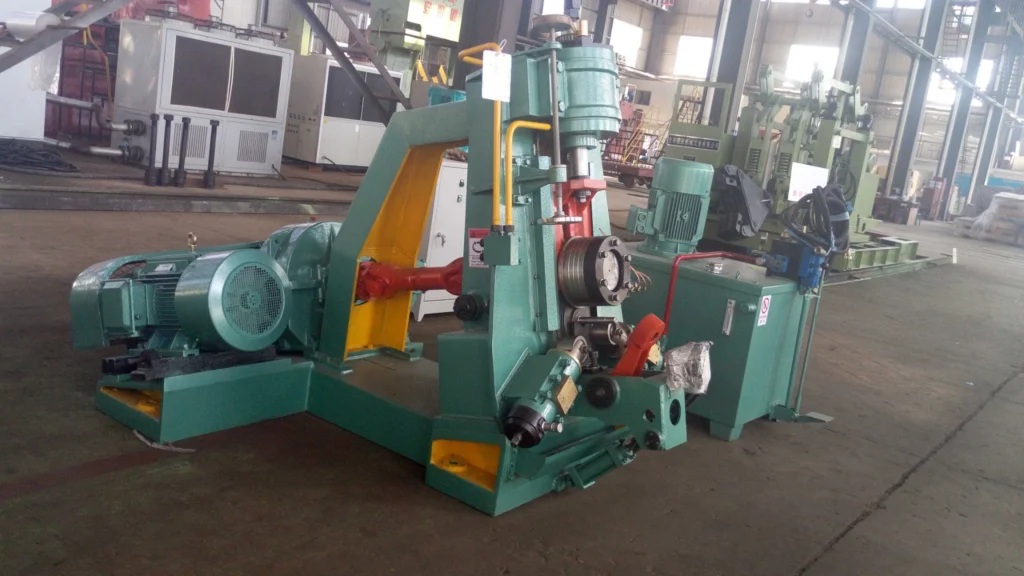
Industries Served
Bearing Manufacturing
Flange Production
Automotive Manufacturing
Railway and Shipbuilding
Petrochemical Equipment
Wind Power and Energy
How to Select the Right Ring Rolling Machine
Ring Outside Diameter
Choose the machine according to the maximum outside diameter of the rings you need to produce.
Ring Width and Section Size
Roller width, rolling wheel size and slider stroke should match your ring profile and section requirements.
Production Capacity
Select the model based on required pieces per hour, shift output and future production growth.
Material Type
Carbon steel, alloy steel, stainless steel and non-ferrous alloys may require different forming conditions.
Workshop Layout
Machine dimensions, feeding direction, heating furnace position and handling equipment should be planned together.
Automation Requirement
Manual, hydraulic and CNC configurations can be selected depending on production volume and precision needs.
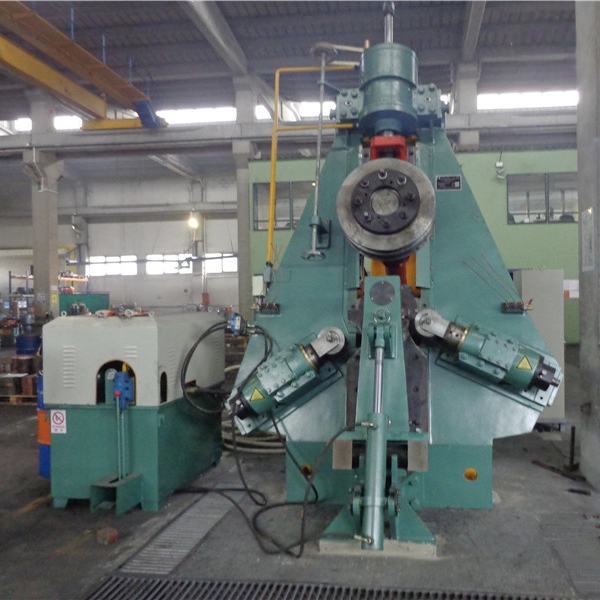
Benefits
Improved Production Efficiency
Reduced Machining Allowance
Better Forging Quality
Lower Production Cost
Suitable for Batch Production
Supports Custom Projects
Typical Applications
Flange Manufacturing
Used for producing pipe flanges, welding neck flanges, pressure vessel flanges and industrial connection rings.
Bearing Ring Production
Suitable for manufacturing bearing outer rings and other precision circular forgings used in mechanical systems.
Gear Blank Forming
Used to produce gear blanks before machining, helping improve material structure and reduce machining allowance.
Automotive Components
Applicable for hubs, sleeves, transmission parts and circular forged components used in vehicle manufacturing.
Energy and Wind Power Parts
Suitable for producing large ring components used in energy equipment, wind power and heavy machinery.
Petrochemical and Engineering Rings
Used for forged ring parts required in pipeline systems, pressure equipment and industrial machinery.
Process Flow
1. Billet Heating
2. Piercing or Preforming
3. Ring Positioning
4. Diameter Expansion
5. Size Control
6. Finished Ring Handling
Technical specifications
| Specification | Unit | WM-Y160 | WM-K160 | WM-Y250 | WM-K250 | WM-Y350 | WM-K350 | WM-Y500 | WM-K500 | WM-Y630 | WM-K630 | WM-Y800 | WM-K800 | WM-Y1000 | WM-K1000 | WM-Y1200 | WM-Y1300 | WM-Y1500 |
|---|---|---|---|---|---|---|---|---|---|---|---|---|---|---|---|---|---|---|
| Outside Diameter Max. | mm | 200 | 45–185 | 300 | 80–285 | 350 | 350 | 500 | 500 | 630 | 630 | 800 | 800 | 1000 | 1000 | 1200 | 1300 | 1500 |
| Roller Width | mm | 73 | 73 | 125 | 125 | 200 | 200 | 200 | 200 | 200 | 200 | 350 | 350 | 450 | 450 | 450 | 450 | 450 |
| Maximum Productivity | pcs/h | 600 | 600 | 360 | 360 | 120 | 120 | 90 | 90 | 80 | 80 | 60 | 60 | 50 | 50 | 40 | 40 | 40 |
| Nominal Pressure | kN | 113000 | 13000 | 196000 | 196000 | 320000 | 300000 | 320000 | 320000 | 320000 | 320000 | 580000 | 580000 / 800000 | 800000 | 800000 | 800000 | 800000 | 800000 |
| Maximum Stroke of Slider | mm | 70 | 70 | 110 | 110 | 250 | 200 | 250 | 200 | 250 | 200 | 350 | 350 | 350 | 350 | 350 | 350 | 350 |
| Line Expansion Speed | m/s | 1.64 | 1.64 | 1.63 | 1.63 | 1.45 | 1.45 | 1.5 | 1.5 | 1.47 | 1.47 | 1.5 | 1.5 | 1.5 | 1.5 | 1.5 | 1.5 | 1.5 |
| Rolling Wheel Outer Diameter | mm | 370–380 | 370–380 | 500–520 | 500–520 | 700–720 | 700–720 | 700–720 | 700–720 | 700–720 | 700–720 | 780–820 | 780–820 | 780–820 | 780–820 | 780–820 | 780–820 | 780–820 |
| Motor Power | kW | 30 | 30 | 55 | 55 | 90 | 90 | 90 / 110 | 90 / 110 | 90–132 | 90–132 | 132–185 | 132–185 | 160–250 | 160–185 | 132–250 | 132–250 | 185–280 |
| Dimensions | mm | 2350 × 1700 × 2100 | 2350 × 1700 × 2600 | 3440 × 2000 × 2700 | 2630 × 2240 × 2900 | 4800 × 2200 × 3380 | 4800 × 2200 × 3680 | 4800 × 2600 × 3450 | 4800 × 2600 × 3750 | 4800 × 2600 × 3450 | 4800 × 2600 × 4280 | 6200 × 3050 × 3830 | 6200 × 3050 × 4500 | 6200 × 3290 × 3900 | 6200 × 3290 × 4900 | 6200 × 3530 × 4170 | 6200 × 3530 × 4170 | 6200 × 3770 × 4320 |
| Application Scope |
Forging Process: Hot ring rolling, ring expansion, seamless ring forming, flange rolling, gear blank rolling and bearing ring production Suitable Materials: Carbon steel, alloy steel, stainless steel, bearing steel, aluminium alloy, copper alloy, titanium alloy and other forgeable metals Typical Products: Bearing outer rings, gear blanks, pipe flanges, welding neck flanges, wheel hubs, sleeves, wind power rings, machinery rings and industrial forged rings |
|||||||||||||||||
| Note | The above ring rolling machine technical parameters are for reference only. Final specifications may vary depending on machine configuration, ring diameter, material, rolling process, tooling, automation requirements and project conditions. | |||||||||||||||||
For accurate model selection, please send your workpiece size, material, forging temperature, required process and expected production output. Wiz Machinery can help match the hammer capacity to your application.
Materials Suitable for Ring Rolling
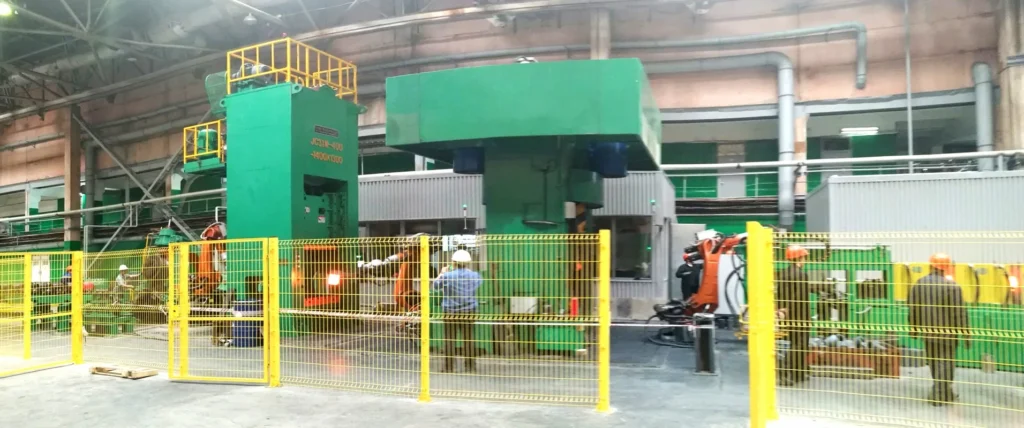
The ring rolling machine can be used for many forgeable metals depending on temperature, blank design and forming requirements.
Common materials include:
Carbon steel, alloy steel, stainless steel, bearing steel, tool steel, aluminium alloy, copper alloy, titanium alloy and other forgeable metal materials.
First ever packaging machine questionnaire
Which machine do you need?
Take our quick questionnaire to discover which machine fits your needs. For an exact match and pricing, a detailed quote will be required.