
Hot Forging Billet Scale Removal Equipment
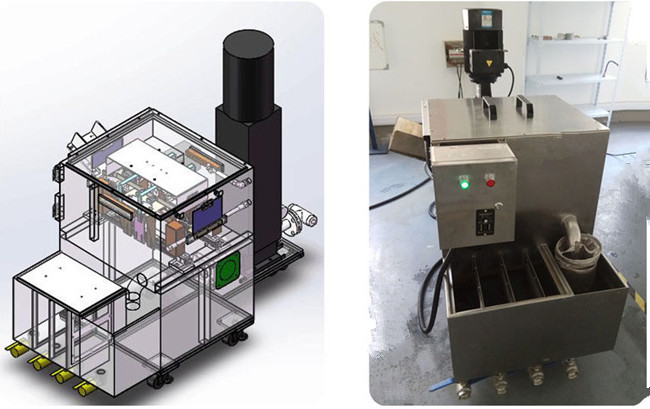
Descaling Machine
Remove oxide scale from heated billets, round bars and forged blanks before forging, helping improve surface quality, reduce defects and support cleaner forging production.
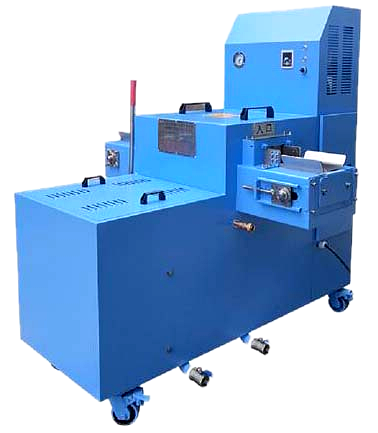
Descaling Machine for Hot Forging Lines
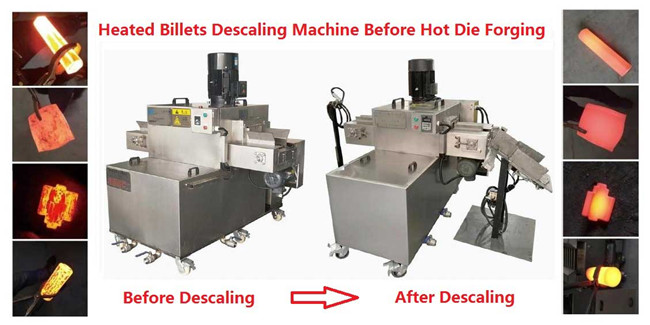
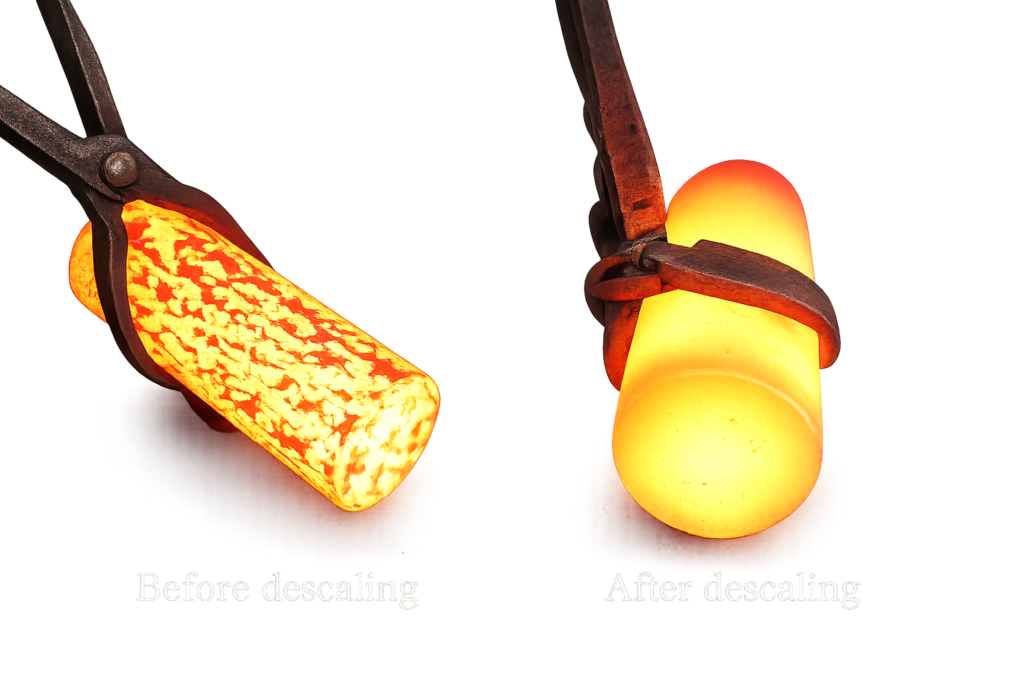
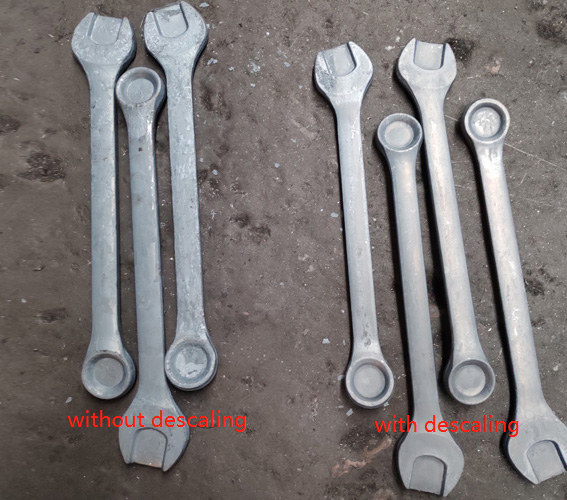
A descaling machine is used to remove oxide scale from hot billets, round bars and pre-forged blanks before they enter the forging process. During heating, metal surfaces react with oxygen and form scale. If this scale is not removed before forging, it can be pressed into the workpiece surface, causing pits, poor finish, higher machining allowance and possible rejection of finished parts.
Our forging descaling machine range is suitable for hot die forging, closed die forging, induction heating lines, billet preparation and automated forging production. The machine uses controlled high-pressure water spray, scraping or positioning mechanisms depending on the selected configuration and workpiece requirements.
It is suitable for carbon steel, alloy steel, stainless steel and other forgeable materials used in automotive parts, engineering components, hardware, fasteners, agricultural machinery parts and industrial forging lines.
Why Oxide Scale Removal Matters Before Forging
Oxide scale can look like a small surface problem, but in forging production it can directly affect part quality, die life and downstream machining. When scale is pressed into the forging surface, it may create indentations, surface marks and material loss. For precision forging, this can increase rejection rates and add extra finishing work.
A billet descaling machine helps remove scale before the forging stroke, giving the workpiece a cleaner surface and improving consistency across the production line.
Machine Features
High-Pressure Scale Removal
SS304 Stainless Steel Contact Areas
Suitable for Round Bars and Blanks
Compact Forging Line Integration
Stable Conveyor and Chain Support
Multiple Configuration Options
Suitable Industries
This machine is suitable for forging manufacturers producing:
- Automotive forged parts
- Connecting rods and brackets
- Gears and gear blanks
- Hand tools and hardware
- Fasteners and fittings
- Agricultural machinery parts
- Engineering machinery components
- Precision forged metal parts
- General industrial forged components
Benefits
Better Forging Surface Quality
Reduced Manual Labour
Lower Rework and Scrap Risk
Improved Die Protection
Faster Production Flow
Cleaner Workshop Operation
Typical Applications
The descaling machine is suitable for:
- Hot die forging lines
- Closed die forging production
- Induction heating billet lines
- Round bar forging preparation
- Automotive parts forging
- Hardware and tool forging
- Fastener and fitting forging
- Agricultural machinery parts
- Engineering machinery components
- General metal forging workshops
Process Flow
1. Billet Heating
2. Scale Formation
3. Descaling Operation
4. Transfer to Forging Equipment
5. Forging Process
6. Downstream Processing
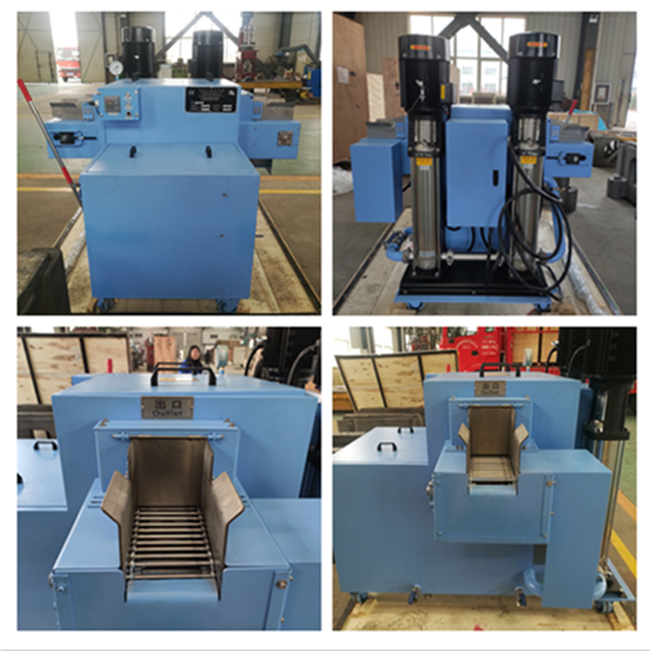
Technical specifications
| Item | Unit | Small Descaling Machine WM-09-S | Big Descaling Machine WM-09-B | Double Pump Big Descaling Machine WM-09-DP | Temperature Control Small Descaling Machine WM-09-TCS | Temperature Control Big Descaling Machine WM-09-TCB | Position Small Descaling Machine WM-09-PS | Position Big Descaling Machine WM-09-PB |
|---|---|---|---|---|---|---|---|---|
| Pressure | MPa | 1.5–1.7 | 1.5–1.7 | 2.5–3.0 | 1.5–1.7 | 1.5–1.7 | 1.5–1.7 | 1.5–1.7 |
| Voltage | V | 380 | 380 | 380 | 380 | 380 | 380 | 380 |
| Material | - | SS304 | SS304 | SS304 | SS304 | SS304 | SS304 | SS304 |
| Specification — Round Bar Diameter | mm | φ20–φ80 | φ55–φ100 | φ55–φ100 | φ20–φ55 | φ55–φ100 | φ20–φ55 | φ55–φ100 |
| Specification — Round Bar Length | mm | ≤400 | ≤500 | ≤500 | ≤400 | ≤500 | ≤400 | ≤500 |
| After Blank Making — Width × Height | mm | ≤110 × 80 | ≤160 × 100 | ≤160 × 100 | ≤60 × 55 | ≤160 × 100 | ≤60 × 55 | ≤160 × 100 |
| After Blank Making — Length | mm | ≤400 | ≤500 | ≤500 | ≤400 | ≤500 | ≤400 | ≤500 |
| Chain Bearing | kg | 15 | 30 | 30 | 15 | 30 | 15 | 30 |
| Dimensions L × W × H | mm | 1300 × 1500 × 1500 | 1600 × 1600 × 1600 | 1600 × 1800 × 1600 | 1300 × 1500 × 1500 | 1600 × 1600 × 1600 | 1300 × 1500 × 1500 | 1600 × 1600 × 1600 |
| Application Scope | Forging Process: Hot die forging, closed die forging, billet heating lines, induction furnace lines, pre-forging preparation and scale removal before forging Suitable Materials: Carbon steel, alloy steel, stainless steel and other forgeable metals Typical Products: Automotive components, fasteners, hand tools, hardware parts, agricultural machinery parts, engineering machinery parts, connecting rods, brackets, fittings and precision forged components | |||||||
| Note | The above descaling machine technical parameters are for reference only. Final specifications may vary depending on workpiece size, heating method, production speed, pressure requirement, automation level and project conditions. | |||||||
For accurate model selection, please send your workpiece size, material, forging temperature, required process and expected production output. Wiz Machinery can help match the hammer capacity to your application.
How to Choose the Right Descaling Machine
Check the Billet Diameter
Confirm the Blank Size After Cutting
Match the Forging Line Layout
Select the Correct Pressure Level
Consider Automation Requirements
Plan Water and Scale Collection
Where the Machine Fits in a Forging Line
A typical forging line may include:
Billet cutting machine → Induction heating furnace → Descaling machine → Forging press or forging hammer → Trimming press → Cooling or heat treatment
The descaling machine is normally installed after heating and before forging. This position allows the hot billet to be cleaned immediately before forming, reducing the chance of oxide scale being pressed into the part surface.
First ever packaging machine questionnaire
Which machine do you need?
Take our quick questionnaire to discover which machine fits your needs. For an exact match and pricing, a detailed quote will be required.