Hydraulic handling and positioning equipment for open die forging lines.
Frame Type Forging Manipulator
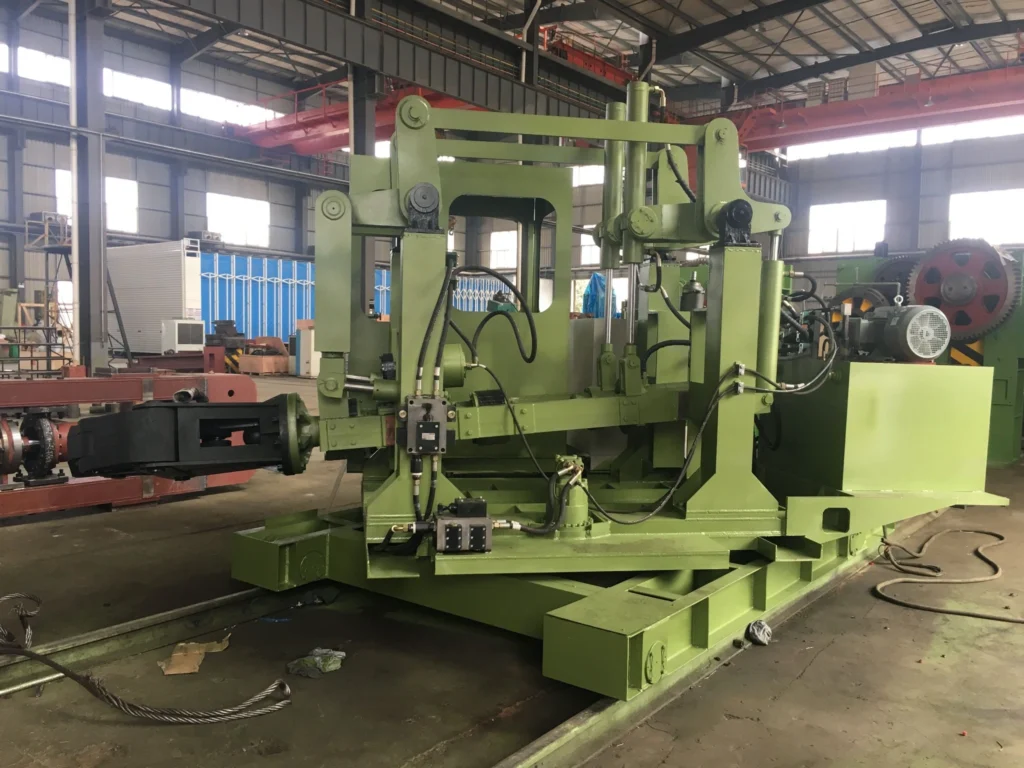
Wiz Machinery supplies frame type forging manipulators for handling, clamping, rotating and positioning hot billets, ingots and forged parts during open die forging.
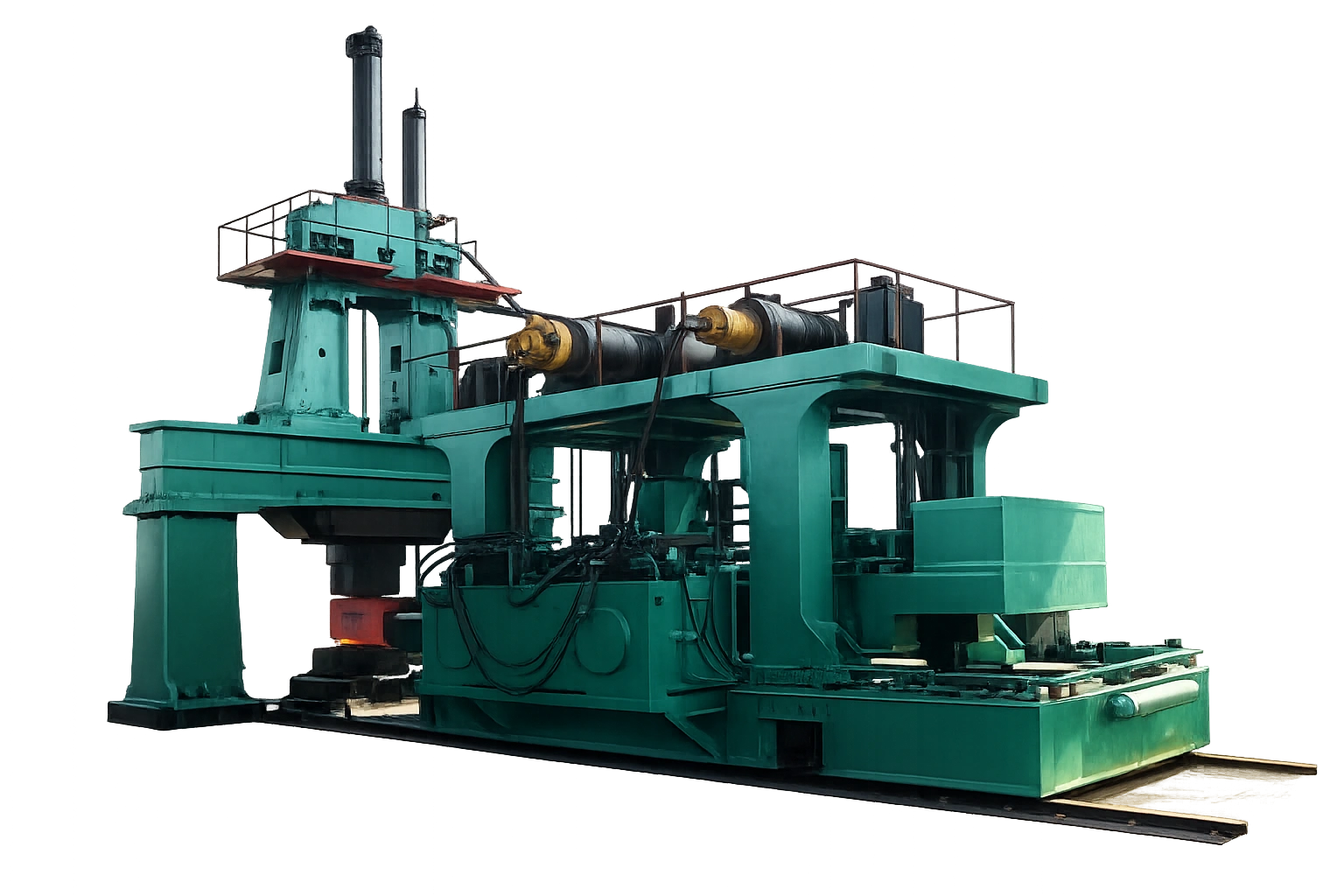
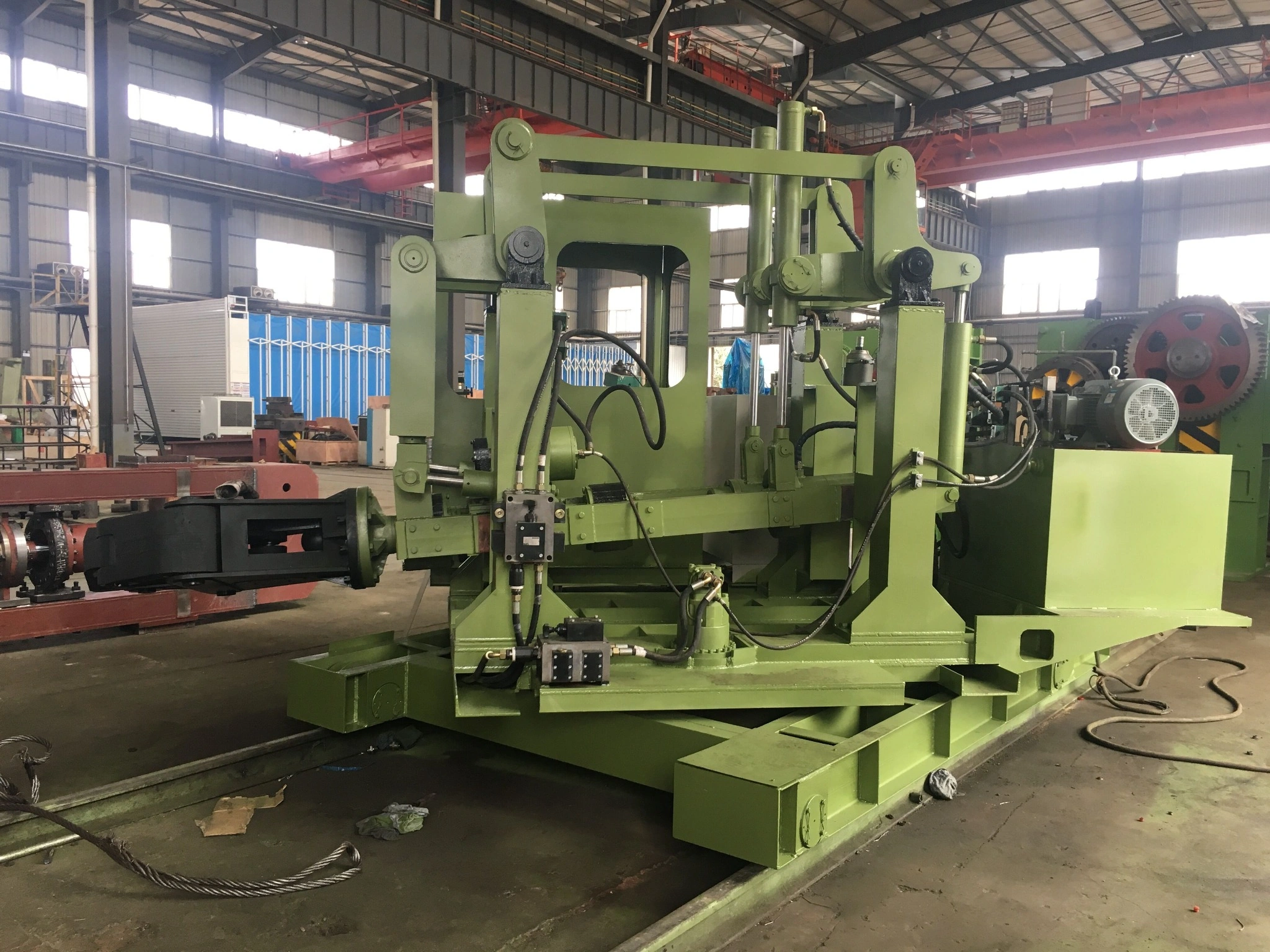
Frame Type Forging Manipulator For Heavy Forging Workshops
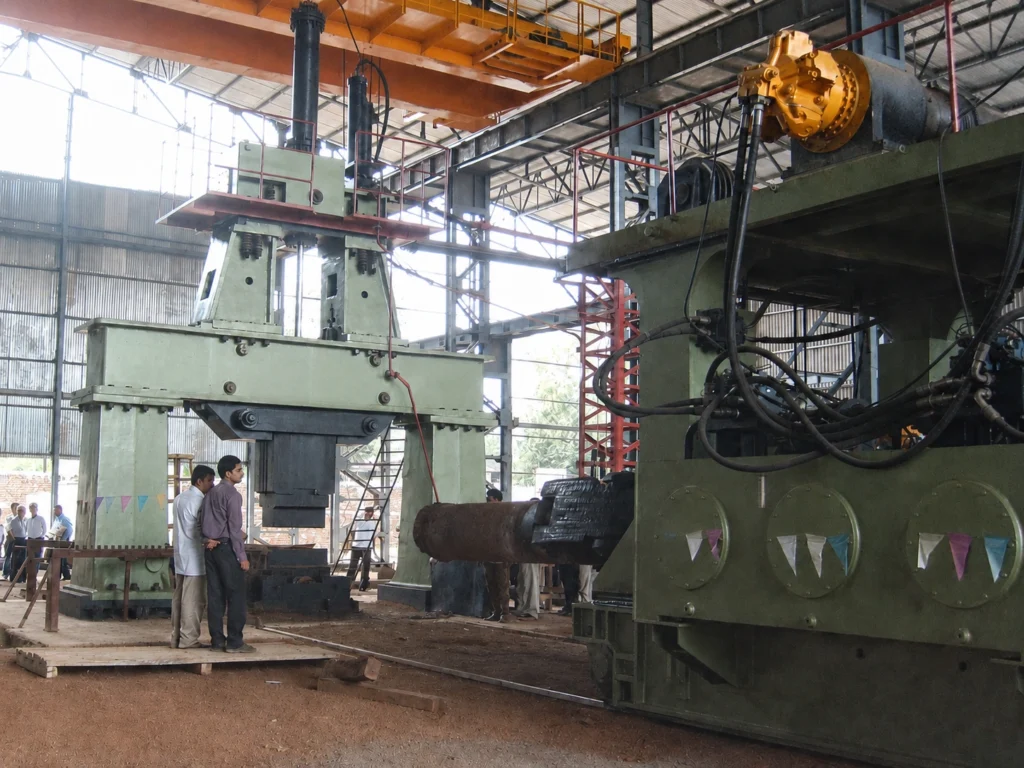
A frame type forging manipulator is used to support safe, accurate and repeatable workpiece handling during forging. It helps operators move hot billets or forged parts between the heating furnace, forging hammer, hydraulic press and working area.
The machine can clamp the workpiece, travel along the track, lift the clamp rod, rotate the clamp head and position the forging during each stage of production. This makes it suitable for open die forging, shaft forging, ring forging, ingot forging and heavy metal forming applications.
Wiz Machinery supplies frame type forging manipulators for different workshop layouts and production requirements. As a machinery trader, we help customers compare suitable machine configurations, technical parameters, automation level and supporting equipment before purchasing.
What Is A Frame Type Forging Manipulator?
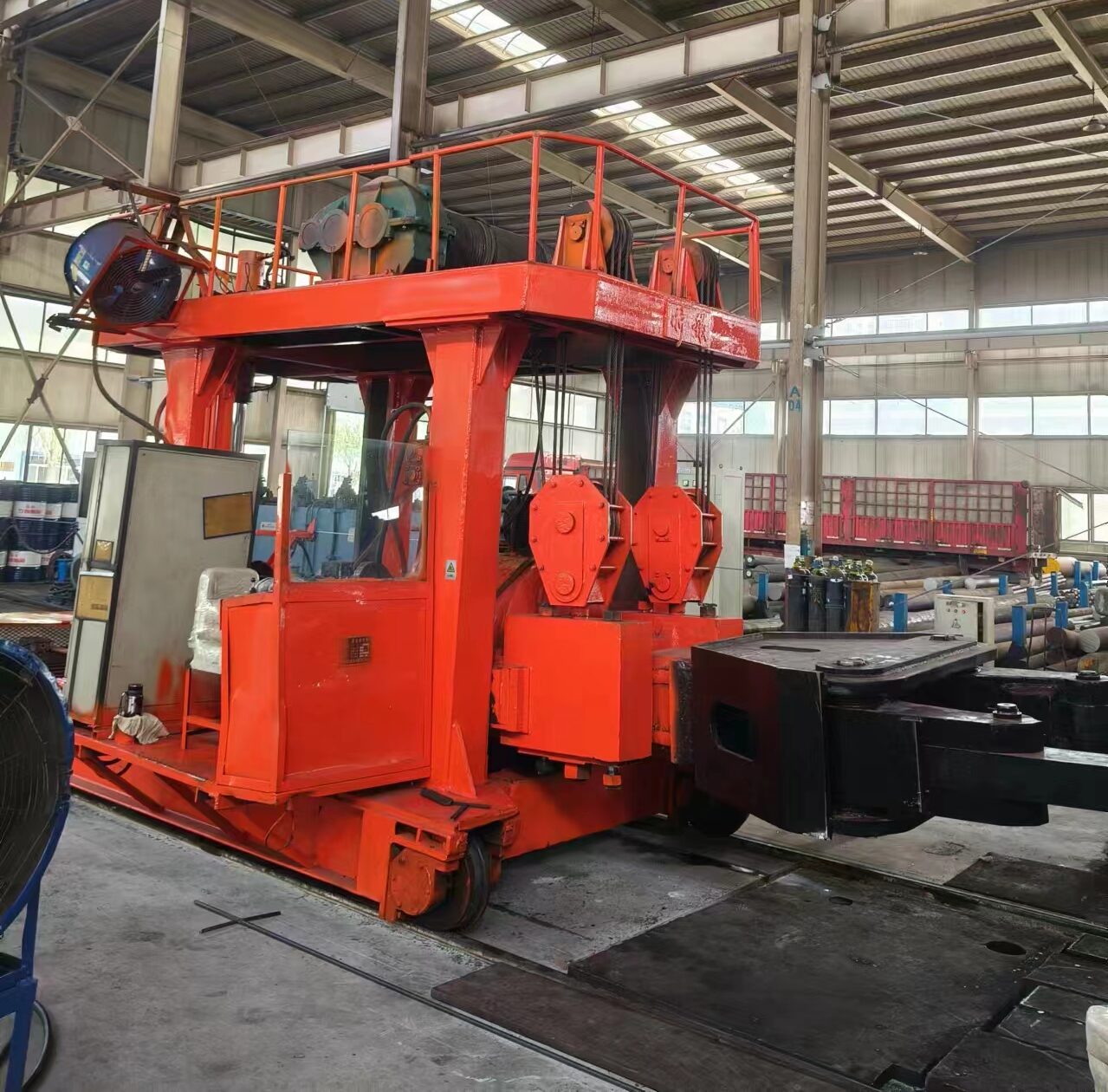
A frame type forging manipulator is a rail-mounted or frame-supported handling machine used beside a forging press or forging hammer. It holds hot metal workpieces securely and allows the operator to control movement, rotation and positioning during forging.
Unlike manual handling or simple charging equipment, a frame type manipulator is designed for repeated heavy-duty operation. It can reduce labour intensity, improve handling stability and support more controlled forging production.
Frame type models can be supplied for different load capacities, clamping diameters, clamp rod centre heights, trolley speeds and hydraulic system requirements.
Features
Strong Frame Structure
Hydraulic Clamping System
Clamp Head Rotation
Trolley Travel Movement
Adjustable Clamp Rod Height
Custom Project Configuration
How the Frame Type Forging Manipulator Works
The forging manipulator grips the hot billet or forging with its clamp head. The operator then uses the control system to move the billet into position under the press or hammer.
During forging, the manipulator can:
- Feed the billet forward or backward
- Rotate the forging for multi-side deformation
- Lift or lower the workpiece
- Move laterally for positioning
- Swing the clamp head
- Hold the billet steadily during pressing or hammering
- Cooperate with open die forging equipment for repeated operations
This allows large workpieces to be forged more consistently while reducing the need for direct manual intervention near the hot forging area.
Benefits
Safer Workpiece Handling
Better Forging Accuracy
Higher Production Efficiency
Lower Labour Intensity
Suitable For Multiple Forging Parts
Better Integration With Forging Lines
Typical Applications
Frame type forging manipulators are suitable for many hot forging and open die forging applications, including:
- Open die forging lines
- Hydraulic forging press production
- Forging hammer production
- Ingot and billet handling
- Shaft forging and bar forging
- Ring, block and flange forging
- Heavy steel forging workshops
- Alloy steel and stainless steel forging
- Automotive, engineering machinery and energy component forging
How To Choose The Right Frame Type Forging Manipulator
Confirm Workpiece Weight
Check Clamping Diameter
Match The Forging Machine
Review Workshop Layout
Consider Rotation Requirements
Plan For Future Capacity
Technical specifications
| Specification | Unit | WM-FM-1 | WM-FM-2 | WM-FM-3 | WM-FM-5 | WM-FM-8 | WM-FM-10 |
|---|---|---|---|---|---|---|---|
| Nominal Load | t | 1 | 2 | 3 | 5 | 8 | 10 |
| Maximum Clamping Torque | t·m | 2 | 5 | 6 | 12 | 15 | 30 |
| Clamping Bar Range | mm | Φ60–420 | Φ100–Φ600 | Φ80–Φ800 | Φ150–Φ800 | Φ150–Φ1050 | Φ100–Φ1100 |
| Clamp Rod Centre Height | mm | 650–1400 | 750–1500 | 680–1800 | 1050–1750 | 800–1800 | 720–1800 |
| Clamp Head Extension | mm | 1300 | 1550 | 1650 | 2000 | 2500 | 2500 |
| Clamp Head Maximum Rotation Diameter | mm | 1000 | 1000 | 1050 | 1650 | 1700 | 1700 |
| Clamp Head Maximum Speed | r/min | 0–20 | 0–30 | 0–25 | 18 | 18 | 18 |
| Trolley Maximum Speed | m/min | 35 | 35 | 25 | 25 | 20 | 20 |
| Frame Maximum Rotation Speed | r/min | 1–2 | 1–2 | 1–2 | 1–2 | 1–2 | / |
| Track Gauge | mm | 2236 | 2236 | 2300 | 2300 | 2800 | 2800 |
| Rated Pressure Of Hydraulic System | MPa | 10 | 12 | 12 | 15–20 | 10–12 | 20 |
| Overall Dimensions | mm | 4850 × 2750 × 3400 | 5400 × 3100 × 3300 | 6500 × 2600 × 4000 | 7700 × 3600 × 3800 | 8800 × 3620 × 5000 | 8600 × 3320 × 5240 |
| Application Scope |
Forging Process: Open die forging, hot forging, shaft forging, bar forging, ring forging, ingot handling, billet handling, drawing, upsetting and workpiece positioning Suitable Materials: Carbon steel, alloy steel, stainless steel, aluminium alloy, brass, copper and other forgeable metals Typical Products: Shafts, bars, rings, blocks, flanges, gear blanks, engineering machinery parts, energy equipment parts, forged components and heavy industrial forgings |
||||||
| Note | The above frame type forging manipulator technical parameters are for reference only. Final specifications may vary depending on workpiece size, material, forging process, workshop layout, track design, automation level and project requirements. | ||||||
For accurate model selection, please send your workpiece size, material, forging temperature, required process and expected production output. Wiz Machinery can help match the hammer capacity to your application.
Suitable Forging Equipment
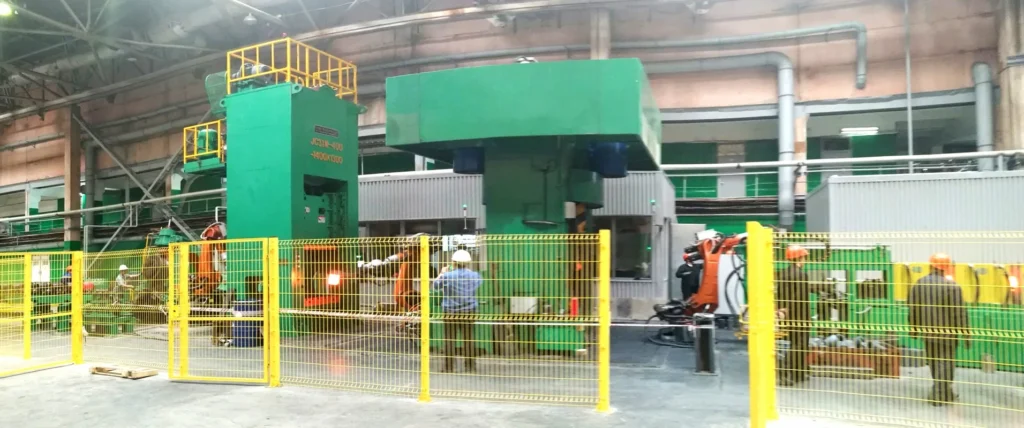
The Frame Type Forging Manipulator can be matched with different open die forging equipment, including:
- Hydraulic open die forging press
- Open die forging hammer
- Fully hydraulic open die forging hammer
- Heavy free forging press
- Heating furnace and charging machine
- Forging transfer equipment
- Integrated forging production line
For a complete open die forging line, Wiz Machinery can help match the manipulator with the main forging machine, heating equipment, track layout, control system and workshop handling requirements.
First ever packaging machine questionnaire
Which machine do you need?
Take our quick questionnaire to discover which machine fits your needs. For an exact match and pricing, a detailed quote will be required.