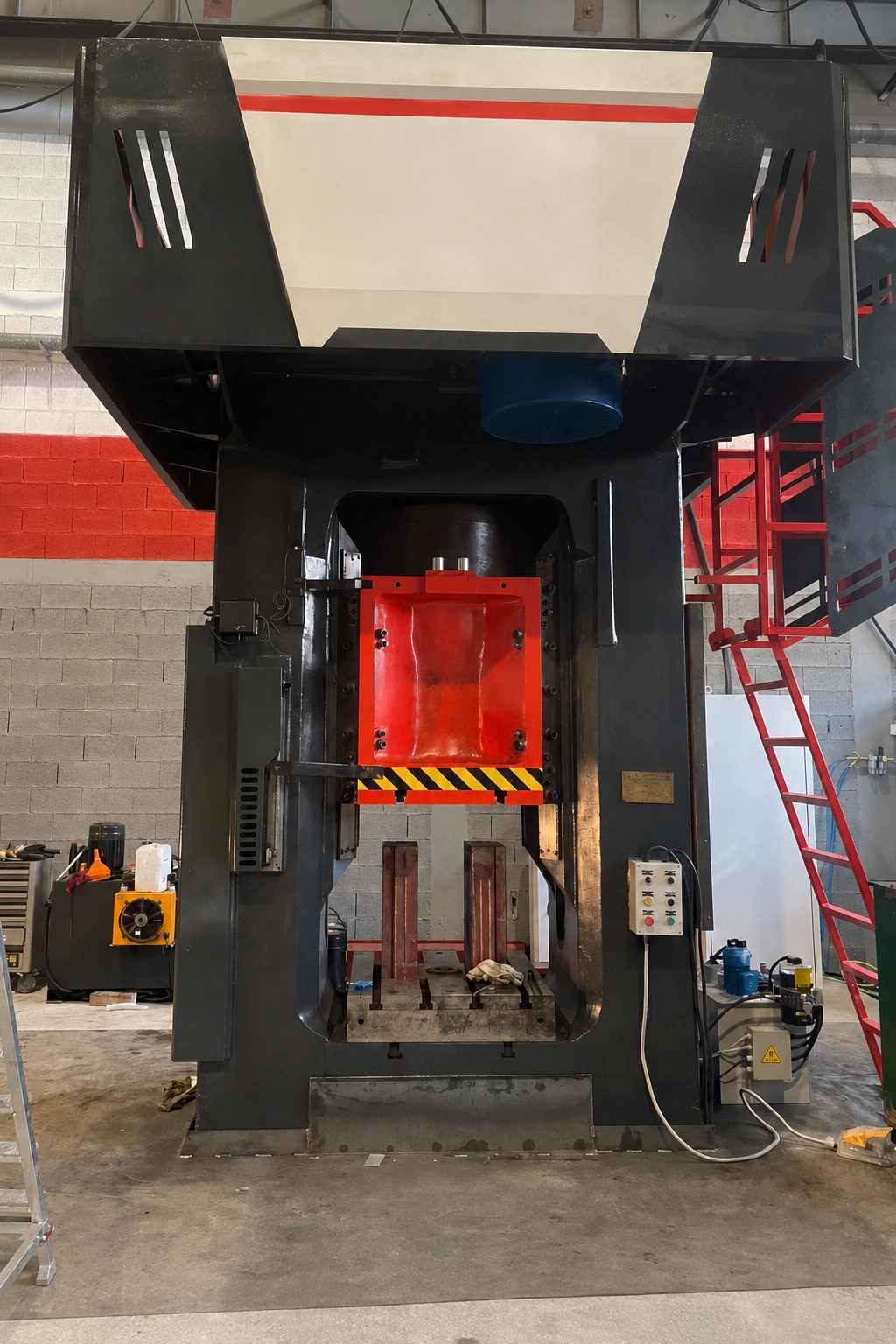
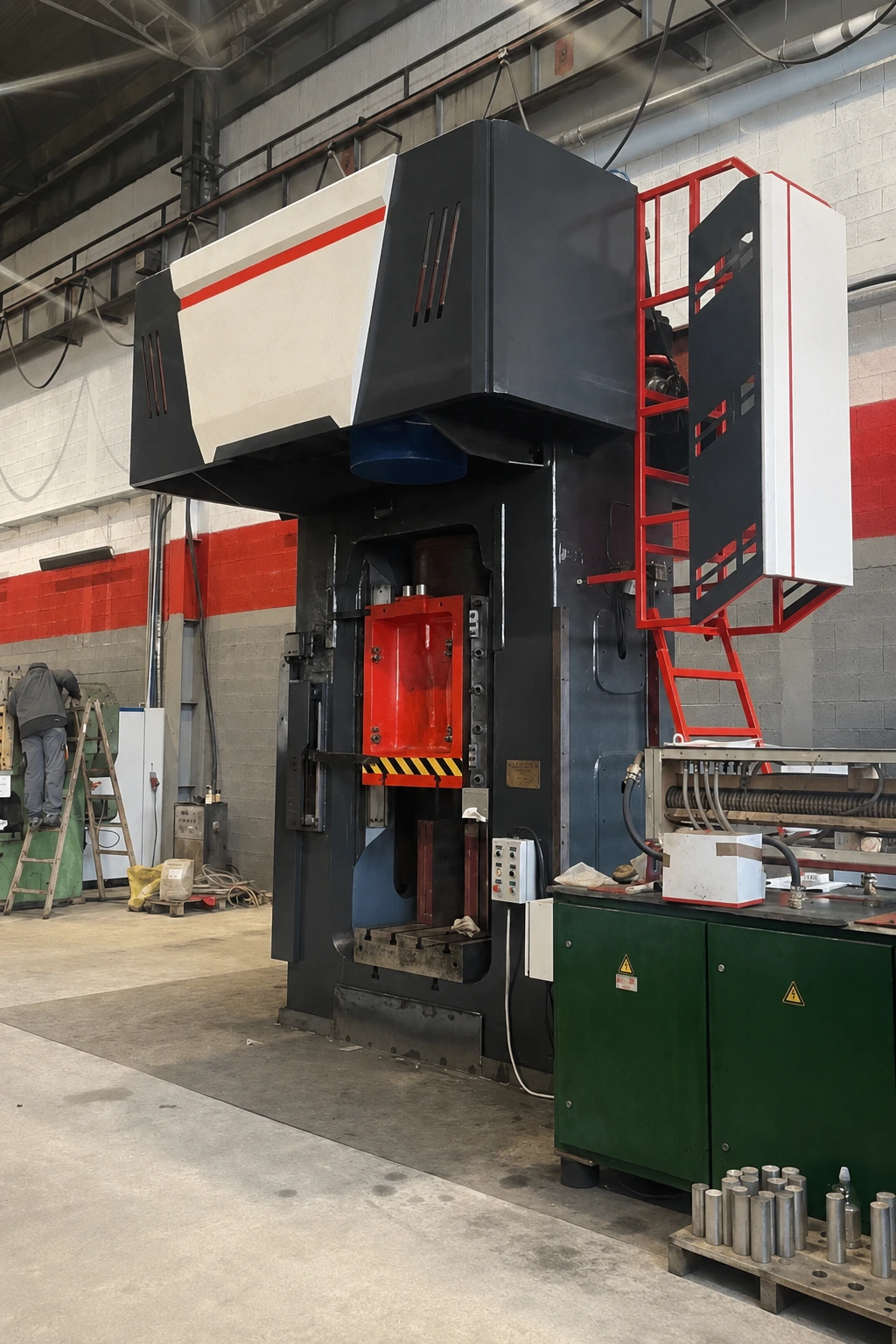
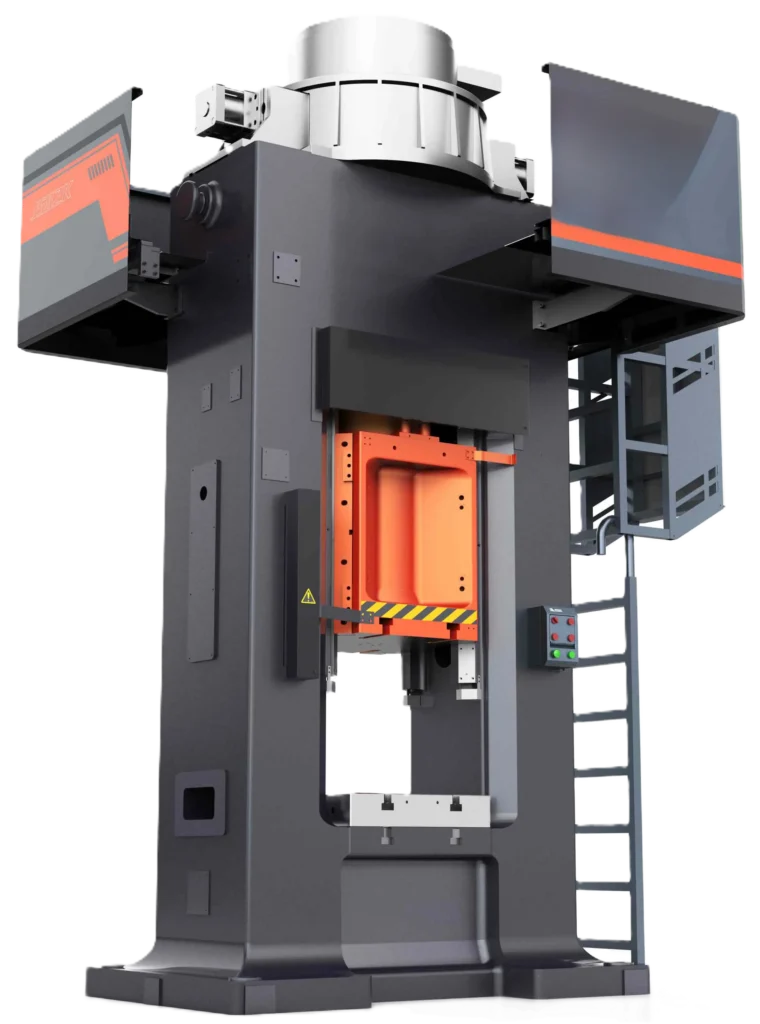
High-Precision Forging Press for Closed Die Forging

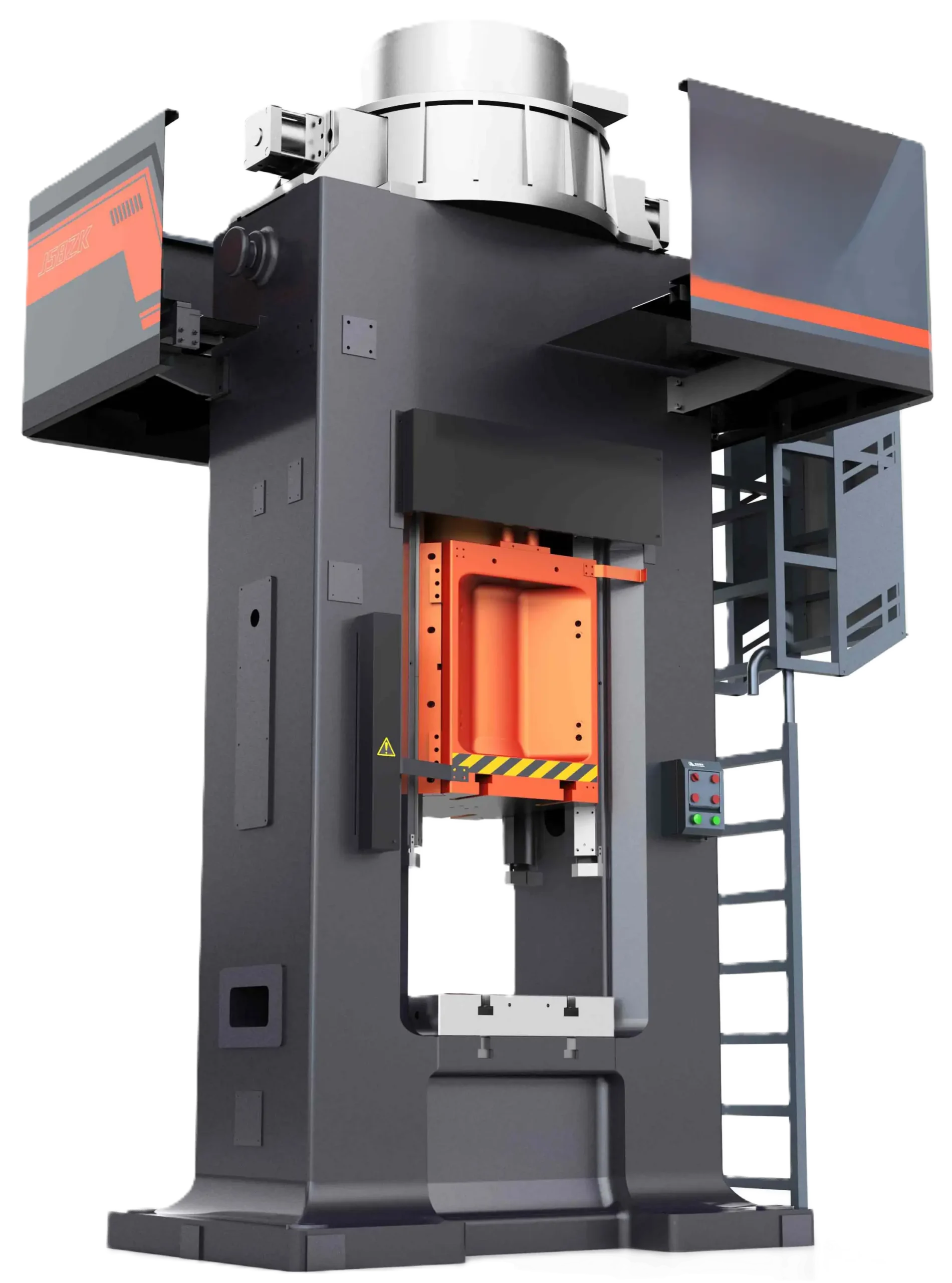
Electric Screw Press

Wiz Machinery supplies electric screw presses for hot forging, precision forging, sizing and closed die forging applications. Built for stable energy control, reliable production and automated forging lines.
Certification

Electric Screw Press for Precision Forging

High-accuracy closed die forging press for stable energy, longer die life and automated production.


Wiz Machinery supplies industrial electric screw presses for hot forging, precision forging, sizing, coining, embossing, calibration and leveling applications. Designed for controlled blow energy, rigid frame performance and reliable operation, our electric screw press is ideal for manufacturers producing automotive parts, machinery components, hardware, tools, brass parts, aluminum alloy parts and other forged metal products.


Whether you need a single forging press or a complete automated forging line, our engineering team can help you select the right press capacity, drive system, frame structure, die arrangement and auxiliary equipment for your production target.

Electric screw press for closed die forging

An electric screw press is widely used in closed die forging because it offers controlled forming energy, strong impact performance and stable repeatability. It is suitable for factories that need accurate forging results, reduced die stress and reliable production output.

This type of screw press forging machine is commonly used for:

  • Hot forging
  • Precision forging
  • Closed die forging
  • Sizing
  • Coining
  • Embossing
  • Calibration
  • Leveling
  • Non-ferrous metal forging
  • Automotive parts forging

For manufacturers producing medium and small forged components, the electric screw press offers a practical balance between forming force, control, production efficiency and machine durability.
Features

Accurate energy control

The forming energy can be adjusted according to the forging process, material and die requirement. This helps improve product consistency and reduce unnecessary stress on the forging die.

Stable forging performance

The machine is designed for repeatable forging operation, making it suitable for precision parts where dimensional consistency is important.

Strong frame rigidity

A rigid machine frame helps maintain alignment during forging and supports stable operation under industrial production conditions.

Longer die life

Controlled striking energy can help reduce excessive die impact, which supports longer die service life and lower tooling costs.

Suitable for automation

The electric screw press can be integrated with induction heating, robot loading, automatic feeding, die lubrication, trimming press and cooling systems.

Flexible production use

It can be used for steel forging, aluminium alloy forging, brass forging, copper forging and other metal forming applications.

Applications

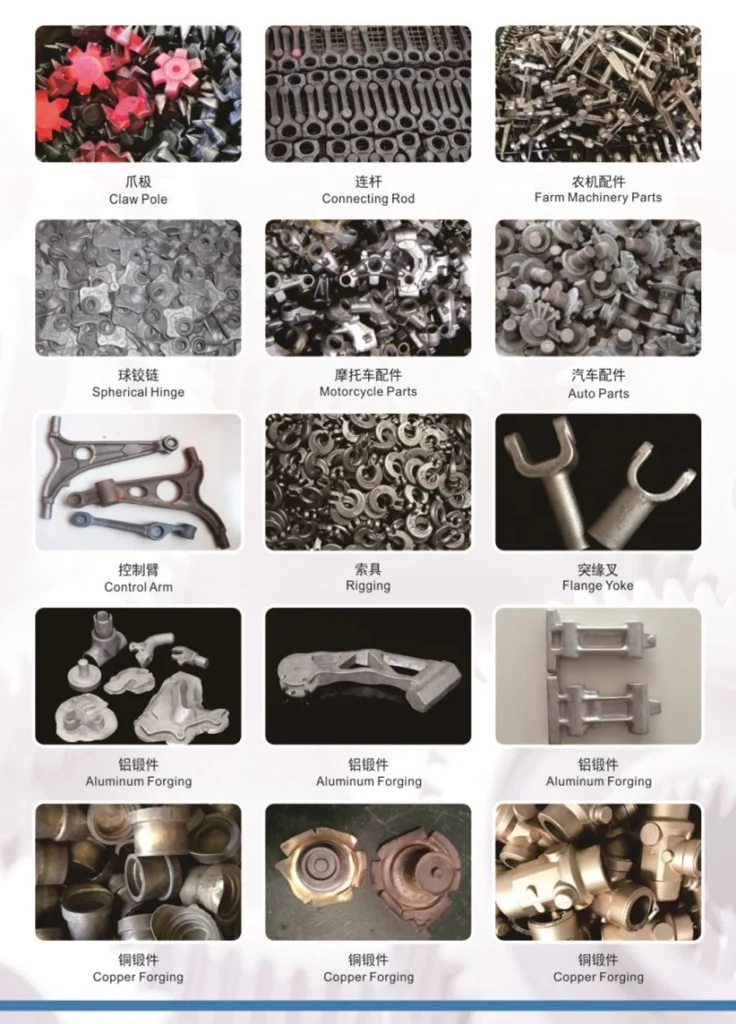
Wiz Machinery electric screw presses can be used to produce a wide range of forged components, including:

  • Automotive parts
  • Connecting rods
  • Control arms
  • Gear blanks
  • Flanges
  • Bearing parts
  • Hardware tools
  • Brass fittings
  • Aluminum alloy components
  • Copper alloy forgings
  • Machinery parts
  • Agricultural machinery parts
  • Motorcycle components
  • Industrial forged parts

If you are not sure which press capacity is suitable, send us your part drawing, material grade, billet size and required output. Our team can recommend a suitable electric screw press model and production line layout.
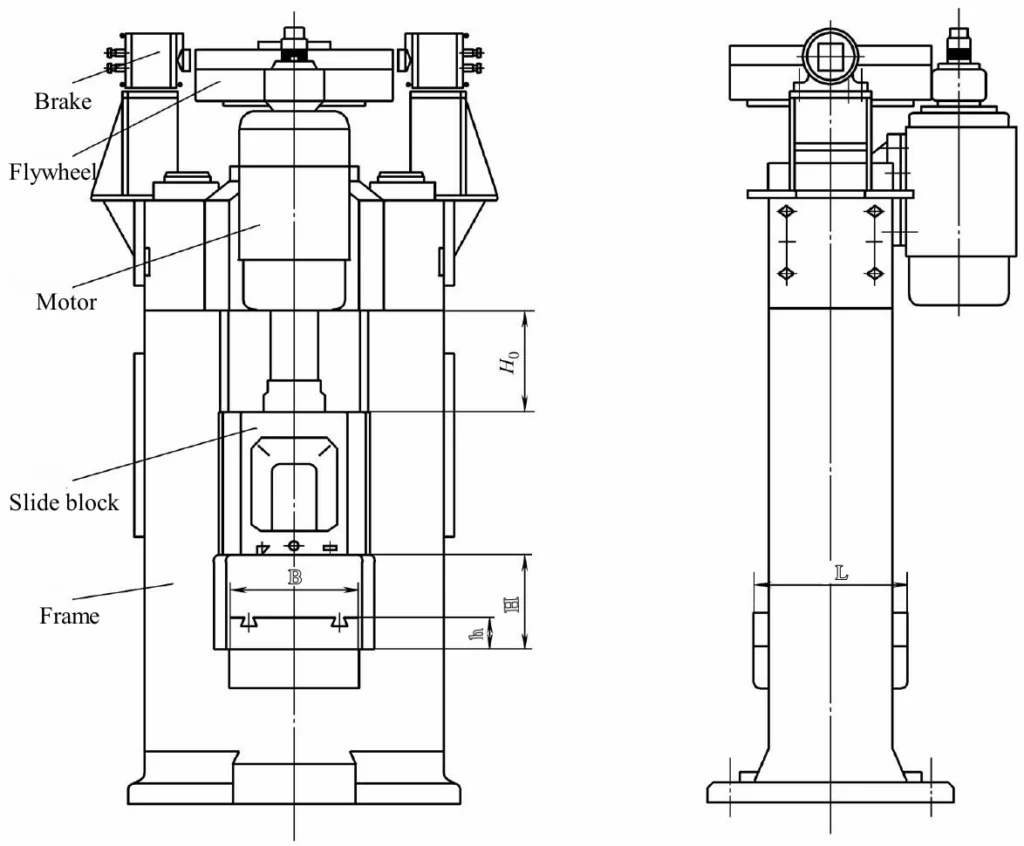
Process flow

1. Motor Drive Starts

The electric motor drives the transmission system and prepares the press for the forging stroke.

2. Screw Mechanism Moves the Slide

The motor-driven system rotates the screw mechanism, moving the slide up and down with controlled motion.

3. Energy Is Accumulated

During the downward stroke, forming energy is built up through the screw and transmission system.

4. Ram Applies Force to the Workpiece

The accumulated energy is released through the ram and die, forming the heated billet into the required shape.

5. Forming Energy Is Controlled

The forging energy can be preset according to the material, forging process and die requirement.

6. Motor Reverses After Forging

After the forming stroke, the motor reverses to lift the slide back to the preset position.

7. Slide Returns for the Next Cycle

The slide returns to the starting position, ready for the next forging operation.

7. Repeatable Forging Performance

Controlled energy and stroke help improve production consistency while reducing unnecessary impact on the die and machine structure.

Electric Screw Press Design Advantages

Design

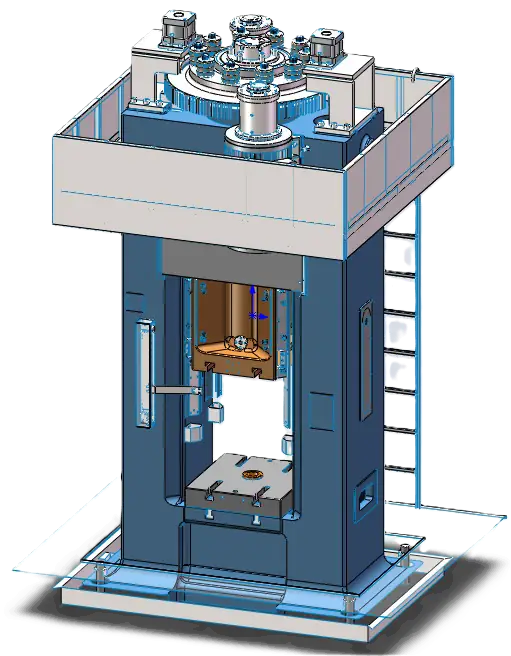
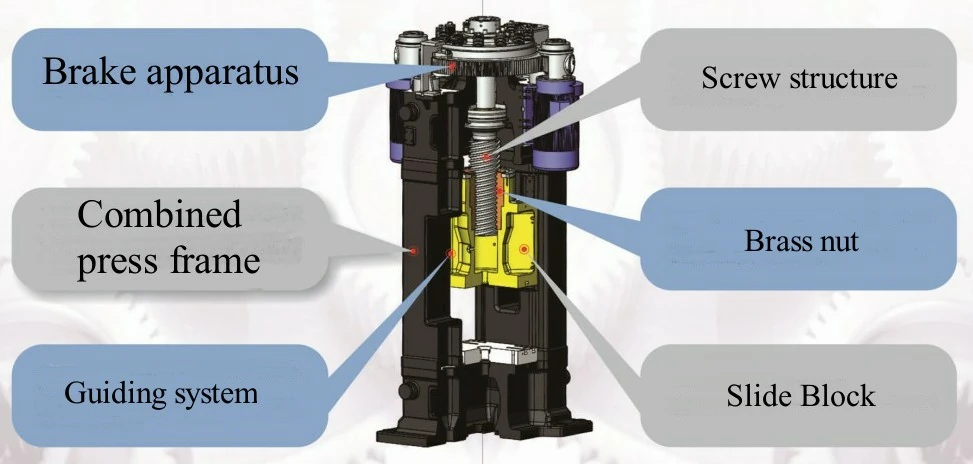
Our electric screw press is designed for stable forging performance, accurate energy control and long-term reliability in demanding hot forging and closed die forging applications. The machine combines a rigid frame structure, durable screw drive system, precision guiding system and reliable lubrication to support consistent production and longer die life.

Gear Drive System

The electric screw press uses a motor-driven gear transmission system to deliver controlled forming energy during each forging stroke. This design supports efficient power transfer, simple maintenance and reliable operation for continuous precision forging production. Different press capacities can be configured with suitable motor power according to the forging process, material and production requirement.

High-Strength Screw Structure

The screw is manufactured from high-strength alloy steel and designed for excellent fatigue resistance under repeated forging loads. A strong screw structure helps improve machine rigidity, reduce deformation and support stable energy transfer during closed die forging operations.

Wear-Resistant Nut

The press nut is made from durable bronze material and installed within the slide structure. This provides strong wear resistance and good sliding performance, helping the screw press forging machine maintain smooth movement and reliable operation over long production cycles.

Rigid Slide Block

The slide block is manufactured from high-grade cast steel and treated to relieve internal stress. This supports stable movement, accurate guiding and consistent forming results during hot forging, sizing, coining and calibration processes.

Precision Guiding System

The guiding system is designed to maintain stable clearance and accurate slide movement during forging. Adjustable guide plates help reduce guide rail clearance, while the rigid guiding structure supports improved forging accuracy, better die alignment and longer forging die service life.

Reliable Brake System

The brake system allows the press to stop safely and accurately during operation. This helps improve machine control, operator safety and production reliability in industrial forging press applications.

Low-Maintenance Drive Unit

The drive unit is designed for reliability and ease of maintenance. A robust motor and transmission arrangement supports stable reversing movement of the slide, helping the electric screw forging press operate efficiently in demanding production environments.

Lubrication Circulation System

A dedicated lubrication circulation system continuously supplies oil to key moving parts, including the screw thrust bearing and guiding areas. Stable lubrication helps reduce wear, improve service life and maintain smooth press operation.

High-Rigidity Press Frame

The press frame is designed to provide strong rigidity and stable support during forging. For larger press models, a combined frame structure can make transportation and installation easier while maintaining high strength and operational stability. This helps the electric screw press perform reliably in heavy-duty forging machinery applications.

Built for Industrial Forging Production

With controlled energy, strong mechanical structure and automation compatibility, our electric screw press is suitable for producing automotive parts, machinery components, hardware tools, aluminium alloy parts, brass fittings and other forged metal products.

Electric screw press technical specifications

Specification Unit WM-ESP-160 WM-ESP-250 WM-ESP-315 WM-ESP-400 WM-ESP-630 WM-ESP-1000 WM-ESP-1600 WM-ESP-2500 WM-ESP-4000 WM-ESP-6300 WM-ESP-8000 WM-ESP-10000
Nominal Force kN 1600 2500 3150 4000 6300 10000 16000 25000 40000 63000 80000 100000
Maximum Working Force kN 2500 4000 5000 6300 10000 16000 25000 40000 63000 100000 125000 160000
Maximum Forging Energy kJ 10 15 20 40 80 160 280 500 1000 1600 2300 3600
Slide Stroke mm 300 320 380 400 450 500 600 630 750 850 850 1000
Theoretical Strokes min-1 30 28 26 20 19 18 15 14 10 10 9 8
Minimum Enclosed Height mm 500 500 550 570 720 750 960 1050 1460 1720 1800 2160
Thickness of Sow Block mm 120 120 120 120 160 180 220 250 300 320 320 360
Enclosed Height Range mm 380 380 430 450 560 570 740 800 1160 1400 1480 1800
Worktable Size Width × Depth mm 600 × 560 600 × 560 700 × 640 750 × 730 820 × 900 920 × 1050 1000 × 1280 1200 × 1400 1600 × 1900 2100 × 1750 2200 × 2000 2800 × 2000
Application Scope Forging Process: Hot forging, closed die forging, precision forging, sizing, coining, calibration and leveling
Suitable Materials: Carbon steel, alloy steel, aluminium alloy, brass, copper alloy and other forgeable metals
Typical Products: Automotive parts, machinery components, hardware tools, brass fittings, aluminium alloy parts and forged metal products
Note The above technical specifications are for reference only and may vary depending on machine configuration, forging material, die design and project requirements.

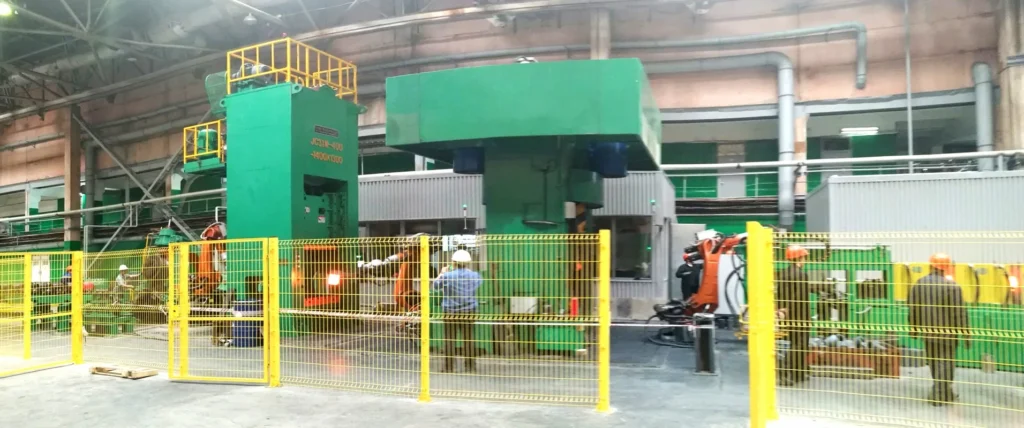
Complete electric screw press forging line

For high-volume production, Wiz Machinery can supply more than the press itself. We can design a complete forging production line around your part and target output.

A typical automated line may include:

  1. Billet cutting machine
  2. Induction heating furnace
  3. Feeding or transfer robot
  4. Electric screw press
  5. Die lubrication system
  6. Trimming press
  7. Cooling conveyor
  8. Inspection station
  9. Control and safety system

This makes the electric screw press suitable not only as a standalone forging machine, but also as the core equipment in a modern automated forging production line.
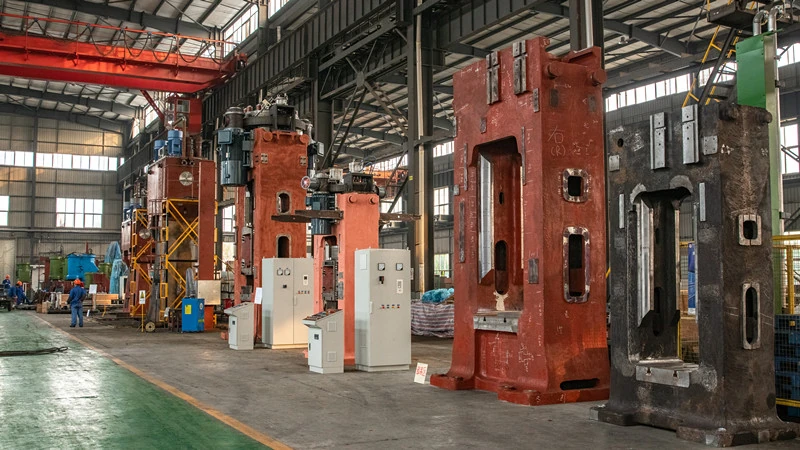
Electric screw press vs power hammer

An electric screw press is usually better for closed die forging, precision forging, sizing and repeatable production. A power hammer is more commonly used for open die forging, drawing out, upsetting and flexible hammering operations.

If your goal is accurate closed die forging and consistent part production, an electric screw press is usually the better choice. If your goal is open die forging or general blacksmith-style hammering work, a power hammer may be more suitable.
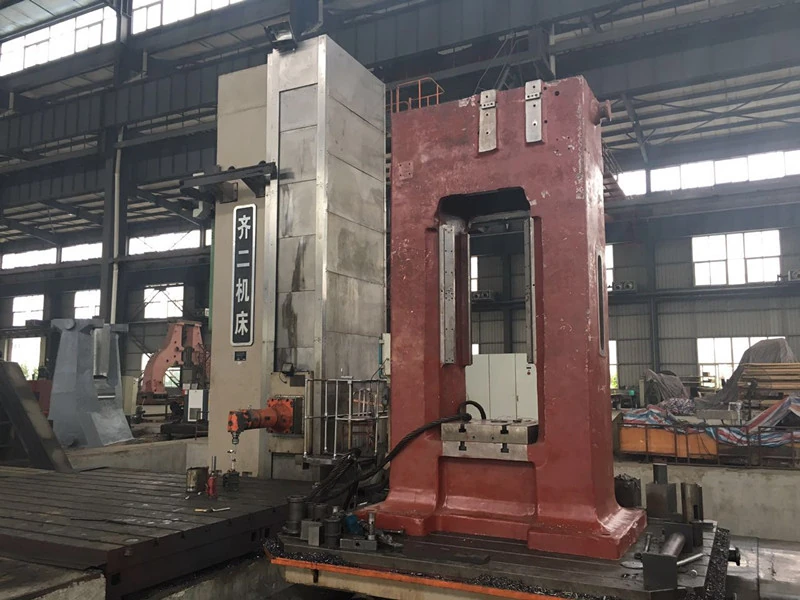

Electric screw press production site 2

First ever packaging machine questionnaire

Which machine do you need?

Take our quick questionnaire to discover which bagging machine fits your needs. For an exact match and pricing, a detailed quote will be required.

FAQ

What is an electric screw press?

An electric screw press is a forging machine that uses an electric drive and screw mechanism to deliver controlled forming energy for hot forging, precision forging, closed die forging, sizing and calibration.

What is an electric screw press used for?

It is used to produce forged metal parts such as automotive components, machinery parts, tools, hardware, brass fittings, aluminium alloy components and steel forgings.

Is an electric screw press suitable for closed die forging?

Yes. Electric screw presses are widely used for closed die forging because they provide controlled energy, repeatable performance and stable forming results.

Can an electric screw press forge aluminium and brass?

Yes. Electric screw presses can be suitable for aluminium alloy forging, brass forging, copper alloy forging and other non-ferrous metal forging applications.

What is the difference between an electric screw press and a power hammer?

An electric screw press is generally used for closed die forging and precision forging. A power hammer is generally used for open die forging and hammering operations.

Can the machine be used in an automated forging line?

Yes. It can be integrated with induction heating, robot loading, trimming press, die lubrication and cooling systems.

How do I choose the right electric screw press size?

The right model depends on the material, part size, billet weight, forging process, die design and required production output.

How do I choose the correct machine capacity?

Machine capacity depends on the material strength, forging temperature, workpiece size, die contact area, part complexity, and required forming depth. Choosing a machine that is too small may cause incomplete forming, while an oversized machine may increase cost unnecessarily. A technical evaluation is usually recommended before purchase.

Can the machine improve production efficiency?

Yes. The right forging machinery can improve production speed, product consistency, material utilization, and operator safety. Automated feeding, CNC control, quick die change systems, and integrated production lines can further improve efficiency and reduce labor costs.

Is operator training provided?

Operator training can usually be provided for machine operation, safety procedures, daily maintenance, troubleshooting, and production process control. Proper training helps improve machine performance, reduce downtime, and extend equipment service life.

What maintenance is required for forging machinery?

Regular maintenance may include lubrication, hydraulic system inspection, electrical checks, fastener tightening, guide rail inspection, die area cleaning, and safety system testing. The exact maintenance schedule depends on the machine type, working environment, and production intensity.

How long is the service life of forging machinery?

With proper installation, operation, and maintenance, industrial forging machinery can have a long service life. The actual lifespan depends on machine quality, workload, maintenance frequency, spare parts availability, and operating conditions.

Do you provide spare parts and technical support?

Spare parts and technical support are important for long-term machine operation. Common support may include wearing parts, hydraulic components, electrical parts, remote troubleshooting, operation guidance, and maintenance advice.

Can the machine be installed in my existing factory?

In many cases, forging machinery can be installed in an existing factory, but the foundation, power supply, crane capacity, working space, ventilation, and production flow should be checked first. Some machines may require a special foundation or layout adjustment.

What should I consider before buying forging machinery?

Before buying forging machinery, consider your product type, production volume, material, required accuracy, budget, available space, power supply, labour level, automation needs, and future expansion plans. Choosing the right machine from the beginning can reduce production problems and long-term costs.

Can one machine produce different forged parts?

Yes, many forging machines can produce different parts by changing dies, tooling, process parameters, or auxiliary equipment. However, the range of parts depends on the machine capacity, working area, stroke, control system, and forming process.

How do I request a quotation?

To request a quotation, provide your product drawings, material details, part weight, production requirements, preferred machine type if known, and any automation needs. The more details you provide, the more accurate the machine recommendation and quotation will be.