
Powerful hydraulic hammer for precision closed die forging.
Fully Hydraulic Closed Die Forging Hammer
A fully hydraulic closed die forging hammer designed for hot forging, impression die forging and repeatable production of high-strength metal components.
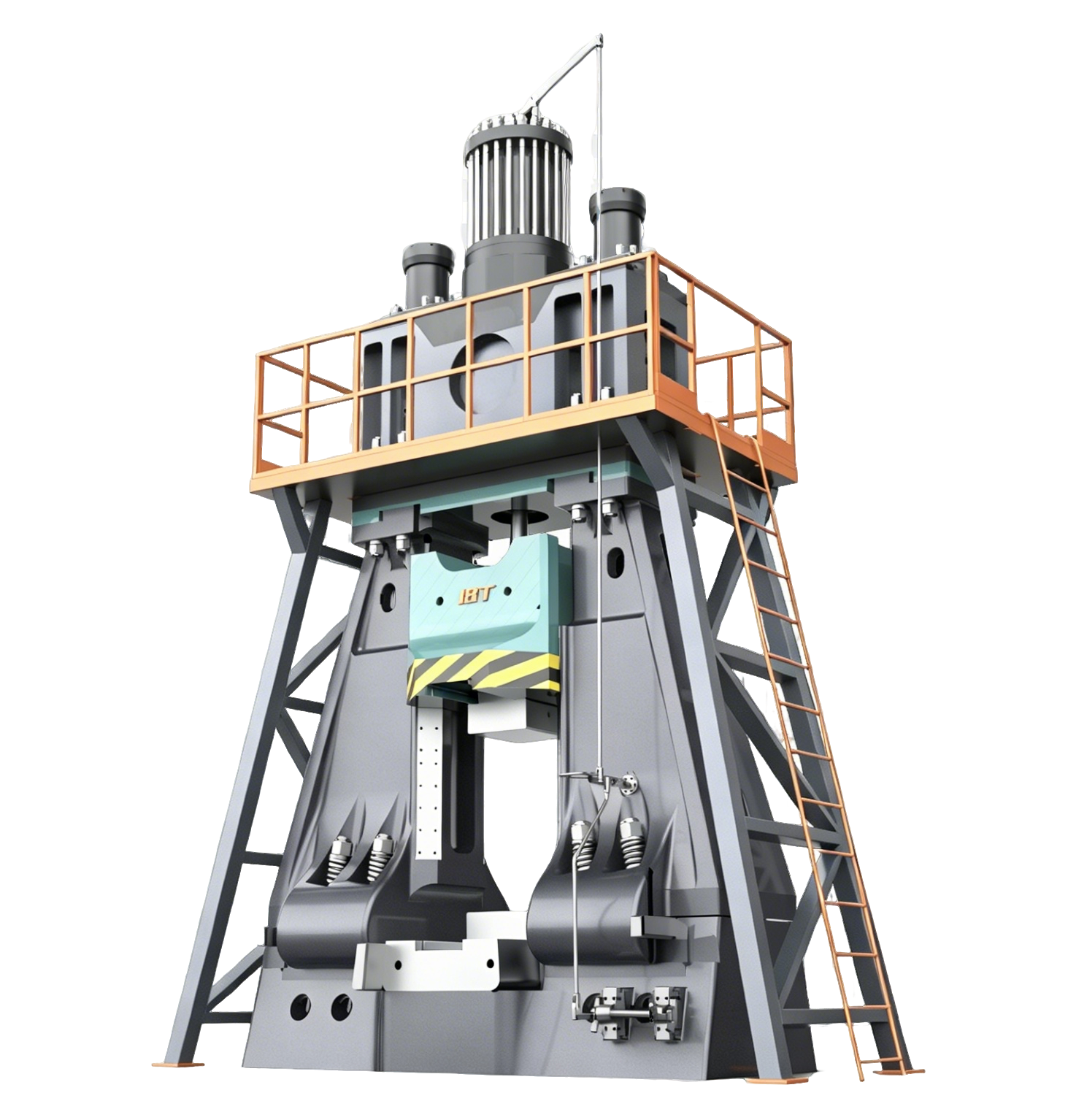
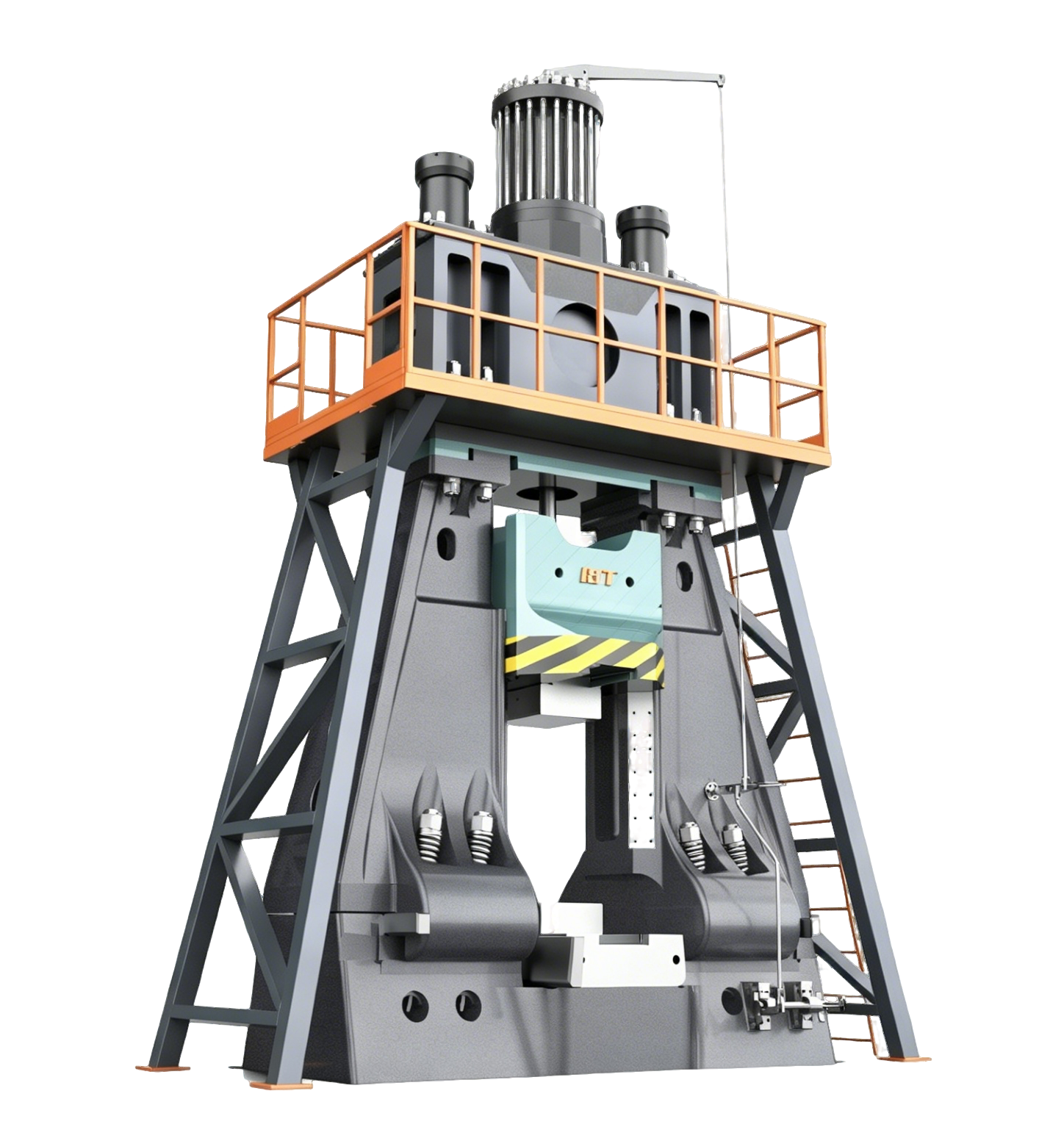

Hydraulic Closed Die Forging Hammer for Reliable Hot Forging Production
The fully hydraulic closed die forging hammer is built for manufacturers that need powerful impact energy, stable operation and consistent closed die forging results. It is suitable for producing forged parts from carbon steel, alloy steel, stainless steel, aluminium alloy, brass, copper and other forgeable metals.
This machine is used for closed die forging, impression die forging, preforming, final forging, sizing and calibration. It is commonly selected for automotive parts, agricultural machinery components, hand tools, hardware fittings, engineering machinery parts, brackets, connecting rods, gear blanks and precision forged components.
With hydraulic control for both lifting and striking, the hammer provides strong impact performance without relying on a traditional steam or compressed-air system. The result is a cleaner, more compact and easier-to-control forging solution for modern forging workshops and production lines.
Why Choose a Fully Hydraulic Closed Die Forging Hammer?
A closed die forging hammer is ideal when the forged part needs to fill a shaped die cavity quickly and repeatedly. The high-speed impact helps material flow into the die impression, making it suitable for high-volume forged parts with demanding strength and shape requirements.
Compared with older hammer systems, a fully hydraulic structure helps improve operating control, reduce dependency on external air supply and support more stable forging performance. For buyers planning a new forging line or replacing older equipment, this type of hammer can be configured around the required blow energy, forged part size, die design, production rhythm and automation level.
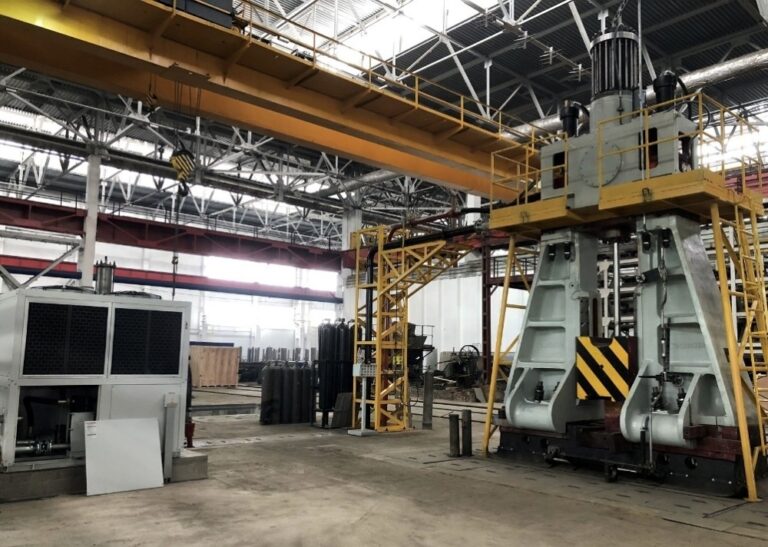
Features
Hydraulic Drive System
Closed Die Forging Structure
Strong Ram and Guide Design
Adjustable Blow Energy
High Blow Frequency
Wide Model Range
Practical Maintenance Access
Suitable for Forging Lines
Custom Project Configuration
Applications
The fully hydraulic closed die forging hammer is widely used for producing high-strength automotive forgings where repeatable shape accuracy, material strength and production efficiency are important. It is suitable for components such as connecting rods, brackets, gear blanks, shafts, steering parts, suspension parts and other hot forged parts used in vehicle manufacturing.
In the tool and hardware forging industry, the machine is used for producing durable forged products such as spanners, pliers, hammer heads, clamps, fittings and fastener-related parts. The fast impact action and closed die structure help the heated metal flow into the die cavity, making it suitable for batch production of consistent impression die forged components.
The machine is also suitable for agricultural machinery parts and engineering machinery components, including forged blades, brackets, joints, couplings, wear-resistant parts and heavy-duty industrial fittings. For factories producing parts for construction equipment, mining machinery, oil and gas equipment or general industrial machinery, the hydraulic closed die forging hammer provides a practical solution for strong, repeatable and efficient hot closed die forging production.
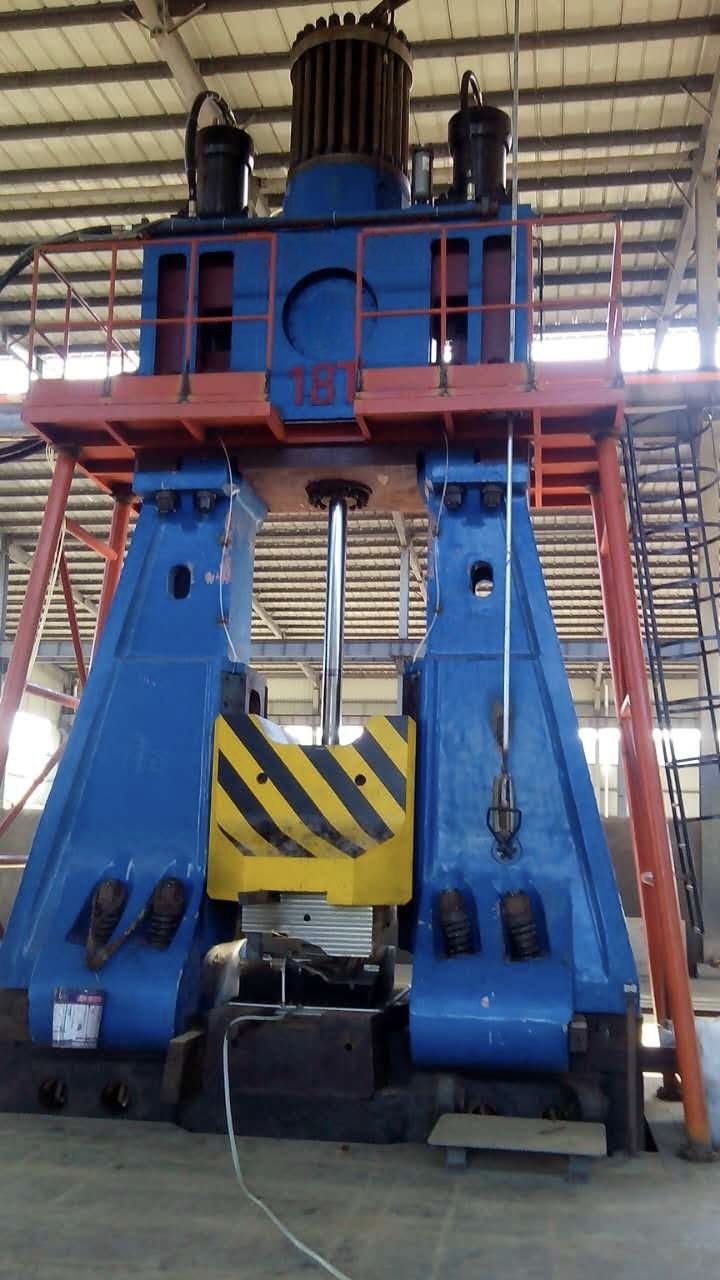
Key Benefits
Higher Forging Efficiency
Consistent Part Forming
Suitable for Many Materials
Reduced Production Dependence
Flexible Production Use
Strong Application Coverage
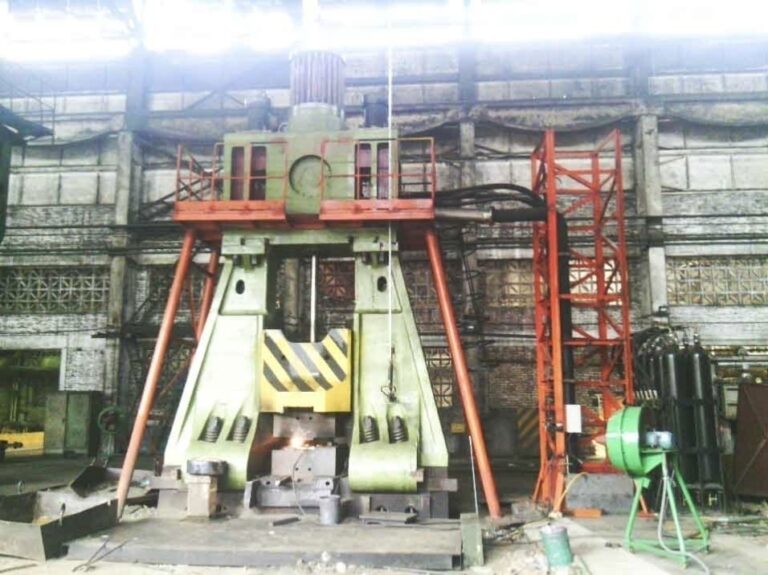
Process flow
1. Billet Cutting
2. Billet Heating
3. Descaling
4. Preforming
5. Closed Die Forging
6. Trimming and Finishing
Technical specifications
| Specification | Unit | WM-25 | WM-50 | WM-75 | WM-125 | WM-200 | WM-250 | WM-400 | WM-450 | WM-500 | WM-630 |
|---|---|---|---|---|---|---|---|---|---|---|---|
| Blow Energy | kJ | 25 | 50 | 75 | 125 | 200 | 250 | 400 | 450 | 500 | 630 |
| Ram Weight | kg | 1000 | 2000 | 3000 | 5000 | 8000 | 10000 | 16000 | 18000 | 20000 | 25000 |
| Max. Stroke | mm | 1000 | 1200 | 1250 | 1300 | 1350 | 1400 | 1500 | 1500 | 1500 | 1700 |
| Min. Die Height | mm | 220 | 260 | 350 | 400 | 430 | 450 | 500 | 500 | 500 | 500 |
| Blow Frequency | min-1 | 55–70 | 55–70 | 55–70 | 55–65 | 55–65 | 50–60 | 45–55 | 40–50 | 35–40 | 35–40 |
| Main Motor Power | kW | 55 | 55 | 55 | 55 | 75 | 75 | 75 | 75 | 75 | 75 |
| Motor/Oil Pump Number | pc | 1 | 2 | 3 | 4 | 5 | 6 | 8 | 9 | 10 | 10 |
| Distance Between Guides | mm | 540 | 600 | 700 | 740 | 900 | 1000 | 1200 | 1200 | 1200 | 1300 |
| Ram/Die Holder Depth | mm | 550/700 | 630/900 | 800/1000 | 950/1160 | 1100/1260 | 1200/1400 | 2000/2100 | 2000/2100 | 2100/2200 | 2200/2300 |
| Machine Size | mm | 2380 × 1200 × 6100 | 2960 × 1500 × 6500 | 3300 × 1500 × 6900 | 3700 × 1920 × 7300 | 4300 × 2100 × 7700 | 4400 × 2200 × 8000 | 4500 × 2200 × 8500 | 4500 × 2500 × 8500 | 4700 × 2900 × 8700 | 5500 × 2900 × 9500 |
| Application Scope | Forging Process: Closed die forging, impression die forging, hot forging, preforming, final forging, sizing and calibration Suitable Materials: Carbon steel, alloy steel, stainless steel, aluminium alloy, brass, copper and other forgeable metals Typical Products: Automotive parts, hand tools, hardware components, agricultural machinery parts, engineering machinery parts, gear blanks, connecting rods, brackets, fittings and precision forged components | ||||||||||
| Note | The above fully hydraulic closed die forging hammer technical parameters are for reference only. Final specifications may vary depending on machine configuration, forged part size, material, die design, automation requirements and project conditions. | ||||||||||
For accurate model selection, please send your workpiece size, material, forging temperature, required process and expected production output. Wiz Machinery can help match the hammer capacity to your application.
Machine Selection Guidance
Choosing the correct hydraulic closed die forging hammer depends on the forged part weight, projected area, material grade, die cavity depth, required deformation, production volume and available workshop space. A smaller hammer may be suitable for hand tools and small hardware parts, while larger models are required for heavy automotive, engineering machinery and industrial forgings.
For a more accurate recommendation, prepare the forged part drawing, material, billet size, target production capacity, die size and current forging process. These details help match the blow energy, ram weight, stroke, guide distance and die holder depth to the actual production requirement.
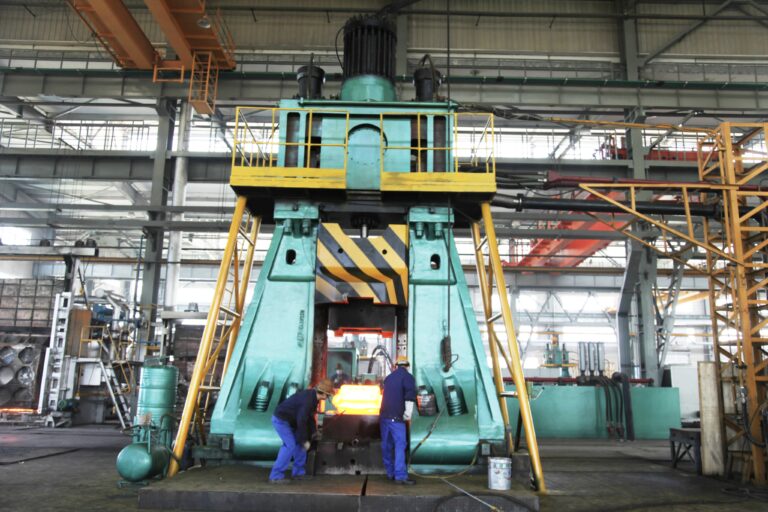
Optional Forging Line Equipment
Induction Heating Furnace
Used to heat billets quickly and consistently before forging, helping support continuous production.
Billet Cutting Machine
Cuts raw bar material into repeatable billet sizes before heating and forging.
Descaling Machine
Removes oxide scale from heated billets before forging to help protect dies and improve surface quality.
Forging Manipulator
Assists with handling heavier billets and forged parts during the forging process.
Trimming Press
Removes flash from closed die forged parts after the main forging operation.
Cooling and Finishing Equipment
Can be added for post-forging handling, cooling, shot blasting or preparation before machining.
First ever packaging machine questionnaire
Which machine do you need?
Take our quick questionnaire to discover which machine fits your needs. For an exact match and pricing, a detailed quote will be required.