
Reliable forging machinery for blacksmiths, workshops and industrial production lines.

Forging Machinery, Power Hammers & Presses

Wiz Machinery supplies a complete range of forging machinery, including power hammers, pneumatic forging hammers, hydraulic forging presses, closed die forging machines, open die forging equipment, manipulators and forging line equipment.

Complete Forging Machinery for Workshops and Production Lines

Wiz Machinery supplies a complete range of forging machinery for blacksmiths, workshops and industrial production lines, including power hammers, forging presses, manipulators and supporting forging line equipment.

Choosing the right forging machine depends on your material, billet size, production volume, workshop space, forging process and required output. A blacksmith or bladesmith may need a compact power hammer for shaping hot steel, while a factory may require a hydraulic forging press, closed die forging machine, open die forging hammer, manipulator and supporting equipment for a full forging production line.

Wiz Machinery helps customers select the right forging equipment for their workshop or production line, with clear guidance on machine type, specification, application and quotation support.

Power Hammers

Power hammers are used for blacksmithing, bladesmithing, hot forging and workshop. They deliver repeated hammer blows to shape heated metal quickly and efficiently.

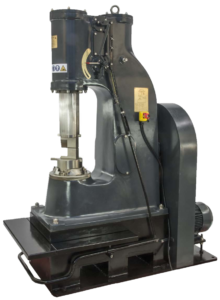
Pneumatic Hammer black
Pneumatic Forging Hammer / Power Forging Hammer
Pneumatic forging hammers are used for blacksmithing, hot forging, drawing out, shaping and open die forging work. They are suitable for workshops, bladesmiths and industrial users needing repeated hammer blows with reliable control.
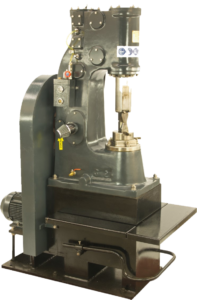
Power Hammer for Blacksmith
A blacksmith power hammer is designed for blacksmiths, bladesmiths, knife makers and metal craft workshops. It helps shape heated steel faster than hand forging, making it ideal for blacksmithing, bladesmithing, tool making and art forging.
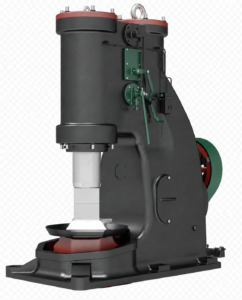
Pneumatic Forging Hammer Forge Balls
Pneumatic Forging Hammer for Forged Balls
A pneumatic forging hammer for forged balls is used in the production of forged steel balls for mining, cement, power stations and grinding media applications. It supports efficient hot forging of steel balls for heavy industrial use.
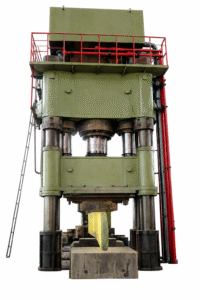
Hydraulic Forging Presses

Hydraulic forging presses apply controlled pressure to shape heated metal with accuracy and repeatability. They are suitable for alloy steel, stainless steel, high alloy steel and heavy industrial forging applications.

Hydraulic Open Die Forging Press
A hydraulic open die forging press uses controlled hydraulic pressure to shape heated metal between dies. It is suitable for open die forging, alloy steel, stainless steel, shafts, discs, rings and heavy-duty industrial forged parts.
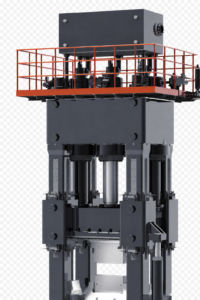
Fast Speed Forging Hydraulic Press
A fast speed forging hydraulic press is especially designed for efficient hot forging and high-speed metal forming. It provides the user calculated controlled pressure, faster production cycles and repeatable forging results.
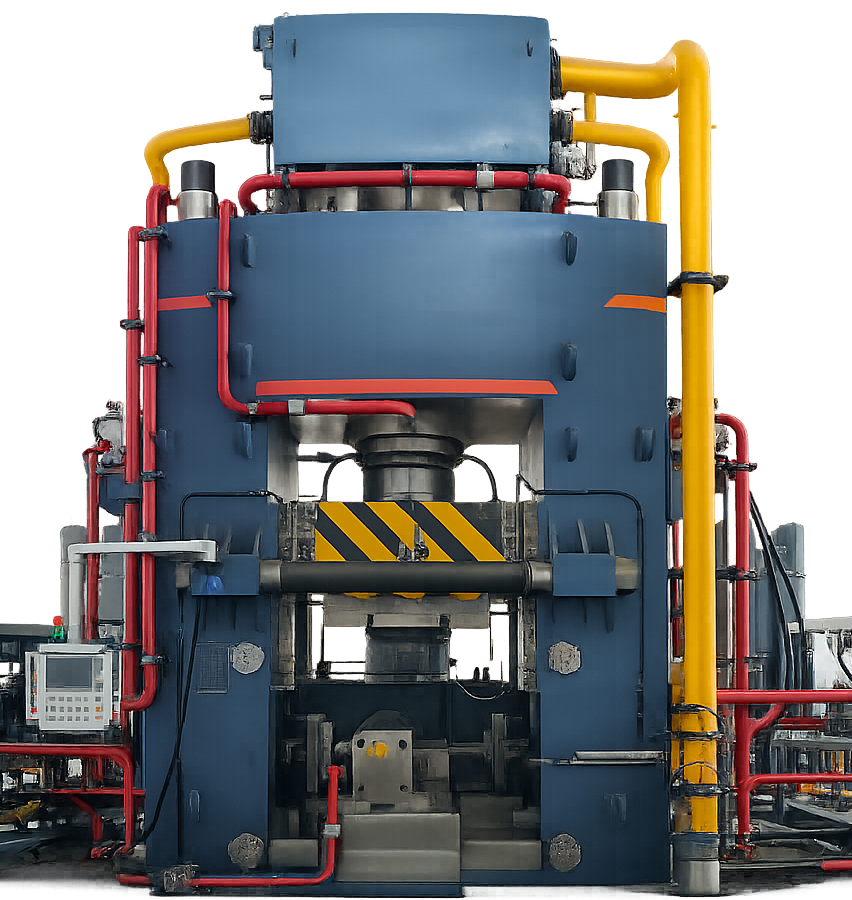
Flexible Multi-Directional Forging Hydraulic Press
A multi-directional forging hydraulic press applies pressure from more than one direction, producing complex forged parts with improved material flow. Suitable for precision forging, closed die forging and demanding industrial applications.
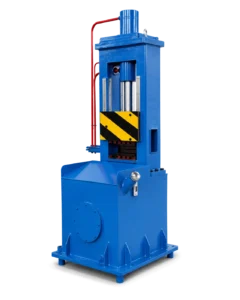
blacksmith_hydraulic_press_blue_no_bg
Hydraulic Press for Blacksmith
A hydraulic press for blacksmiths is used for controlled pressing, bending and forming hot steel. Suitable for blacksmithing, bladesmithing, knife making and small workshop forging where steady force is preferred over hammer impact.
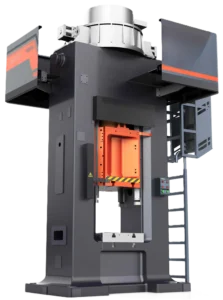
Electric Screw Presses

Electric screw presses are used for controlled hot forging, precision forming and closed die forging where energy control, repeatability and production efficiency are important.

Electric Screw Press
An electric screw press is a compact and efficient forging press used for closed die forging, hot forming and precision forging. It is suitable for repeat production where controlled energy, simple operation and reliable performance are important.
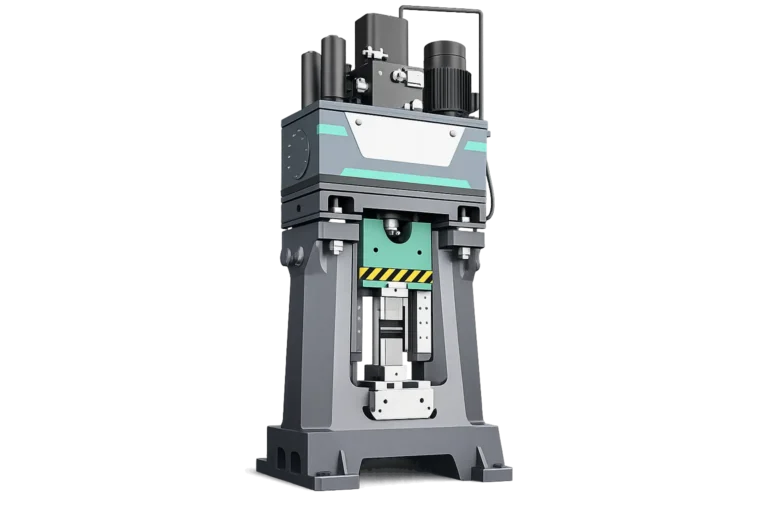
Closed Die Forging Machines

Closed die forging machines form heated metal inside shaped dies to produce accurate, repeatable and high-strength forged parts for industrial production.

CNC Hydraulic Closed Die Forging Hammer
A CNC hydraulic closed die forging hammer is used for accurate, repeatable closed die forging. It is suitable for automotive parts, motorcycle components, hardware, hand tools, stainless steel products and other high-strength forged components.
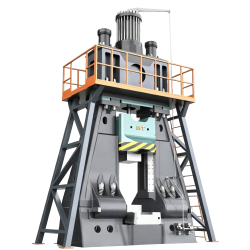
Fully Hydraulic Closed Die Forging Hammer
A fully hydraulic closed die forging hammer is designed for impression die forging and repeat production of shaped forged parts. It is suitable for manufacturers needing strong impact energy, reliable operation and consistent forging quality.
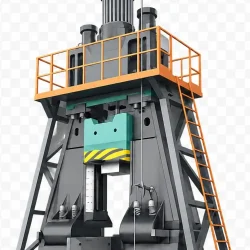
Hydraulic Forging Hammer Power Head
A hydraulic forging hammer power head is used to upgrade or convert older forging hammers. It can help improve energy efficiency, reduce operating costs and modernise existing forging hammer equipment for continued production use.
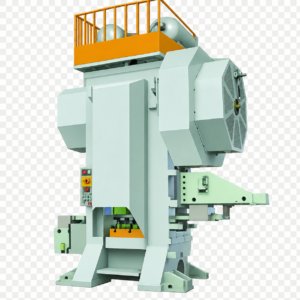
hot die forging press
Hot Die Forging Press
A hot die forging press is used for high-temperature forming of metal inside dies. It is suitable for closed die forging, precision forged parts, automotive components, hardware and repeat industrial production.
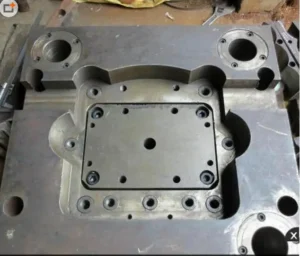
Multifunctional Prestress Insert Die Frame
A prestress insert die frame is used with forging presses to support die tooling and improve production flexibility. It is suitable for hot die forging, screw press applications and closed die forging operations requiring adaptable die systems.
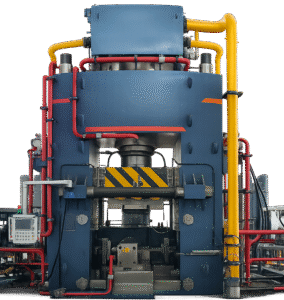
Flexible Multi-Directional Forging Hydraulic Press
Flexible multi-directional forging hydraulic presses suit complex closed die forging where multi-directional force, accurate forming and improved material flow are required.
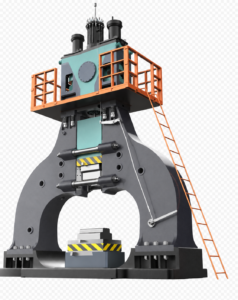
Open Die Forging Machines

Open die forging machines shape heated metal between flat or simple dies. They are suitable for larger components, custom forged parts, shafts, rings, discs and heavy-duty industrial applications where flexibility is needed.

Fully Hydraulic Open Die Forging Hammer
A fully hydraulic open die forging hammer is used for shaping large heated workpieces between open dies. It is suitable for open die forging, shafts, rings, discs, heavy forgings and industrial metal forming applications.
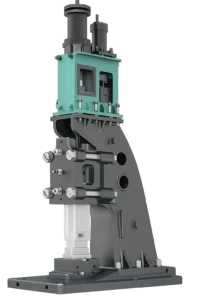
Hydraulic C Type Open Die Forging Hammer
A hydraulic C type open die forging hammer is a single-arm forging hammer used for flexible open die forging. It is suitable for workshops and forging plants producing medium to large forged components.
Pneumatic Hammer black
Pneumatic Forging Hammer / Power Forging Hammer
A pneumatic power forging hammer is suitable for both workshop and industrial open die forging. Smaller models are commonly used by blacksmiths, while larger models support heavier hot forging and production work.
Hydraulic Open Die Forging Press
A hydraulic open die forging press is used to form heated metal under controlled pressure. It is suitable for open die forging, alloy steel, stainless steel, heavy shafts, discs, rings and custom forged parts.
Fast Speed Forging Hydraulic Press
A fast speed forging hydraulic press is suitable for industrial open die forging where faster pressing cycles and controlled hydraulic force are required. It helps improve productivity while maintaining forging consistency.
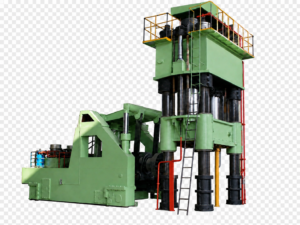
Forging Manipulators & Chargers

Forging manipulators and charging manipulators are used to hold, rotate, move and position hot workpieces during forging, improving safety and production efficiency.

CNC Forging Manipulator
A CNC forging manipulator is used to clamp, move, rotate and position hot workpieces during forging. It is suitable for use with hydraulic forging presses, open die forging hammers and heavy forging production lines.
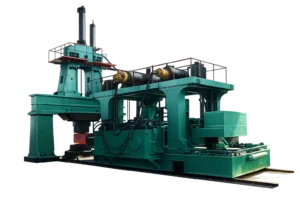
Frame Type Forging Manipulator
A frame type forging manipulator supports the handling and rotation of hot billets or forged parts during production. It is suitable for open die forging, heavy forging and controlled workpiece movement in industrial forging workshops.
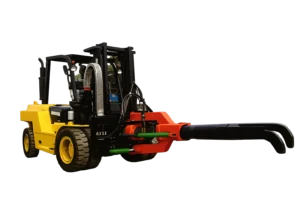
Mobile Charging Manipulator For Forging
Mobile Charging Manipulator for Forging
A mobile charging manipulator is used for loading, charging and transporting workpieces. It is suitable for furnace loading, forging line handling and improving workshop safety.
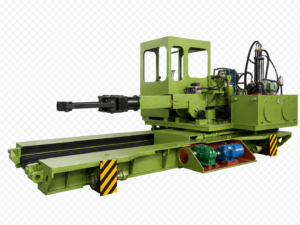
ZHJ Rail Bound Charging Manipulator
A rail bound charging manipulator moves along rails to transport ingots, billets, discs and rings in forging plants. It is suitable for open die forging, ring mills, furnace charging and heavy material handling.
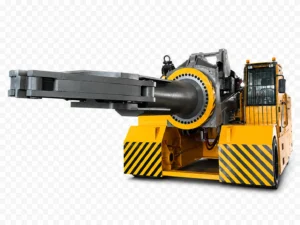
Self-driven trackless loading and unloading machine
Self-Driven Trackless Loading and Unloading Machine
A trackless loading and unloading machine is used to move and position workpieces without fixed rails. It supports flexible material handling for forging workshops, production lines and heavy-duty industrial operations.
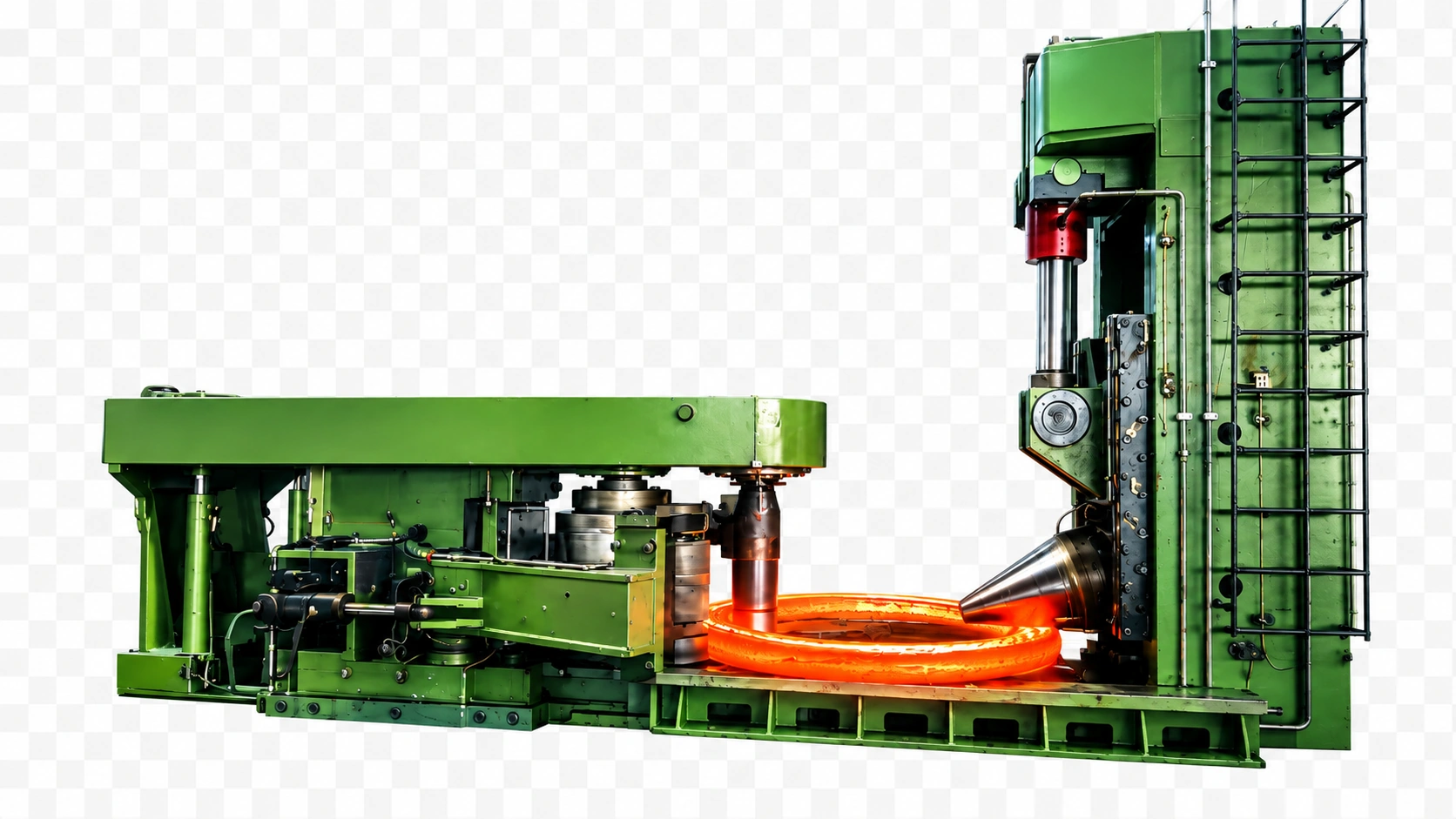
Ring Rolling Machines

Ring rolling machines produce seamless forged rings for bearings, flanges, gear blanks, railway parts, wind power components and heavy machinery applications.

CNC Ring Rolling Machine
A CNC ring rolling machine is used to produce large seamless forged rings with controlled dimensions. It is suitable for bearing rings, flanges, wind power parts, railway components and heavy machinery applications.
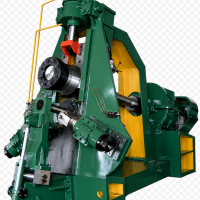
Vertical Ring Rolling Machine
A vertical ring rolling machine is used for producing seamless rings, bearing outer rings, gear blanks, pipe flanges and industrial ring components. It is suitable for machinery, automotive, railway, shipbuilding, petroleum and energy sectors.
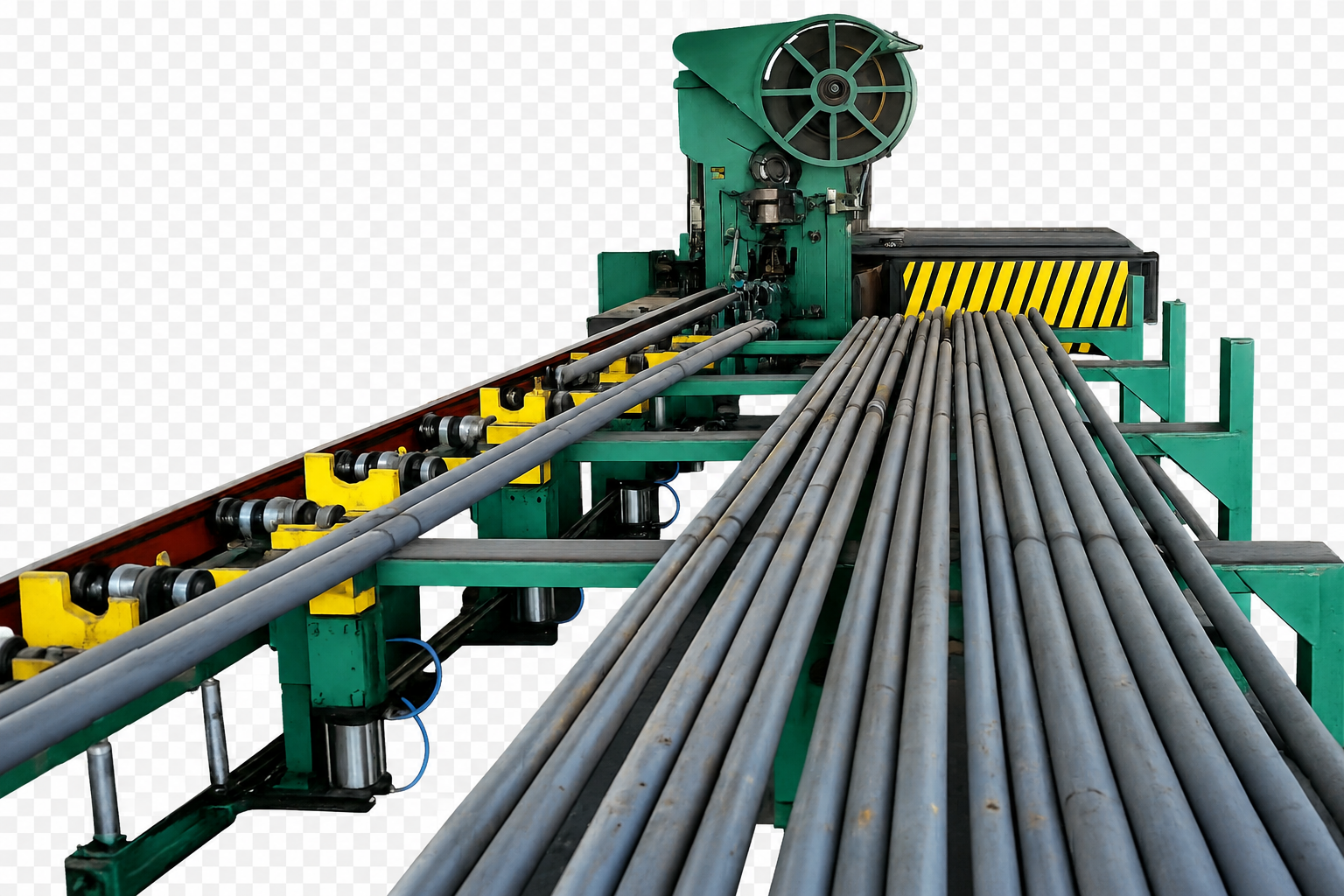
Billet Cutting & Bar Shearing Machines

Billet cutting machines and bar shearing machines prepare material before forging, helping improve billet accuracy, material use and production efficiency.

Billet Cutting Machine
A billet cutting machine is used to cut steel bars and billets before forging. It is suitable for closed die forging lines, billet preparation, material sizing and improving production consistency.
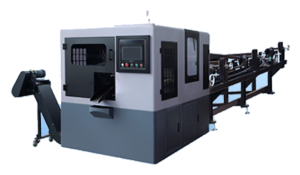
Fully automatic high speed metal circular saw webp
Fully Automatic High Speed Metal Circular Saw
A high speed metal circular saw is used for accurate cutting of metal bars and billets before forging. It supports efficient material preparation for hot forging, bar processing and industrial production lines.
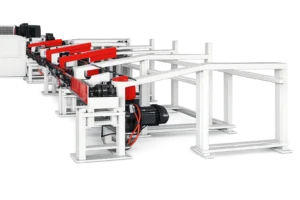
Precision Bar Shearing Machine Production Line webp
Bar Shearing Machine Production Line
A bar shearing machine production line is used for cutting steel bars into billets for forging. It is suitable for high-volume billet preparation, closed die forging production and automated material processing.
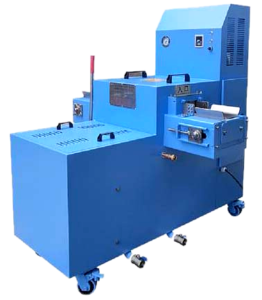
Descaling Machines & Scale Removal Equipment

Descaling machines and scale removal equipment remove oxide scale from heated billets before forging, helping improve surface quality, die protection and finished part consistency.

Fully automatic high speed metal circular saw
Descaling Machine
A descaling machine removes oxide scale from heated billets before forging. It helps improve forged surface quality, reduce die wear and prevent defects caused by scale during hot forging production.
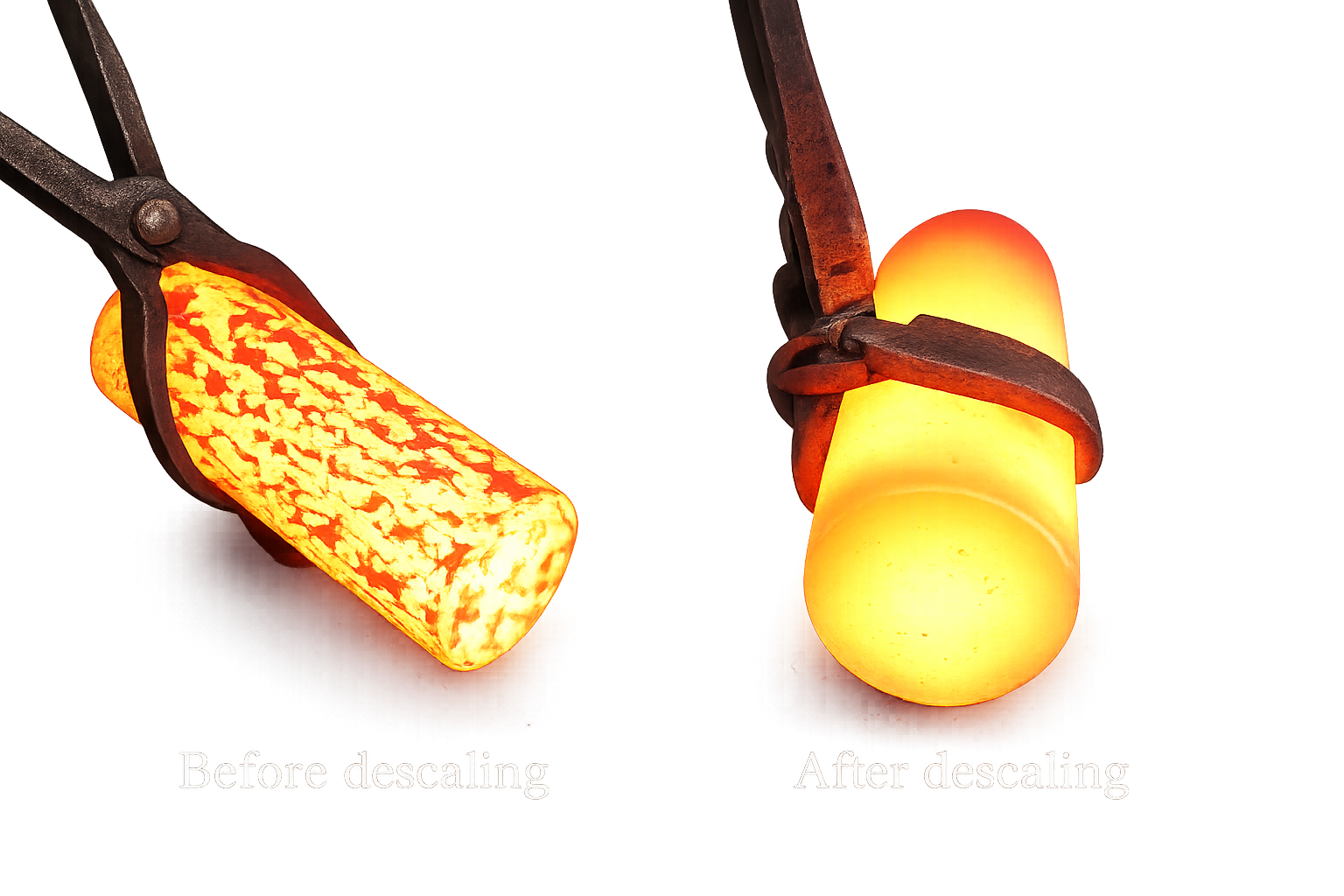
Scale Removal Device
A scale removal device removes scale from billet surfaces after heating and before forging. It is suitable for forging production lines where cleaner billets, better die protection and consistent finished parts are required.
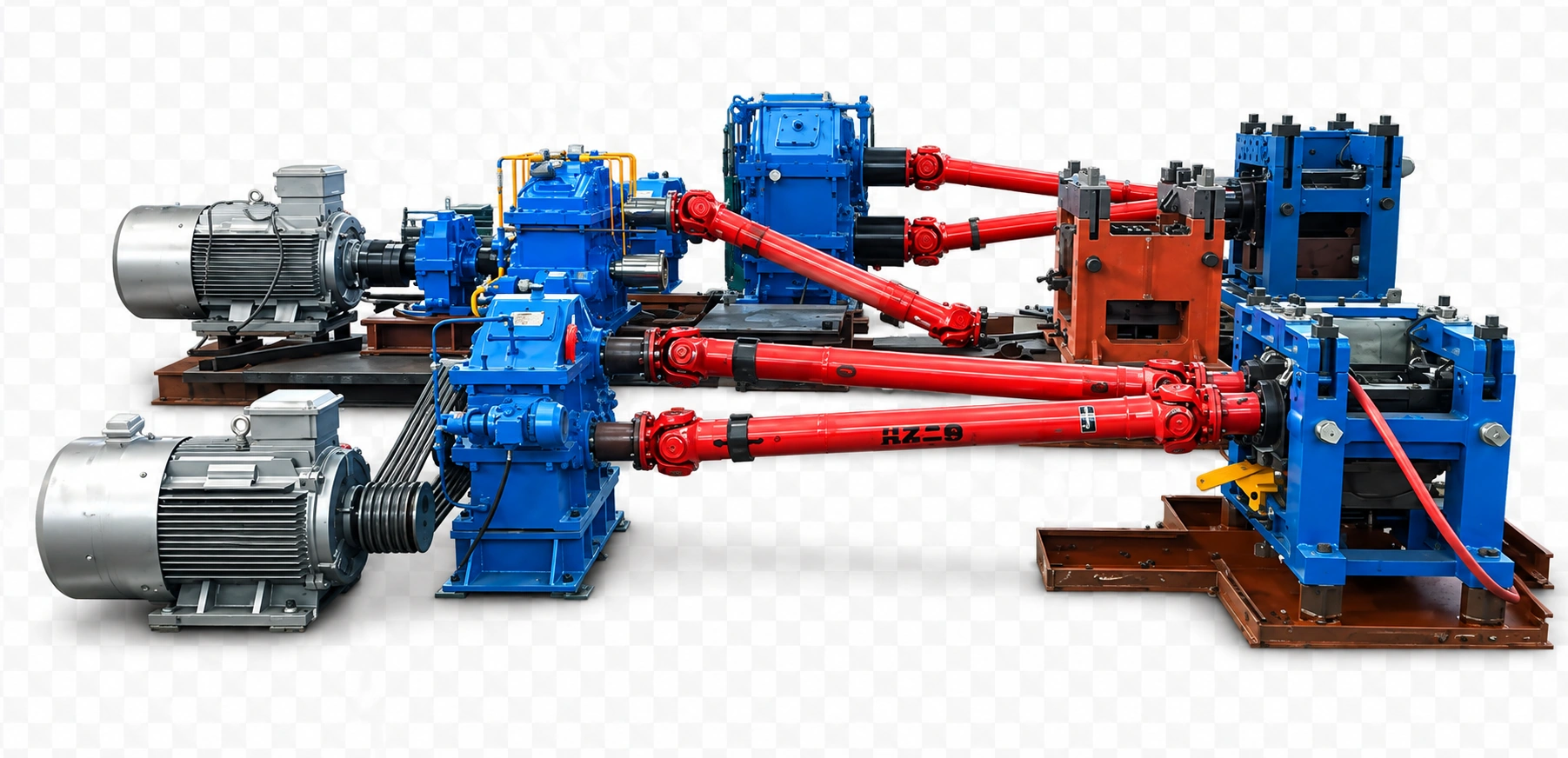
Steel Ball Machines

Steel ball machines produce forged steel balls for mining, cement, power stations and grinding media applications.

Skew rolling machine for grinding balls
Skew Rolling Machine for Grinding Balls
A skew rolling machine for grinding balls is used for automatic production of steel grinding balls. It is suitable for mining, cement, power stations and grinding media manufacturers needing efficient, stable and high-output ball production.
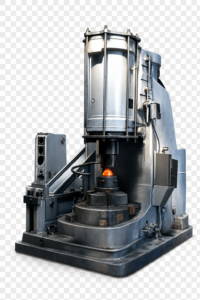
Pneumatic Forging Hammer Forge Balls
Pneumatic Forging Hammer for Forged Balls
A pneumatic forging hammer for forged balls is used to produce forged steel balls for grinding media applications. It is suitable for mining, metallurgical, cement and heavy industrial sectors requiring durable forged balls.
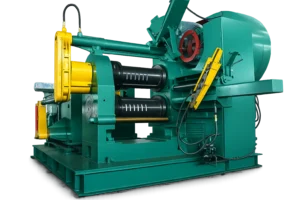
Roll Forging & Wedge Cross Rolling Machines

Roll forging machines and wedge cross rolling machines are used for efficient metal forming, preforming and high-output industrial forging applications.

Automatic Roll Forging Machine webp
Automatic Roll Forging Machine
An automatic roll forging machine is used for pre-forging and forming work before final forging. It is suitable for closed die forgings, production efficiency, material distribution and high-output forging lines.
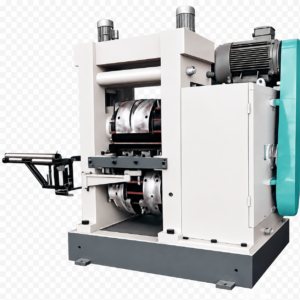
Cross wedge rolling machine
Wedge Cross Rolling Machine
A wedge cross rolling machine is used for rolling and forming shaft-type metal parts. It is suitable for high-efficiency production of stepped shafts, automotive parts, preforms and industrial metal forming applications.
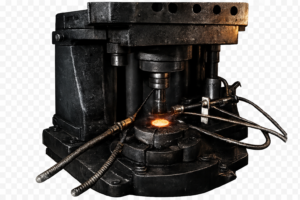
Forging Line Equipment

Complete forging line equipment may include hammers, presses, manipulators, billet cutting, descaling, loading systems and other supporting machinery.

Automatic Nut Production Line webp
Automatic Nut Production Line
An automatic nut production line is used for feeding, heating, conveying, forging and pressing nut blanks. It is suitable for efficient nut manufacturing and high-volume forging production lines.
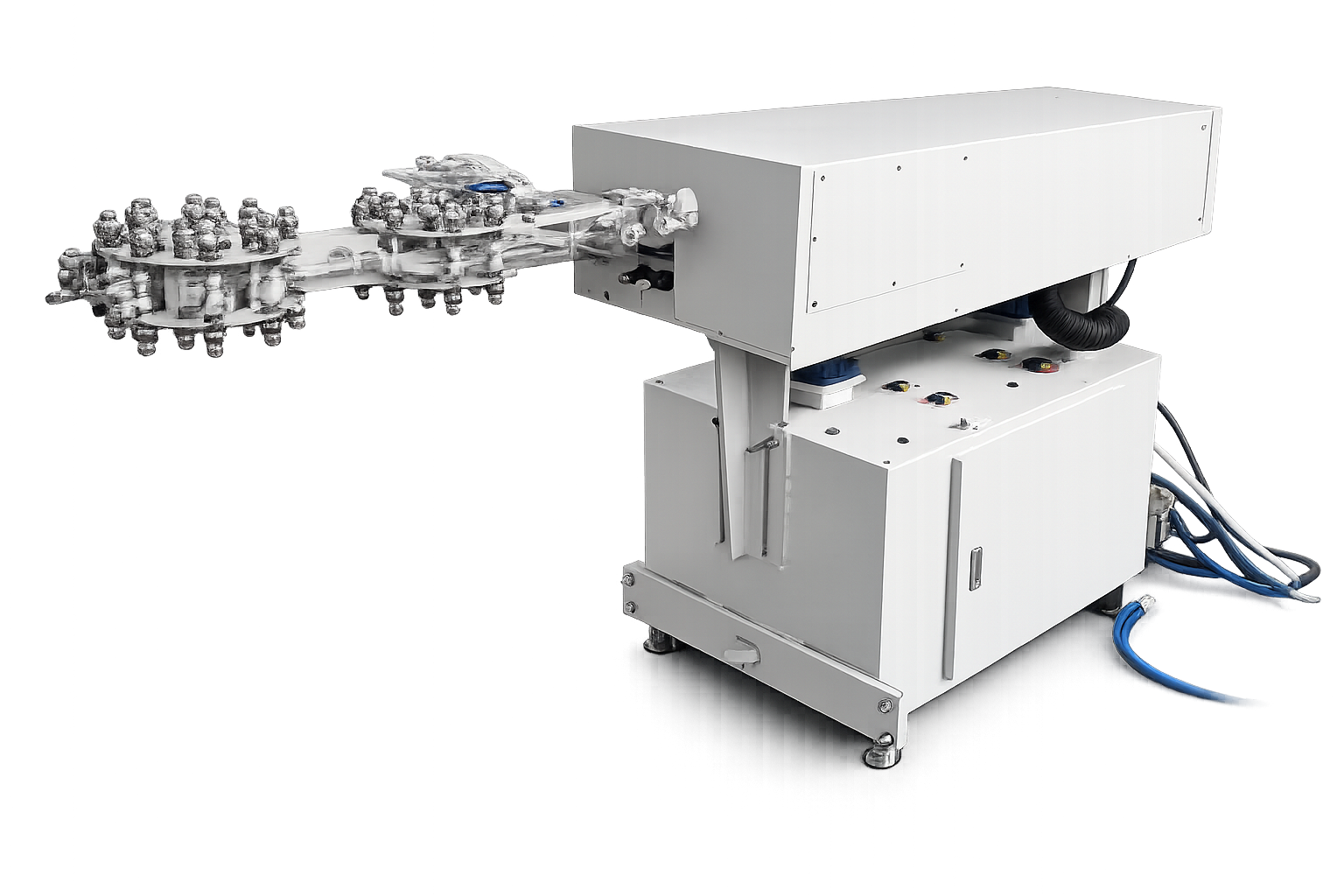
Automatic Spray Graphite Machine
An automatic spray graphite machine applies graphite lubricant during forging production. It helps improve die lubrication, reduce manual spraying, support operator safety and improve consistency in hot forging lines.
Multifunctional Prestress Insert Die Frame
A multifunctional prestress insert die frame supports forging die installation and production flexibility. It is suitable for screw presses, friction presses and high-energy forging press applications.
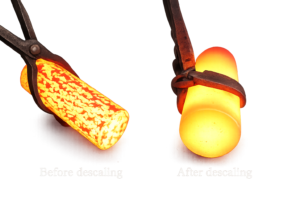
Scale Removal Device
A scale removal device is used in forging lines to remove oxide scale from heated billets before forming. It supports cleaner forging, improved surface finish and better die life.

First ever packaging machine questionnaire

Which machine do you need?

Take our quick questionnaire to discover which bagging machine fits your needs. For an exact match and pricing, a detailed quote will be required.

FAQ

What type of forging machinery do I need for my production?

The right forging machine depends on your material, part size, forging process, production volume, and required accuracy. For example, forging hammers are commonly used for impact forging, while forging presses are better suited for controlled pressure forming. If you are producing high-volume precision parts, CNC or automated forging equipment may be more suitable.

Can the machine be customized for my products?

Yes. Most forging machinery can be customized according to your workpiece size, material type, forging force, automation requirements, die design, production speed, and factory layout. Custom options may include different capacities, control systems, feeding systems, safety guards, and auxiliary equipment.

What materials can be processed with forging machinery?

Forging machinery is commonly used for carbon steel, alloy steel, stainless steel, aluminium, copper, brass, titanium, and other forgeable metals. The exact material suitability depends on the machine type, heating method, forming force, and die design.

What industries use forging machinery?

Forging machinery is widely used in automotive, aerospace, railway, mining, agriculture, construction machinery, oil and gas, hand tools, hardware, power transmission, fasteners, and industrial parts manufacturing. These machines are suitable for producing strong, durable metal components.

What information is needed to recommend the right machine?

To recommend the correct machine, it is helpful to know the material, finished part drawing, blank size, part weight, required production capacity, forging process, available factory space, and automation requirements. Photos or videos of your current production process can also help with machine selection.

Can the machinery be used for both hot forging and cold forging?

Some machines are designed mainly for hot forging, while others may be suitable for warm or cold forming depending on the process and material. The correct machine must be selected based on forming temperature, required force, die structure, and production requirements.

Do you provide complete forging production line solutions?

Yes. A complete forging production line can include heating equipment, forging machinery, manipulators, trimming presses, cooling systems, heat treatment equipment, automation systems, and tooling support. A full line can be designed based on your production process and factory layout.

What is the difference between a forging hammer and a forging press?

A forging hammer forms metal using repeated impact energy, making it suitable for many open die and impression die forging applications. A forging press applies steady and controlled pressure, which can provide better accuracy, consistency, and material flow control for certain forged parts.

How do I choose the correct machine capacity?

Machine capacity depends on the material strength, forging temperature, workpiece size, die contact area, part complexity, and required forming depth. Choosing a machine that is too small may cause incomplete forming, while an oversized machine may increase cost unnecessarily. A technical evaluation is usually recommended before purchase.

Can the machine improve production efficiency?

Yes. The right forging machinery can improve production speed, product consistency, material utilization, and operator safety. Automated feeding, CNC control, quick die change systems, and integrated production lines can further improve efficiency and reduce labor costs.

Is operator training provided?

Operator training can usually be provided for machine operation, safety procedures, daily maintenance, troubleshooting, and production process control. Proper training helps improve machine performance, reduce downtime, and extend equipment service life.

What maintenance is required for forging machinery?

Regular maintenance may include lubrication, hydraulic system inspection, electrical checks, fastener tightening, guide rail inspection, die area cleaning, and safety system testing. The exact maintenance schedule depends on the machine type, working environment, and production intensity.

How to Change my Photo from Admin Dashboard?

Far far away, behind the word mountains, far from the countries Vokalia and Consonantia, there live the blind texts. Separated they live in Bookmarksgrove right at the coast

How long is the service life of forging machinery?

With proper installation, operation, and maintenance, industrial forging machinery can have a long service life. The actual lifespan depends on machine quality, workload, maintenance frequency, spare parts availability, and operating conditions.

Do you provide spare parts and technical support?

Spare parts and technical support are important for long-term machine operation. Common support may include wearing parts, hydraulic components, electrical parts, remote troubleshooting, operation guidance, and maintenance advice.

Can the machine be installed in my existing factory?

In many cases, forging machinery can be installed in an existing factory, but the foundation, power supply, crane capacity, working space, ventilation, and production flow should be checked first. Some machines may require a special foundation or layout adjustment.

What should I consider before buying forging machinery?

Before buying forging machinery, consider your product type, production volume, material, required accuracy, budget, available space, power supply, labour level, automation needs, and future expansion plans. Choosing the right machine from the beginning can reduce production problems and long-term costs.

Can one machine produce different forged parts?

Yes, many forging machines can produce different parts by changing dies, tooling, process parameters, or auxiliary equipment. However, the range of parts depends on the machine capacity, working area, stroke, control system, and forming process.

How do I request a quotation?

To request a quotation, provide your product drawings, material details, part weight, production requirements, preferred machine type if known, and any automation needs. The more details you provide, the more accurate the machine recommendation and quotation will be.