Blue Pneumatic Forging Hammer

How to Choose the Right Pneumatic Forging Hammer

Choosing the right pneumatic forging hammer is important for forging quality, machine performance and long-term productivity.

Start With the Workpiece

The first step is to review the workpiece. The size, shape and weight of the forged part will influence the hammer capacity required. A small hand tool and a larger shaft will need different machine sizes.

Confirm the Material

The second step is to confirm the material. Carbon steel, alloy steel, stainless steel, aluminium alloy, copper and brass may require different forging temperatures and forming force.

Check Billet and Bar Size

The third step is to check the billet size, bar diameter or square stock size. The hammer must have enough capacity to form the material effectively.

Define the Forging Process

The fourth step is to define the forging process. Drawing-out, upsetting, bending, punching, chiselling, twisting and forge welding may require different tooling and operator control.

Review Production Output

Production volume is also important. A blacksmith workshop may need a smaller power hammer, while an industrial factory may require a larger hammer for daily production.

Consider Workshop Space

Workshop layout should also be considered, including foundation, machine footprint, operator access and material handling space.

Wiz Machinery can help you choose a suitable pneumatic power hammer after reviewing your material, workpiece dimensions and production requirement.

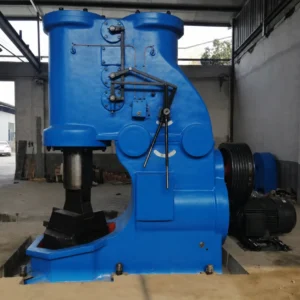
Contact us to learn how the Pneumatic Forging Hammer fits your industry.

Featured Thinking

How to Choose the Right Pneumatic Forging Hammer

Open Die Forging Press for Heavy Parts

Electric Screw Press vs Power Hammer