How to Choose a CNC Hydraulic Closed Die Forging Hammer
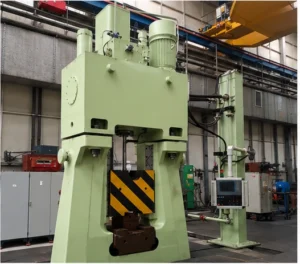
Choosing the right CNC hydraulic closed die forging hammer is important for forging quality, productivity and long-term machine performance. The correct machine depends on the forged part, material, billet size, die design and production target.
Start with the Forged Part
The part drawing is the first thing to check. Shape, size, weight and tolerance all affect the required hammer capacity and die design.
Check the Material
Different materials need different forging temperatures and forming conditions. Carbon steel, alloy steel, stainless steel, aluminium alloy, brass and copper may require different machine settings and line configurations.
Review Billet Size and Weight
Billet size affects blow energy, heating method and die filling. A larger or more difficult part may need a higher-capacity forging hammer.
Consider Production Output
Small-batch production may only need a standalone machine. Higher-output factories may need induction heating, robot loading, die lubrication, trimming and cooling equipment.
Plan for Automation
If automation is required, the full line layout should be planned before purchasing the hammer. This helps avoid handling problems later.
Contact us to learn how the CNC Hydraulic Closed Die Forging Hammer fits your industry.